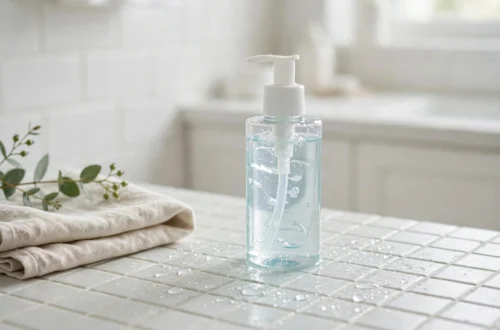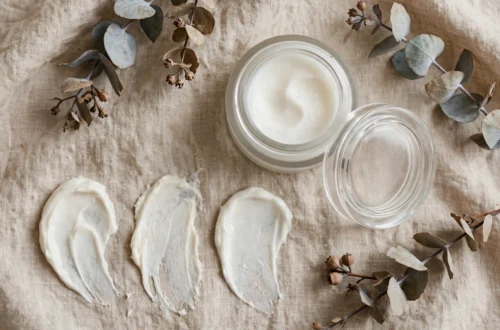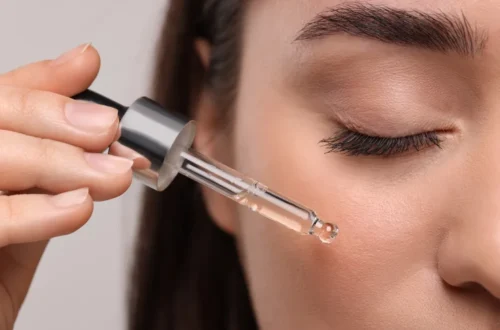
You can own the best serums and creams on the market and still see mediocre results if you apply them in the wrong order. Skincare layering is not just cosmetic fussiness. Products are formulated with different molecular weights and purposes, and applying a heavy cream before a watery serum can physically block the serum from ever reaching your skin. Learning how to layer skincare products correctly is one of the highest-impact, zero-cost upgrades you can make to your routine.
The good news is that the logic is simple and the same rules apply whether your routine has three steps or ten. This guide walks you through the correct layering order for both morning and night, how long to wait between steps, the mistakes that quietly sabotage results, and how to handle active ingredients without irritation. Healthline’s detailed guide to morning and night skincare steps is another solid reference if you want a second opinion on routine order.
Why the Order of Your Skincare Routine Matters
Every product you apply sits on the skin in the order it was applied. Lightweight, water-based formulas absorb quickly and deliver actives to the skin. Heavier, oil-based formulas form a seal on top. If you reverse that, the occlusive layer from a rich cream or oil will sit between your serum and your skin, and the serum’s active ingredients will largely stay trapped on the surface.
Order also affects irritation. Applying a strong active like retinol directly to freshly exfoliated skin, with nothing buffering it, increases the chance of redness and peeling. Correct layering spaces things out so each product can do its job without fighting the others.
Think of it as dressing for the weather: the base layer goes against the skin, and the waterproof shell goes on last. Skincare works the same way.
The Golden Rule: Thinnest to Thickest
The single rule that covers almost every layering decision is this: apply products from thinnest to thickest consistency. Watery toners and essences first, then serums, then lotions and creams, then oils, then sunscreen in the morning.
There are two small exceptions worth knowing:
- Spot treatments go on clean skin before anything else, so the medication contacts the blemish directly.
- Sunscreen always goes last in a morning routine (before makeup), because it needs to form an even film on the skin’s surface.
Everything else follows the thinnest-to-thickest logic. If you are ever unsure about a product, look at its texture. A runny liquid goes early; a balm or thick cream goes late.

Morning Skincare Layering Order
Morning routines are about protection: defending your skin against UV, pollution, and environmental stress for the day ahead.
Step 1: Cleanser
Start with a gentle cleanser to remove overnight oil and sweat. If your skin is dry, a splash of lukewarm water is enough. Oily skin types usually benefit from a proper morning cleanse.
Step 2: Toner or Essence
Apply to slightly damp skin. Hydrating toners give the rest of your routine a water base to build on, which helps humectant ingredients work better.
Step 3: Serums
This is where your treatment actives live. In the morning, antioxidant serums like vitamin C are the classic choice. Pat a few drops over the face and neck. If you use more than one serum, apply the thinner one first.
Step 4: Eye Cream
Use your ring finger to dab a small amount around the orbital bone. Eye cream goes before moisturizer so it is not blocked by a heavier cream.
Step 5: Moisturizer
Seal everything in. A moisturizer that supports your barrier makes the whole routine work better; if you want to understand why, read about the benefits of a ceramide moisturizer for a stronger skin barrier. Choose a texture that suits your skin type: gel for oily, lotion for normal and combination, cream for dry.
Step 6: Sunscreen
The non-negotiable final step. Use a broad-spectrum sunscreen and apply it generously as the last skincare layer.
Nighttime Skincare Layering Order
Night is repair time. This is when you use your stronger actives, because sun sensitivity is not a concern and your skin’s repair processes are most active while you sleep.
1. Makeup remover or oil cleanser: dissolves makeup and sunscreen. Massage and rinse.
2. Water-based cleanser: the second cleanse removes what the oil cleanse loosened.
3. Exfoliant (2-3 times per week): chemical exfoliants go here, before other treatments. Never layer strong exfoliants on the same night as retinoids when starting out.
4. Toner or hydrating mist: rehydrates after cleansing.
5. Serums and treatments: retinoids, niacinamide, hyaluronic acid, or whatever your concerns call for. One strong active per routine is plenty for most people.
6. Eye cream: same as the morning.
7. Moisturizer: a slightly richer formula than your daytime one is fine here.
8. Facial oil (optional): the final seal for dry skin types. Oils always go after moisturizer, never before.
Skip the sunscreen at night, obviously. And if your routine feels like too many steps, remember that a cleanser, a treatment, and a moisturizer done consistently will outperform a ten-step routine done sporadically.
How Long to Wait Between Layers
You do not need to set a timer, but a little patience improves absorption:
- Between watery layers (toner to serum): 30 to 60 seconds is enough. Apply the next product while skin is still slightly damp.
- Before sunscreen: let your moisturizer settle for a minute or two so the sunscreen forms an even film rather than mixing into wet cream.
- Before strong actives: if your skin is sensitive, wait until your face is fully dry before applying retinoids. Applying retinoids to damp skin increases penetration and, with it, irritation.
- Between conflicting actives: do not stack them back to back. Either separate them by several minutes or use them on alternate nights.
The practical test: if a product pills or balls up when you apply the next one, you either applied too much or moved on too fast. Use less product and give each layer a moment.
Common Layering Mistakes to Avoid
- Cream before serum: the most common error. Heavy formulas block lighter ones from absorbing.
- Oil before moisturizer: facial oils are occlusive and seal whatever is underneath. Moisturizer first, oil last.
- Sunscreen under other products: sunscreen must be the final skincare layer to form its protective film.
- Mixing everything in your palm: layering products one at a time is more effective than cocktailing, which can destabilize formulas.
- Applying actives to soaking-wet skin: increases penetration and irritation risk, especially with acids and retinoids.
- Too many actives in one routine: vitamin C plus exfoliating acids plus retinol in a single night is asking for a compromised barrier. Rotate instead.
- Skipping the wait after exfoliation: give exfoliants a few minutes before following with other treatments.
How to Layer Active Ingredients Safely
Actives are where layering gets tricky, because some combinations genuinely do not get along:
- Vitamin C + sunscreen (morning): a great pairing. Vitamin C goes on clean skin, then moisturizer, then sunscreen.
- Retinoids (night only): apply after cleansing and toning, before moisturizer. If you are new to retinoids, the “sandwich method” (moisturizer, then retinoid, then moisturizer) reduces irritation.
- AHAs/BHAs + retinoids: use on alternate nights rather than layering, at least until your skin is well accustomed.
- Niacinamide + vitamin C: modern formulations of these two are generally fine together, despite the old myth. Apply the thinner formula first.
- Benzoyl peroxide + retinoids: keep these apart. Benzoyl peroxide in the morning, retinoid at night, or on alternate nights.
When in doubt, the conservative approach wins: one active per routine, introduced slowly, with a barrier-supporting moisturizer as your safety net.
Frequently Asked Questions
Does the order of skincare products really make a difference?
Yes. Lighter, water-based products need direct contact with the skin to absorb, and heavier creams and oils form a seal that blocks them. Applying products from thinnest to thickest ensures each layer can actually reach your skin instead of sitting on top of the previous one.
Should I wait between applying each skincare product?
A short pause helps. Give watery layers about 30 to 60 seconds, let moisturizer settle for a minute or two before sunscreen, and apply retinoids to fully dry skin to control irritation. You do not need long waits; just avoid rushing straight from one layer to the next.
Where does sunscreen go in the layering order?
Always last in your morning skincare routine, after moisturizer and before makeup. Sunscreen needs to form an even film on the skin’s surface to protect properly, and applying products over it can dilute or disrupt that film.
Can I layer vitamin C and retinol together?
It is better not to use them in the same routine. Vitamin C works best in the morning under sunscreen, while retinoids belong in the nighttime routine. Splitting them this way also reduces the risk of irritation from stacking two potent actives.
What is the correct order if I only use three products?
Keep it simple: cleanser, then serum (if you use one), then moisturizer, with sunscreen added in the morning. That three-step core, done consistently, covers cleansing, treatment, and protection, which is what most skin actually needs. A good moisturizer seals everything in — see the benefits of a ceramide moisturizer for a stronger skin barrier for why barrier support matters at this step.