Ask dermatologists to name one skincare ingredient worth the hype, and vitamin C comes up again and again. This powerhouse antioxidant brightens dull skin, helps fade dark spots, supports collagen, and defends against the environmental damage that accelerates aging. But walk down any skincare aisle and you will find dozens of vitamin C serums making big promises, which raises the real question: what do dermatologists actually recommend you look for?
This guide breaks down how vitamin C works, the formulation features dermatologists prioritize, how to choose the right serum for your skin type, and how to use it correctly. Instead of a hype-driven ranking, you will get the criteria professionals use, so you can evaluate any product on the shelf with confidence.
Why Dermatologists Recommend Vitamin C
Vitamin C, also known as ascorbic acid, is one of the most studied topical antioxidants in dermatology. Its benefits are well documented across decades of research, which is why it has staying power while trendier ingredients come and go.
First, vitamin C neutralizes free radicals, the unstable molecules generated by UV exposure and pollution that break down collagen and accelerate visible aging. Applied in the morning under sunscreen, it acts as a second layer of daytime defense. Second, it interferes with excess melanin production, which helps fade dark spots and post-acne marks and brightens overall tone. Third, it plays a role in collagen synthesis, supporting the firmness and elasticity that keep skin looking youthful.
Importantly, dermatologists value vitamin C because it is versatile. It suits most skin types, layers well with moisturizer and sunscreen, and delivers visible brightening relatively quickly compared to slower-acting ingredients. For anyone building an evidence-based routine, it is one of the easiest high-impact additions.
What Dermatologists Look for in a Vitamin C Serum
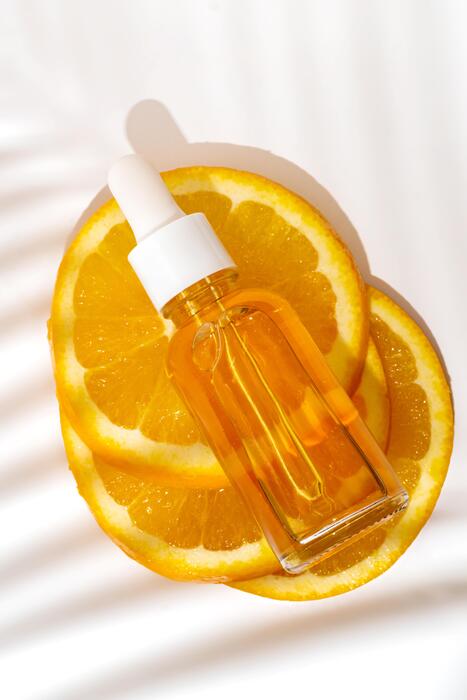
When dermatologists recommend a vitamin C serum, they are usually recommending a type of formulation rather than a single brand. Here are the features professionals consistently prioritize.
The Right Form and Concentration
L-ascorbic acid is the most researched and potent form of topical vitamin C. Dermatologists commonly suggest looking for concentrations in the range of 10 to 20 percent, which studies have associated with meaningful antioxidant and brightening effects. Below that range, results may be modest; far above it, irritation risk climbs without clear added benefit. If your skin is sensitive or you are new to vitamin C, starting at the lower end of that range is the wiser move.
Other derivatives, such as sodium ascorbyl phosphate or ascorbyl glucoside, are gentler and more stable, making them reasonable options for sensitive skin, though they are generally considered less potent than L-ascorbic acid.
Supportive Antioxidant Combinations
One of the most dermatologist-endorsed formulation strategies is combining vitamin C with vitamin E and ferulic acid. Research has shown that this trio works synergistically, with each antioxidant stabilizing and boosting the others, providing stronger protection than vitamin C alone. When you see these three on an ingredient list together, it is a sign the formula was designed with the science in mind.
Packaging That Protects Potency
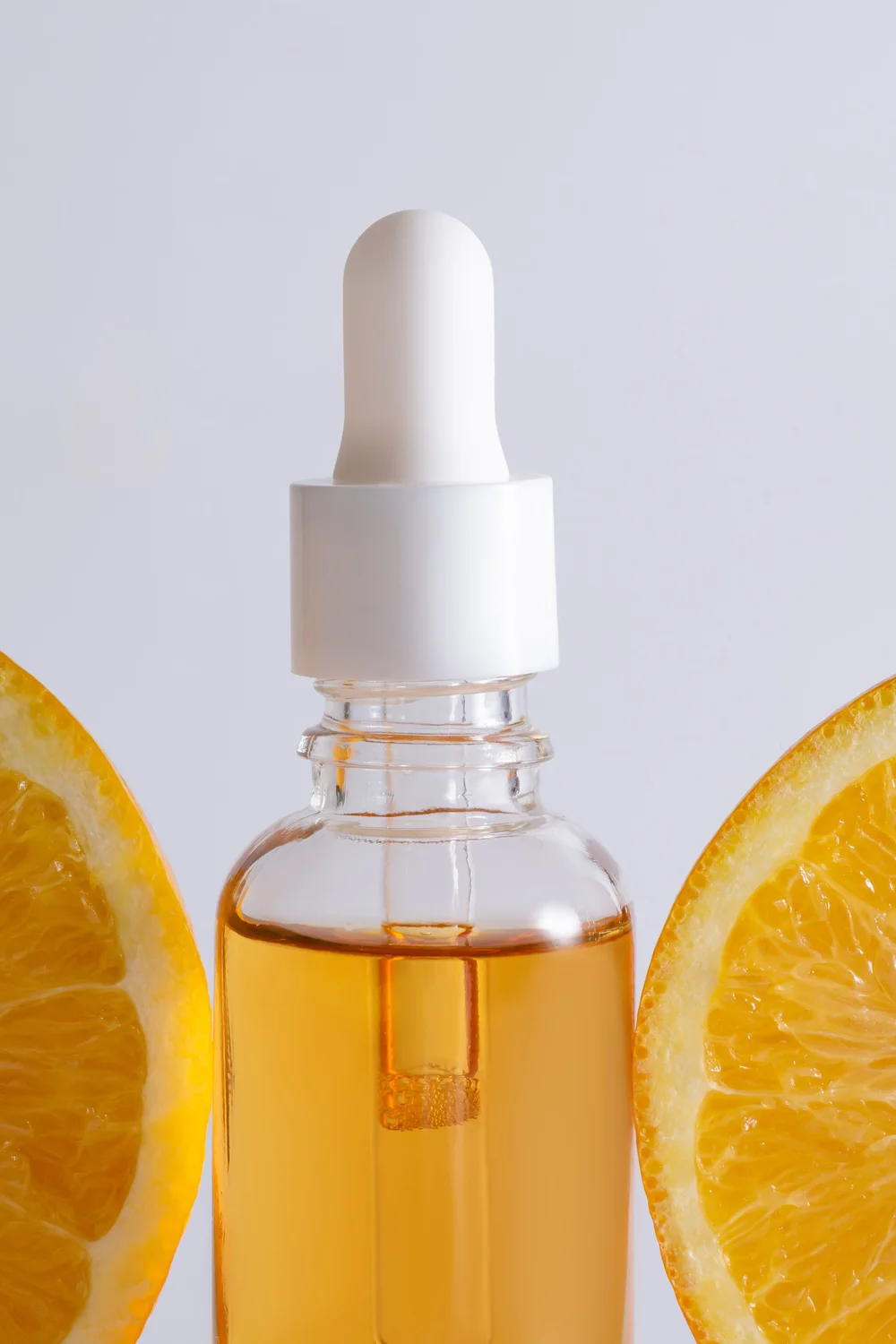
Vitamin C is notoriously unstable: light, air, and heat degrade it, turning the serum yellow or brown and reducing its effectiveness. Dermatologists advise choosing serums in opaque, air-restrictive packaging, such as dark glass bottles with droppers or airless pumps, and storing them in a cool, dark place. If a serum arrives already dark orange or brown, its vitamin C has likely oxidized and it is time for a fresh bottle.
A Skin-Friendly Base Formula
The supporting ingredients matter too. Look for hydrating and soothing components like hyaluronic acid, glycerin, or vitamin E, and be cautious with formulas heavy on fragrance or drying alcohols, especially if your skin is reactive. A well-formulated serum should feel comfortable on application, not sting or burn.
Match to Your Skin Type
- Oily or acne-prone skin: lightweight, water-based serums absorb cleanly without adding heaviness.
- Dry skin: slightly richer formulas, or layering the serum under a good moisturizer, prevent tightness.
- Sensitive skin: lower concentrations or gentler derivatives, introduced gradually, reduce the chance of irritation.
- Mature skin: the classic L-ascorbic acid plus vitamin E and ferulic acid combination targets multiple signs of aging at once.
How to Use Vitamin C Serum Correctly
Even the best formula underperforms if applied incorrectly. Follow this morning routine order:
- Cleanse gently to remove overnight oil and residue.
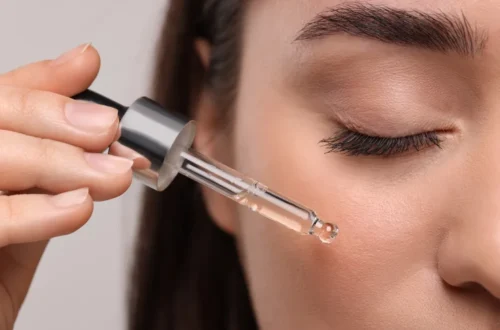
- Apply vitamin C serum to dry skin, using a few drops pressed over the face and neck. Let it absorb for a minute.
- Follow with moisturizer to seal in hydration.
- Finish with broad-spectrum sunscreen of SPF 30 or higher. This step is essential: vitamin C boosts your sun protection, but it does not replace sunscreen.
Use vitamin C once daily in the morning for the best results. If you use strong actives like retinoids or exfoliating acids, keep those in your evening routine to avoid layering conflicts. A structured evening method like our complete beginner’s guide to skin cycling pairs especially well with a morning vitamin C step. For broader, authoritative guidance on building a routine around proven ingredients, the American Academy of Dermatology is a trustworthy resource.
Common Vitamin C Mistakes to Avoid
- Using an oxidized serum: a dark brown color means the vitamin C has degraded; replace the bottle.
- Mixing with strong acids or retinoids: layering everything at once increases irritation; separate them between morning and night.
- Skipping sunscreen: without SPF, you lose much of the protective benefit vitamin C provides.
- Starting too strong: jumping straight to a high concentration on sensitive skin often backfires; build up gradually.
- Expecting instant transformation: brightening typically becomes visible after several weeks of consistent daily use.
- Storing it badly: heat and sunlight on the bathroom counter shorten a serum’s effective life considerably.
How to Tell If Your Serum Is Working
With consistent use, most people notice a brighter, more even complexion within four to eight weeks. Dark spots and post-acne marks gradually fade, skin looks more radiant, and makeup tends to sit better on smoother-feeling skin. Take a photo in consistent lighting every couple of weeks; gradual changes are easy to miss day to day but obvious in comparison shots. If you see no change after three months of proper use and storage, the formula may be too weak, oxidized, or simply not the right match for your skin.
Frequently Asked Questions
What concentration of vitamin C do dermatologists recommend?
Dermatologists most often point to serums with 10 to 20 percent L-ascorbic acid, the range best supported by research for visible brightening and antioxidant protection. Sensitive skin types usually do better starting at the lower end or with a gentler vitamin C derivative.
Should I use vitamin C in the morning or at night?
Morning is the standard recommendation, because vitamin C’s antioxidant protection complements sunscreen during the hours your skin faces UV and pollution. Nighttime use is fine too, but avoid layering it directly with retinoids or strong exfoliating acids in the same routine.
Can vitamin C be used with retinol?
Yes, but not at the same time. Use vitamin C in the morning and retinol at night. This separation gives you the benefits of both without the irritation that comes from stacking potent actives together.
Why did my vitamin C serum turn brown?
Browning means the vitamin C has oxidized after exposure to light, air, or heat. An oxidized serum is less effective and can even irritate skin. Store serums in cool, dark places, close them promptly, and replace bottles that have turned dark.
Is vitamin C good for acne-prone skin?
It can be, particularly for fading the dark marks that linger after breakouts. Choose a lightweight, non-comedogenic formula and introduce it gradually. If you have active, inflamed acne, calm the breakouts first before adding new actives.
How long does a bottle of vitamin C serum last?
Once opened, most vitamin C serums stay potent for about one to three months depending on the formula and storage. Buying smaller bottles you can finish while fresh is often smarter than stocking a large one that oxidizes halfway through.
Final Thoughts
The best vitamin C serum recommended by dermatologists is not a single miracle product; it is any well-formulated serum that matches the criteria professionals actually use: an effective concentration of L-ascorbic acid, ideally paired with vitamin E and ferulic acid, in protective packaging, suited to your skin type, and used consistently every morning under sunscreen.
Armed with these standards, you can cut through marketing noise and choose with confidence. Pick a formula that fits, store it well, give it time, and let one of dermatology’s most trusted ingredients do its quiet, steady work.