
If your forehead looks shiny an hour after washing your face, or your makeup seems to slide off by lunchtime, you probably have oily skin. It is one of the most common skin types, and while extra oil can clog pores and trigger breakouts, the fix is rarely to scrub harder or wash more. The real starting point is choosing the right face wash for oily skin — one that removes excess sebum without stripping your skin dry.
Finding the best face wash for oily skin is less about brand names and more about understanding what your skin actually needs. A cleanser that is too harsh can irritate your skin and trigger even more oil production, while one that is too mild may leave behind residue that clogs pores. This guide breaks down what to look for, which ingredients help, which ones to avoid, and how to wash your face the right way so your skin stays balanced and clear.
Why the Right Face Wash Matters for Oily Skin
Your skin produces sebum, a natural oil that keeps it moisturized and protected. When your oil glands are overactive — often due to genetics, hormones, humidity, or stress — sebum builds up on the surface, mixes with dead skin cells, and can clog pores. That is the chain of events behind blackheads, whiteheads, and acne breakouts.
A well-chosen cleanser interrupts this cycle. It dissolves excess oil, lifts away dirt, sweat, and leftover sunscreen or makeup, and leaves your pores clean so the rest of your skincare can actually absorb. But cleansing is a balancing act: dermatologists at the American Academy of Dermatology advise washing twice a day with a gentle cleanser rather than relying on aggressive scrubbing, because over-cleansing can inflame the skin and prompt it to produce even more oil in response.
The goal is skin that feels clean and fresh after washing — not tight, squeaky, or itchy. That tight feeling is actually a warning sign that your cleanser is too strong for your skin barrier.
What to Look for in a Face Wash for Oily Skin
Not every cleanser works for oily skin. Here are the features that matter most when you compare options:
- Foaming or gel texture. Foam and gel cleansers are generally better at cutting through excess oil than thick cream or milky cleansers. They rinse cleanly and leave less residue behind.
- Labeled “oil-free” and “non-comedogenic.” Non-comedogenic means the product is formulated not to clog pores — exactly what oily, breakout-prone skin needs. Check labels on every product that touches your face, including moisturizer and sunscreen.
- Gentle, not harsh. Many people assume oily skin needs a strong, drying wash. In reality, harsh cleansers strip the skin barrier and trigger rebound oil production. Look for mild surfactants and a formula that feels comfortable.
- Targeted active ingredients. Cleansers containing salicylic acid or benzoyl peroxide can help keep pores clear and manage breakouts. Niacinamide (vitamin B3) is another helpful ingredient that supports the skin barrier and can improve the appearance of enlarged pores.
- A balanced pH. Cleansers close to your skin’s natural slightly acidic pH are less likely to disrupt the skin barrier than strongly alkaline soaps.
Face Wash Types That Work Well for Oily Skin
Cleansers come in several formulas, and each has a slightly different feel and function. Here is how the main types compare for oily skin:
Foaming cleansers
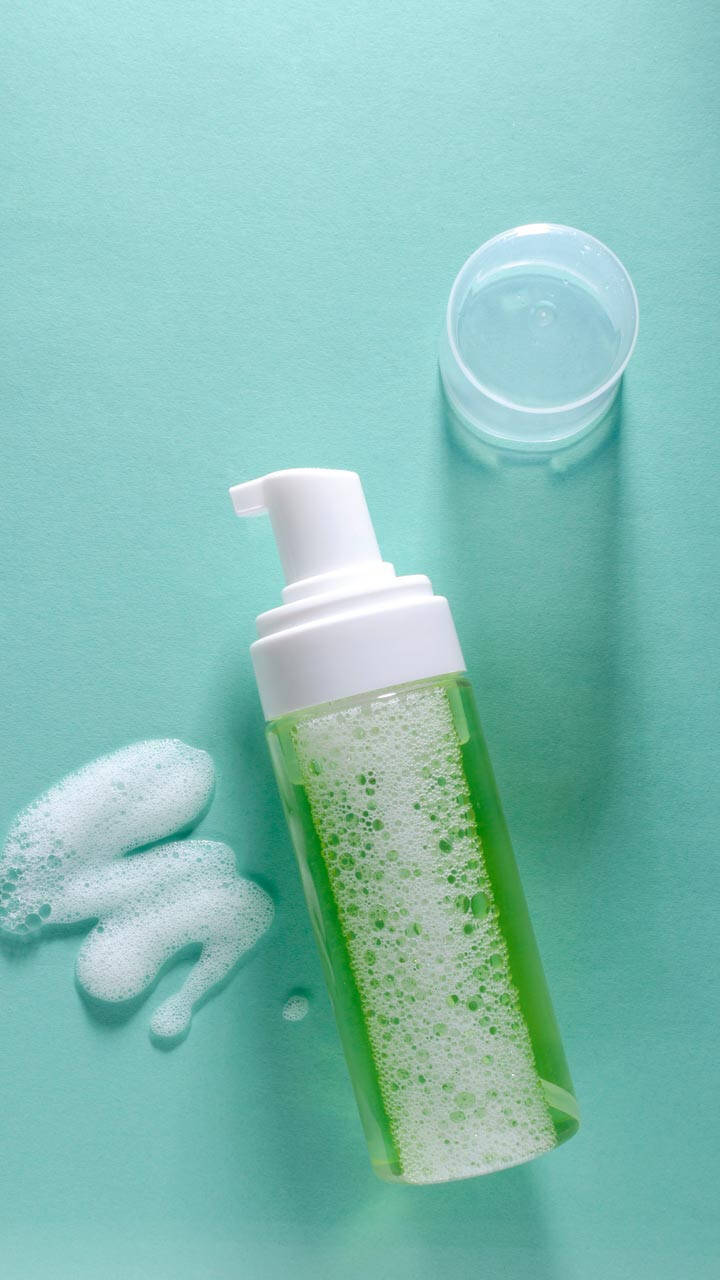
These are the most popular choice for oily skin, and for good reason. They lather into a light foam that dissolves oil and sweat efficiently, then rinse away cleanly. If your skin feels shiny or congested by midday, a foaming cleanser used morning and evening is a solid starting point.
Gel cleansers
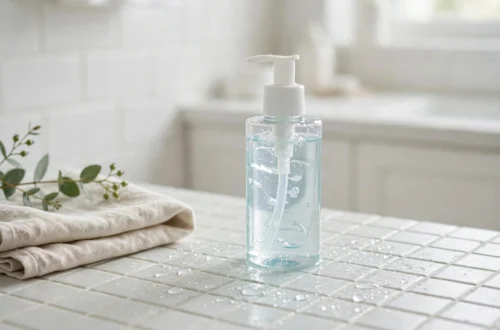
Gel formulas start as a clear gel and often produce a mild lather. They tend to be slightly gentler than heavy foaming cleansers while still handling excess oil well. They are a good middle ground if foaming washes leave your skin feeling a little too tight.
Clay-based or charcoal cleansers
Some cleansers include kaolin clay or charcoal, which can help absorb surface oil and give pores a deep-clean feel. These are usually best used a few times a week rather than daily, since they can be more drying with constant use.
Medicated acne cleansers
Cleansers with salicylic acid, benzoyl peroxide, or sulfur are aimed at breakouts as well as oil. They can be very effective, but start slowly — especially with benzoyl peroxide — and follow with moisturizer, because these ingredients can dry out the skin if overused.
What to avoid
Creamy, oil-based, and heavily fragranced cleansers are generally a poor match for oily skin. Alcohol-heavy formulas can also irritate and dehydrate the surface, which paradoxically makes the skin look oilier. If a cleanser leaves a film on your skin after rinsing, it is probably not the right one for you.
Ingredients That Help (and Ones to Skip)
Reading the ingredient list is the fastest way to judge a face wash for oily skin. Here are the ingredients worth seeking out — and the ones better left on the shelf.
Helpful ingredients:
- Salicylic acid — an oil-soluble exfoliant that gets inside pores and helps keep them clear of the oil-and-dead-skin plugs that cause blackheads.
- Niacinamide — helps regulate the look of oiliness, supports the skin barrier, and can reduce the appearance of pores.
- Zinc — often included for its oil-absorbing and soothing properties.
- Green tea extract — an antioxidant that some studies associate with calming sebum-heavy skin.
- Glycerin and hyaluronic acid — lightweight hydrators that keep skin comfortable without adding oil.
Ingredients to skip:
- Harsh sulfates in high concentrations — can strip the skin and cause rebound oiliness.
- Heavy oils and waxes (like coconut oil or cocoa butter in leave-on products) — can clog pores.
- Strong fragrances and alcohol denat. — common irritants, especially in acne-prone skin.
How to Wash Your Face the Right Way
Even the best face wash for oily skin will not help if your technique works against you. Follow these steps for the best results:
1. Wash twice a day — once in the morning and once at night. Add a third wash after heavy exercise or sweating.
2. Start with clean hands. Your hands pick up bacteria and oil all day; wash them before they touch your face.
3. Use lukewarm water. Hot water strips natural oils too aggressively, while cold water does not dissolve oil well.
4. Massage for about 30 to 60 seconds. Use your fingertips in gentle circles. Let the cleanser do the work — scrubbing irritates the skin and can make oiliness and breakouts worse.
5. Rinse thoroughly. Residue left behind can clog pores, so rinse until the water runs clear and your skin feels clean but not tight.
6. Pat dry, don’t rub. Use a clean towel and press gently. Rubbing can irritate the skin.
7. Moisturize right after. Yes, even oily skin needs moisturizer. Skipping it can leave your skin dehydrated, which often leads to even more oil production. Choose a lightweight, oil-free, non-comedogenic moisturizer.
Common Mistakes That Make Oily Skin Worse
- Over-washing. Washing more than three times a day can damage your skin barrier and increase oil production.
- Using bar soap or body wash on your face. These are typically more alkaline and more drying than facial cleansers.
- Skipping sunscreen. Sun damage worsens skin texture and can darken acne marks. Look for oil-free sunscreens that contain zinc oxide or titanium dioxide.
- Touching your face during the day. Your hands transfer oil, dirt, and bacteria to your skin. Blotting papers are a better way to manage midday shine.
- Sleeping in makeup. Always remove makeup before bed — even “non-comedogenic” products can clog pores if left on overnight.
- Expecting instant results. Give any new cleanser two to four weeks before judging it. Skin needs time to adjust.
Building a Simple Routine Around Your Cleanser
A cleanser is only one piece of the puzzle. For oily skin, a simple routine usually outperforms a complicated one. After cleansing, apply a lightweight moisturizer, and in the morning, finish with an oil-free sunscreen. If you deal with breakouts, you can add a targeted treatment with salicylic acid or benzoyl peroxide in the evening — but introduce new products one at a time so you can tell what is working.
If you want a fuller breakdown of the habits that keep skin clear beyond cleansing, check out our guide on how to get clear skin, which covers the rest of a balanced routine in detail.
Frequently Asked Questions
Should I wash my face more than twice a day if my skin is oily?
For most people, twice a day plus after sweating is enough. Washing more often can irritate your skin and trigger extra oil production. If you get shiny midday, press blotting papers against your skin instead of washing again.
Is a foaming face wash better than a gel one for oily skin?
Both can work well. Foaming cleansers tend to cut through oil more aggressively, while gel cleansers are often a bit gentler. If foaming washes leave your skin tight or irritated, try switching to a gentle gel formula.
Do I really need moisturizer if my skin is already oily?
Yes. Oily skin still loses water, and skipping moisturizer can leave it dehydrated — which often causes the oil glands to work even harder. Choose a lightweight, oil-free, non-comedogenic moisturizer instead of skipping the step entirely.
How long should I try a new face wash before deciding it works?
Give it at least two to four weeks of consistent use. Mild irritation in the first few days can settle, but if you develop burning, persistent redness, or new breakouts that worsen, stop using the product and try a gentler formula.
The bottom line: the best face wash for oily skin is a gentle, foaming or gel cleanser labeled oil-free and non-comedogenic, used twice daily with proper technique. Pair it with a lightweight moisturizer and daily sunscreen, avoid harsh scrubbing and over-washing, and give your skin time to respond. Consistency with the right basics beats an aggressive routine every time.





One comment on “Best Face Wash for Oily Skin: How to Choose a Gentle, Non-Comedogenic Cleanser”