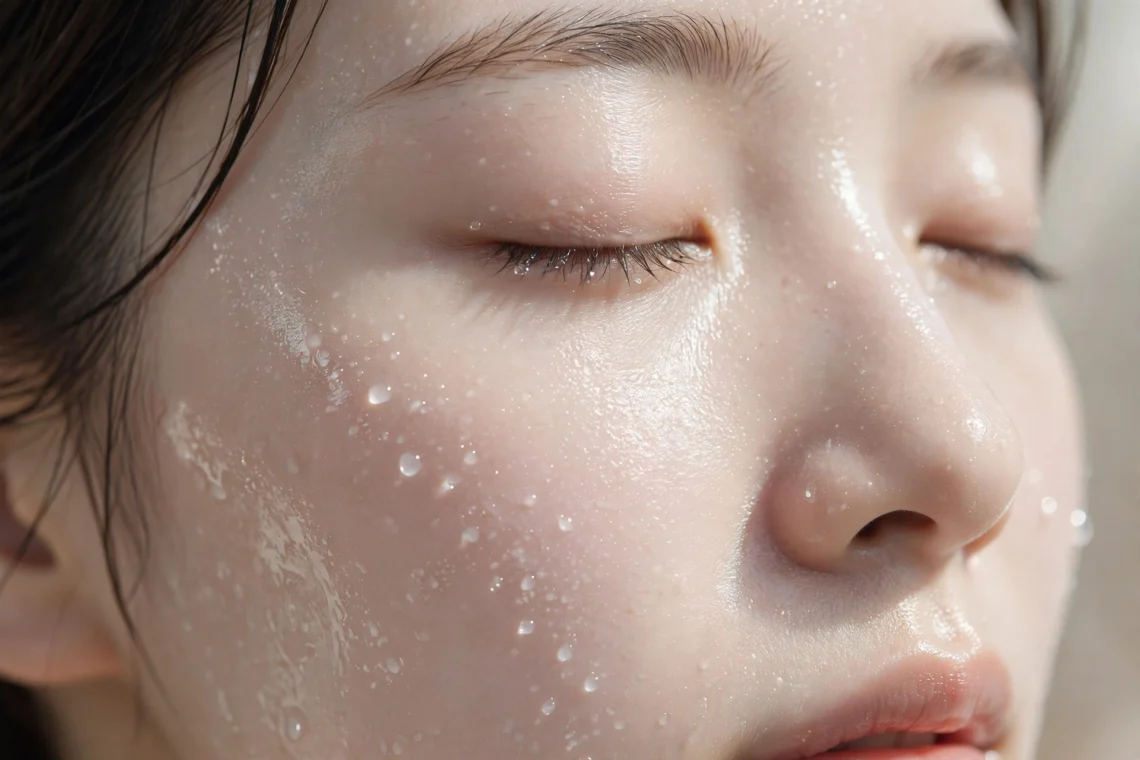
Glass skin is the Korean beauty ideal that broke the internet: a complexion so smooth, clear, and intensely hydrated that it reflects light like a pane of glass. It is not about heavy highlighter or Instagram filters. As K-beauty experts describe it, glass skin is simply skin at its very healthiest — poreless-looking, luminous, and translucent from within.
The good news is that glass skin is not reserved for people with perfect genes. It is the result of a consistent, layered skincare routine built around deep hydration, gentle exfoliation, and barrier protection. This guide walks you through exactly how to get glass skin, step by step, with the key ingredients and habits that make the difference.
What Is Glass Skin?
The term “glass skin” was popularized by Korean beauty experts to describe skin that looks almost transparent in its clarity — smooth enough to reflect light evenly, hydrated enough to look plump and bouncy, and even-toned enough to need little or no foundation.
Importantly, glass skin is not an overnight makeover. It reflects a holistic approach: a multi-step routine, healthy lifestyle habits, and patience. As Healthline’s guide to achieving glass skin explains, the luminous appearance comes from within — it requires dedication to a skincare regimen plus habits like proper sleep, hydration, and a balanced diet.
Another key point: anyone can work toward glass skin, regardless of skin type. Oily, dry, combination, and even sensitive skin can all achieve that dewy, lit-from-within look, as long as you choose products suited to your skin’s needs. The routine below shows you how.
The Step-by-Step Glass Skin Routine
Glass skin is built in layers. Each step is thin and lightweight, so products absorb fully instead of sitting on top of the skin. Here is the full routine, in order:
Step 1: Double cleanse
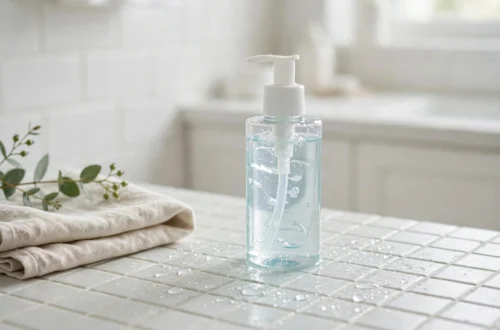
Start with an oil-based cleanser to dissolve sunscreen, makeup, and excess sebum, then follow with a gentle water-based foam or gel cleanser. This two-step process leaves pores truly clear without stripping the skin’s natural oils — the essential foundation every glass skin routine is built on.
Step 2: Exfoliate (2–3 times per week)
Dead skin cells block light reflection and make skin look dull, so gentle exfoliation is non-negotiable. Chemical exfoliants like glycolic acid work beautifully here — our glycolic acid benefits guide explains how this AHA dissolves dead cells, fades dark spots, and smooths texture. Limit exfoliation to two or three evenings per week so you never compromise your skin barrier.
Step 3: Apply a hydrating toner
Forget the harsh, alcohol-heavy toners of the past. Glass skin calls for a hydrating toner packed with ingredients like glycerin or hyaluronic acid. Pat it into damp skin with your palms — this first layer of moisture sets the tone for everything that follows.
Step 4: Layer on an essence
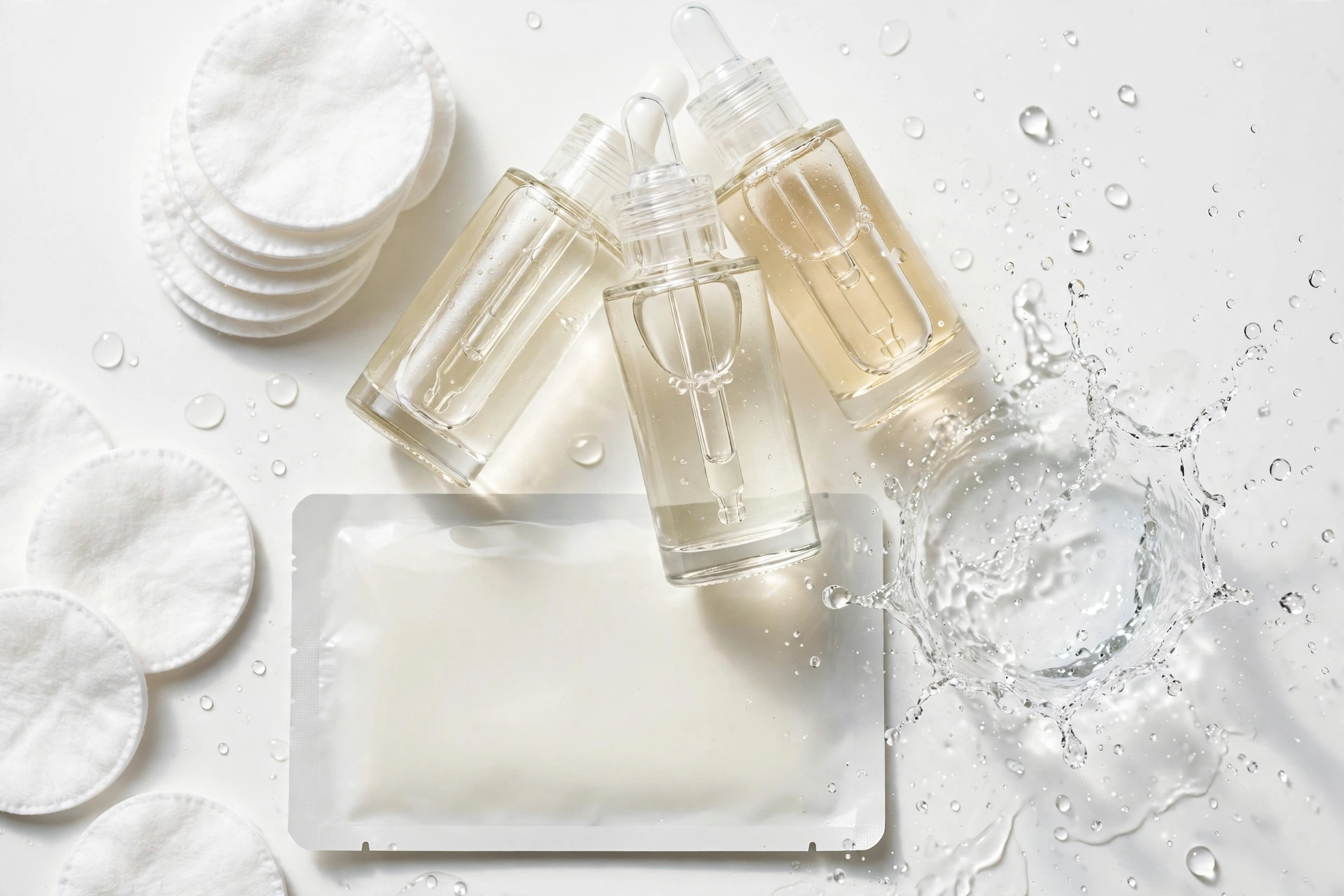
Essence is the signature K-beauty step that many Western routines skip. This thin, water-based fluid boosts moisture retention and helps the skin absorb subsequent products more effectively. Apply it with a gentle pressing motion and let it sink in for about 30 seconds.
Step 5: Add a serum or facial oil
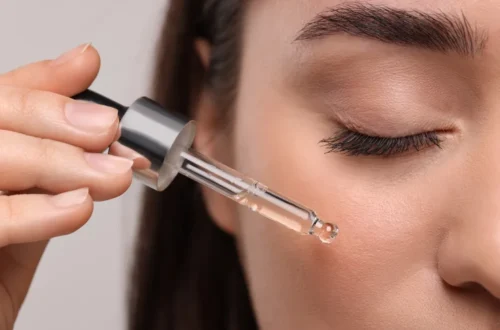
Now target your specific concerns. For glass skin, the best serums are loaded with hydrating and brightening actives — hyaluronic acid for plumping, niacinamide for refining pores and evening tone, or vitamin C for brightness. A lightweight facial oil with squalane can be used instead or layered afterward for an extra glow.
Step 6: Seal it with moisturizer
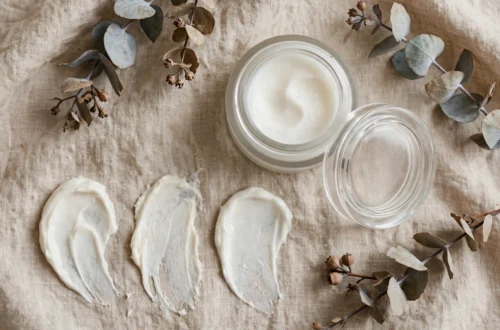
A good moisturizer locks in all the hydration layers beneath it. Look for formulas with ceramides to support the skin barrier and a texture that absorbs without greasiness. In the evening, you can finish with a slightly richer cream for an overnight moisture boost.
Step 7: Protect with sunscreen (morning only)
Sunscreen is non-negotiable in any K-beauty routine. UV damage breaks down collagen, creates dark spots, and dulls the complexion — all the opposite of glass skin. Choose a hydrating SPF 30+ formula that sits well under makeup and does not leave a white cast.
Step 8: Weekly sheet masks and treatments
Once or twice a week, add a hydrating sheet mask for an intensive moisture infusion. Masks with honey, centella asiatica, or hyaluronic acid calm inflammation while flooding the skin with hydration. This is also the perfect time for a gentle clay or enzyme mask if your skin needs extra brightness.
Key Ingredients for Glass Skin
You do not need every product on the market — you need the right ingredients. These are the workhorses behind the glass skin look:
- Hyaluronic acid — a humectant that holds up to 1,000 times its weight in water, plumping skin from the inside out for that bouncy, dewy finish.
- Glycerin — an affordable, time-tested humectant that draws moisture into the skin and keeps it there.
- Niacinamide (vitamin B3) — refines the look of pores, calms redness, and evens out skin tone, all essential for a clear, reflective surface.
- Ceramides — lipids that rebuild the skin barrier, locking in moisture and keeping irritants out. Healthy barrier equals healthy glow.
- Snail mucin — a K-beauty staple rich in hydrating and repairing compounds that leaves skin looking plump and luminous.
- Centella asiatica (cica) — calms inflammation and supports healing, great for sensitive skin types chasing glass skin.
- Vitamin C — brightens dull skin and fades dark spots, adding the “lit-from-within” radiance that defines the look.
- Squalane — a lightweight, non-comedogenic oil that seals in hydration without heaviness.
Build your routine around three or four of these and you will have a solid glass skin foundation.
Mistakes That Ruin the Glass Skin Look
Even a perfect routine can be sabotaged by bad habits. Avoid these common pitfalls:
Over-exfoliating. More is not better. Exfoliating daily or combining multiple acids and scrubs destroys the skin barrier, causing redness, flaking, and sensitivity — the exact opposite of glass skin. Stick to two or three times per week.
Skipping sunscreen. All that hydration work is wasted if UV rays are undoing it every day. Sunscreen every morning, rain or shine.
Using products that are too heavy. Thick, greasy creams can clog pores and cause breakouts, especially on oily skin. Glass skin comes from thin, layered hydration, not one heavy layer.
Expecting overnight results. Glass skin is a weeks-long project. Most people see meaningful improvement after four to six weeks of consistent routine. Switching products every few days prevents your skin from ever adjusting.
Ignoring lifestyle factors. Dehydration, poor sleep, heavy alcohol use, and a diet low in healthy fats all show up on your skin. Drink plenty of water, eat foods rich in omega-3s like salmon and avocado, and aim for seven to eight hours of sleep.
Frequently Asked Questions
How long does it take to get glass skin?
With a consistent routine, most people see visible improvement in two to four weeks and a real transformation in six to eight weeks. Skin needs time to complete full renewal cycles, so commit to at least a month before judging your results.
Can oily skin achieve glass skin?
Absolutely. Oily skin often achieves the dewy look faster because it produces its own glow. The key is using lightweight, non-comedogenic hydrating products instead of heavy creams, and not skipping moisturizer — dehydrated oily skin just produces more oil.
Is glass skin the same as dewy skin?
They are related but not identical. Dewy skin describes a fresh, moist finish. Glass skin goes further: it implies poreless-looking smoothness, translucency, and even tone in addition to dewiness. Think of dewy as the finish and glass skin as the overall condition.
Do I need all ten steps of the Korean routine?
No. The classic ten-step routine is a framework, not a rule. The essential glass skin steps are: double cleansing, gentle exfoliation, hydrating toner, essence or serum, moisturizer, and sunscreen. Sheet masks and treatments are helpful extras, not requirements.
Can men get glass skin too?
Of course. Glass skin is about skin health, not gender. The same routine works for everyone — just adjust product textures to your skin type. Many men see fast results because the routine adds hydration that shaving-heavy regimens often strip away.
Conclusion
Learning how to get glass skin is really about learning to treat your skin well: cleanse thoroughly but gently, exfoliate wisely, layer hydration like you mean it, protect your barrier, and never skip sunscreen. There is no single miracle serum — the magic is in the consistency of the full routine. Start with the core steps, give it six weeks, and you may find yourself reaching for less foundation and getting more compliments than ever before.