If you have ever scrolled past a photo of impossibly smooth, radiant skin and wondered what the secret ingredient was, there is a good chance the answer was glycolic acid. This humble alpha hydroxy acid has been a dermatologist favorite for decades, and it quietly powers everything from high-end serums to in-office chemical peels. It does not rely on gimmicks or exotic plant extracts — it works through simple, proven chemistry.
In this guide, you will learn exactly what glycolic acid is, the full list of glycolic acid benefits backed by dermatologists, how to add it to your routine without wrecking your skin barrier, and who should skip it or use it with caution. By the end, you will know whether this cult-favorite ingredient deserves a place on your shelf.
What Is Glycolic Acid?
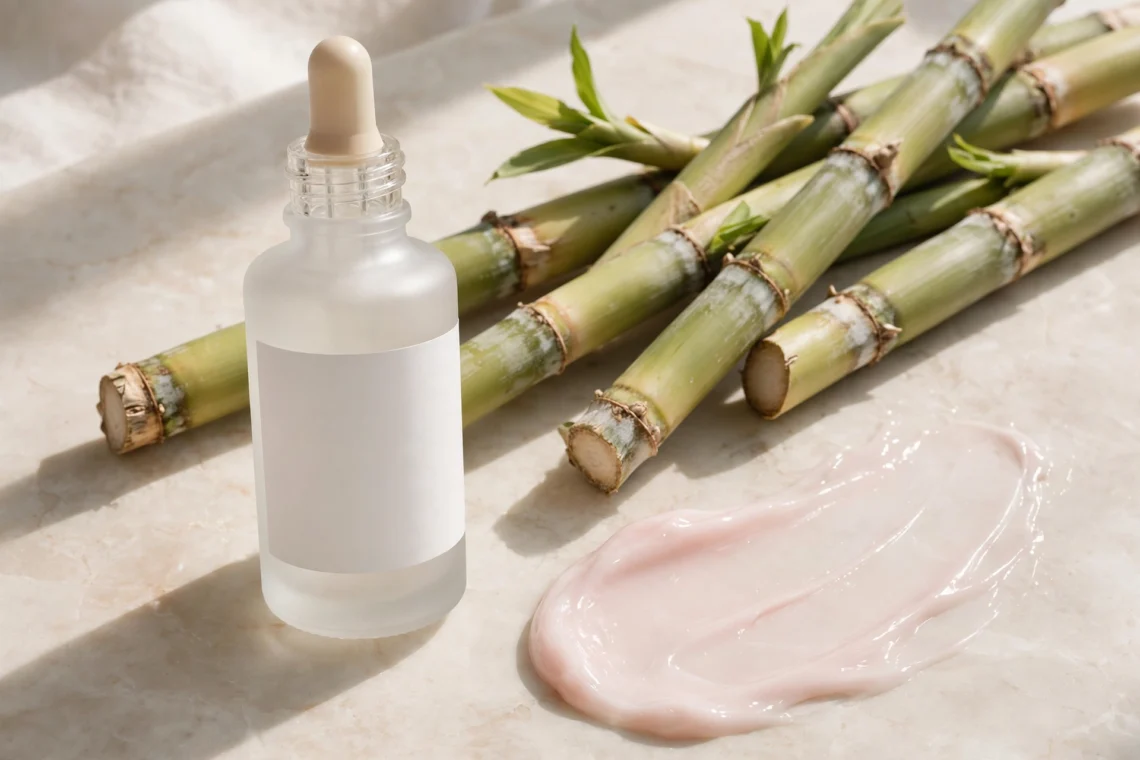
Glycolic acid is an alpha hydroxy acid (AHA) derived naturally from sugarcane, though most cosmetic-grade versions today are produced in a lab for purity and consistency. What makes it special is its molecular size: it is the smallest of all the AHAs, which means it penetrates the skin more easily than its cousins like lactic or mandelic acid.
When applied to the skin, glycolic acid works by dissolving the “glue” that holds dead skin cells together on the surface. This controlled exfoliation speeds up cell turnover, revealing the fresher, more even-toned skin underneath. Dermatologists describe this process as one of the most well-researched forms of chemical exfoliation available over the counter, and Healthline’s guide to glycolic acid explains how its small molecular structure lets it exfoliate deeply while still helping the skin retain moisture.
Because it is water-soluble, glycolic acid is best suited to improving the surface of the skin — think texture, tone, fine lines, and dark spots — rather than diving into oily pores. That is where its fellow acid, salicylic acid, has the edge. Understanding this distinction is key to using the ingredient correctly.
7 Proven Glycolic Acid Benefits
Here are the seven most important glycolic acid benefits, each backed by clinical research and dermatologist experience:
1. Powerful exfoliation for smoother texture
This is glycolic acid’s headline act. By dissolving the bonds between dead skin cells, it sweeps away the dull, rough layer that makes skin look tired and uneven. With consistent use, skin feels noticeably smoother, makeup applies more evenly, and that “strawberry skin” roughness on the cheeks fades.
2. Fades dark spots and hyperpigmentation
Post-acne marks, sun spots, and melasma patches all respond well to glycolic acid. Because it accelerates cell turnover, pigmented cells shed faster and are replaced by new, evenly-toned skin. Dermatologists often recommend glycolic acid products as a first-line over-the-counter option for hyperpigmentation before moving on to prescription treatments.
3. Softens fine lines and wrinkles
This is the benefit that keeps people coming back. Studies have shown that regular use of glycolic acid can stimulate collagen production in the deeper layers of the skin, gradually softening the appearance of fine lines around the eyes and mouth. The effect is not instant like Botox, but over weeks and months, skin looks plumper and more resilient.
4. Helps prevent clogged pores and breakouts
While salicylic acid remains the gold standard for oily, acne-prone skin, glycolic acid still plays a useful role. By keeping the surface of the skin exfoliated and free of dead-cell buildup, it prevents the kind of clogging that leads to blackheads and closed comedones. It also has mild antibacterial properties that work against acne-causing bacteria.
5. Evens out overall skin tone
Dullness, blotchiness, and uneven tone are usually the result of an accumulation of dead cells and minor sun damage. Glycolic acid’s exfoliating action brightens the complexion as a whole, giving skin that lit-from-within glow. This is also why it pairs beautifully with hydration-focused routines — once the dull layer is gone, hydrating products absorb better and the reflective, dewy finish shows through, as you will see in our how to get glass skin routine.
6. Boosts collagen for firmer skin
With repeated use, glycolic acid does more than resurface the top layer. Research suggests it can increase collagen density in the dermis, the skin’s support layer. More collagen means firmer, more elastic skin over time — a genuine anti-aging benefit, not just a cosmetic one.
7. Improves absorption of other skincare products
Think of dead skin cells as a barrier sitting between your expensive serums and your skin. Once glycolic acid clears that buildup, everything you apply afterward — vitamin C, niacinamide, moisturizers — penetrates more effectively. In this sense, glycolic acid makes your entire routine work harder.
Glycolic Acid vs. Other Exfoliating Acids
Not all chemical exfoliants do the same job, so here is a quick comparison to help you pick the right one:
- Glycolic acid (AHA): Best for uneven tone, fine lines, and surface texture. Most powerful exfoliation, but also the most likely to irritate sensitive skin.
- Lactic acid (AHA): A gentler AHA that also hydrates. A good starter option if glycolic acid feels too strong.
- Mandelic acid (AHA): The gentlest AHA, ideal for sensitive or darker skin tones because it penetrates slowly and carries a lower risk of irritation.
- Salicylic acid (BHA): Oil-soluble, so it dives into pores. Best for blackheads, active breakouts, and oily skin.
Many people use more than one acid in their routine — for example, glycolic acid on some nights and salicylic acid on others — but never layer them in the same session when you are starting out.
How to Use Glycolic Acid Safely
Glycolic acid is powerful, which means it rewards careful use and punishes impatience. Follow these rules to get the benefits without the burn:
Start with a low concentration. Begin with a product containing 5–8% glycolic acid. Reserve 10–15% formulas for after your skin has built tolerance, and leave 20%+ peels to professionals.
Use it at night. Glycolic acid increases sun sensitivity, so apply it in your evening routine and follow it with moisturizer. Every morning without exception, wear SPF 30 or higher.
Introduce it gradually. Start two to three nights per week for the first two weeks. If your skin stays calm — no stinging, redness, or flaking — increase to alternate nights, and eventually nightly if your skin tolerates it.
Patch test first. Apply a small amount behind your ear or along your jawline for three nights before going full-face. This simple step prevents most disasters.
Layer it correctly. After cleansing, apply your glycolic acid product to dry skin before any serums or moisturizers. Wait 30–60 seconds, then continue with hydrating layers. Avoid combining it in the same routine with retinol, vitamin C, or other strong acids until you are experienced.
Watch for warning signs. Mild tingling for a few minutes is normal. Persistent burning, visible redness, or peeling means you are overdoing it — scale back frequency or drop to a lower concentration.

Who Should Avoid or Use Caution With Glycolic Acid
Glycolic acid is not for everyone, and certain situations call for extra care:
- Very sensitive or rosacea-prone skin — the smallest AHA is also the most penetrating, which can trigger flare-ups. Try mandelic acid instead.
- Active eczema, psoriasis, or broken skin — acids on compromised skin barriers cause pain and damage, not improvement.
- Deeper skin tones — high-concentration or frequent use can occasionally cause rebound hyperpigmentation. Start slow and consider lactic or mandelic acid alternatives.
- Pregnancy — low-concentration glycolic acid is generally considered acceptable, but always check with your own doctor before starting any active ingredient while pregnant.
- Sunburn or recent waxing/shaving irritation — wait until the skin has fully calmed before resuming acids.
If you fall into one of these groups, a dermatologist can help you find a gentler path to the same results.
Frequently Asked Questions
How long does it take to see glycolic acid benefits?
Most people notice smoother texture within one to two weeks of consistent use. Improvements in dark spots and fine lines typically take six to eight weeks, because the skin needs several full turnover cycles to reveal meaningful change. Patience and consistency matter more than concentration.
Can I use glycolic acid every day?
Yes, once your skin has built tolerance — but you do not have to. Two to four times per week is plenty for most people to maintain results. Daily use is fine for experienced users with resilient skin, but overuse can thin the skin barrier and cause chronic irritation.
Is glycolic acid better than retinol for anti-aging?
They work differently and complement each other well. Glycolic acid exfoliates and brightens the surface while stimulating some collagen; retinol works deeper and is generally considered the stronger anti-aging ingredient. Many routines use glycolic acid on some nights and retinol on others. Do not combine them in the same session when starting out.
What percentage of glycolic acid should beginners use?
Start at 5–8%. This range delivers real exfoliating benefits with a low risk of irritation. You can move up to 10–15% after a month or two of comfortable use. Anything above 20% should be left to professional peels done by a licensed provider.
Does glycolic acid help with acne scars?
It can help with the dark marks left behind by acne (post-inflammatory hyperpigmentation) and with mild textural scarring. Deep pitted or ice-pick scars generally need professional treatments like microneedling or laser resurfacing — glycolic acid alone will not fix those, though it can improve the skin around them.
Conclusion
Glycolic acid has earned its cult status the honest way: through decades of clinical evidence and millions of glowing before-and-afters. From dissolving dull, dead skin to fading dark spots, softening fine lines, and boosting collagen, the list of glycolic acid benefits is one of the longest of any single skincare ingredient. The key is respecting its power — start low, go slow, wear sunscreen, and listen to your skin. Do that, and this humble sugarcane-derived acid may well become the hardest-working product in your routine.