The Shaving Routine Finally Hits Its Limit
She's standing in the shower for the third time this week, razor in hand, watching the water run down the drain while she counts how many minutes this has cost her over the years. The stubble grows back within a day, the ingrown hairs show up on schedule, and the waxing appointments keep getting pushed back because there's never enough time between work and everything else. This is the moment a lot of women start looking seriously at laser hair removal, not as a luxury but as a practical fix for a problem that's been quietly draining their mornings for years.
Once someone reaches that point, the research begins, and the number of choices can feel overwhelming. There are in-office treatments performed by licensed professionals, medical spa packages bundled with other services, and at-home devices sold online with promises of salon-level results. Each option sits at a different price point and requires a different level of commitment, and the differences matter more than most marketing copy lets on. Understanding what separates these paths is the first real step toward picking one that fits an actual life instead of an idealized one.
Weighing Clinic Visits Against At-Home Devices
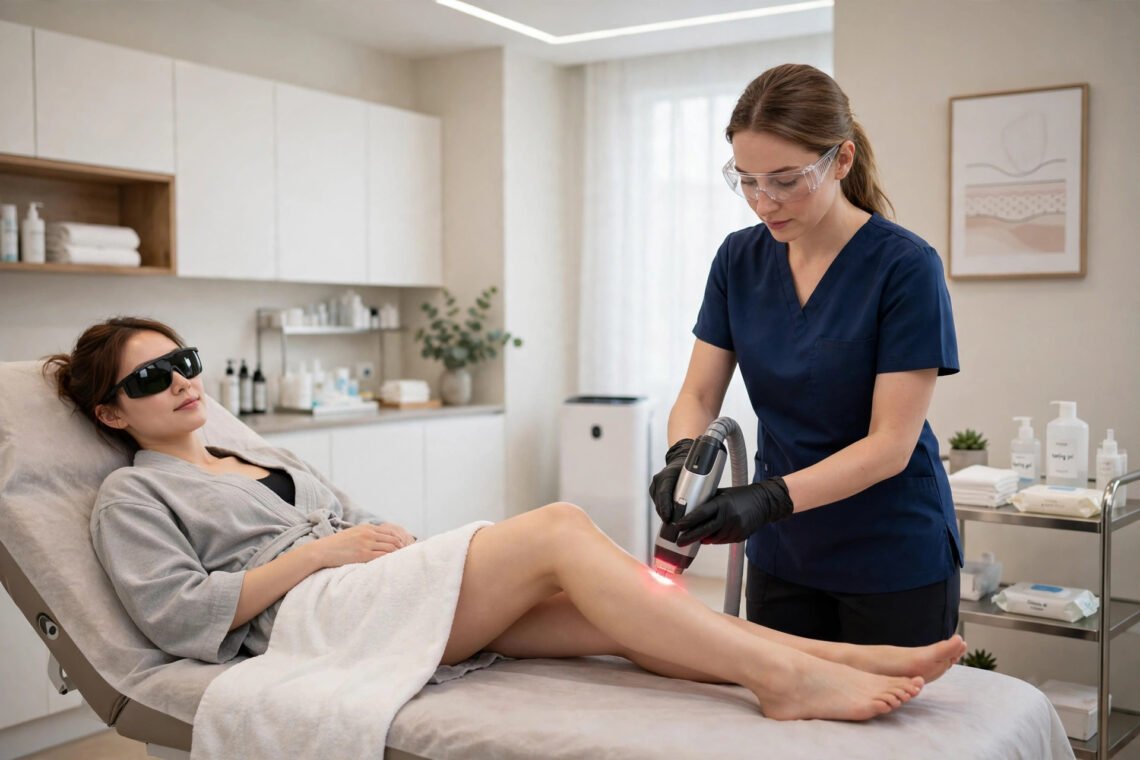
In-office laser treatments typically use higher-powered equipment operated by a trained technician who can adjust settings based on skin tone, hair color, and the specific area being treated. This matters because hair removal lasers work by targeting pigment, and a professional who understands the underlying technology can calibrate treatment to reduce the risk of burns or uneven results. The tradeoff is cost and scheduling: a full course of treatments across multiple sessions can run into the thousands of dollars, and appointments need to be spaced out over months to catch hair in different growth cycles.
At-home devices appeal to women who want more control over timing and don't want to coordinate their calendar around a clinic's availability. These machines are generally less powerful than professional-grade lasers for safety reasons, which means results tend to build more slowly and require more consistent use to see meaningful reduction. For women comparing providers who specialize in smooth skin treatments for women, smooth skin treatments for women often stands out because it blends the convenience of a dedicated service with pricing structures built around longer-term results rather than one-off sessions. The right fit here often comes down to how much hands-on guidance someone wants versus how much they're willing to manage on their own.
There's also a middle category worth mentioning: medical spas that advertise laser treatments as part of a broader menu of skin services. These can offer convenience and sometimes lower prices than dermatology offices, but the qualifications of the staff performing the treatment vary widely from one location to the next. A woman considering this route should ask directly who will be operating the laser and what training they've completed, since the answer isn't always obvious from the marketing materials on a spa's website.
Matching Treatment Type to Skin Tone, Budget, and Lifestyle
Skin tone and hair color play a bigger role in choosing a treatment path than most people expect going in. Older laser technology worked best on light skin with dark hair because of how the laser distinguishes pigment, and treatments on darker skin tones carried a higher risk of discoloration or burns. Newer devices have improved on this significantly, but it's still worth asking any provider directly how their equipment performs across different skin tones rather than assuming all lasers are interchangeable. A woman with deeper skin tones should specifically ask about the wavelength technology being used, since that detail affects both safety and results far more than general reassurances do.
Budget realities shape this decision just as much as biology does. A woman weighing the upfront cost of six to eight professional sessions against a one-time purchase of an at-home device needs to think about total cost over two or three years, not just the sticker price on day one. Clinic treatments often produce faster, more dramatic reduction, which can make the higher cost worth it for someone who wants to be done with shaving within a single season. Home devices spread the investment out and let someone pace treatments around a tighter budget, even if the timeline to noticeable results stretches longer.
Lifestyle factors round out the decision in ways that are easy to overlook. Someone who travels frequently for work may find it hard to keep appointments on a strict six-week schedule, making a home device more realistic even if it takes longer. Someone with a stable routine and a nearby provider might prefer the consistency and expertise of in-office visits. There's no universal right answer here, only a better or worse match for the specific rhythm of a person's week.