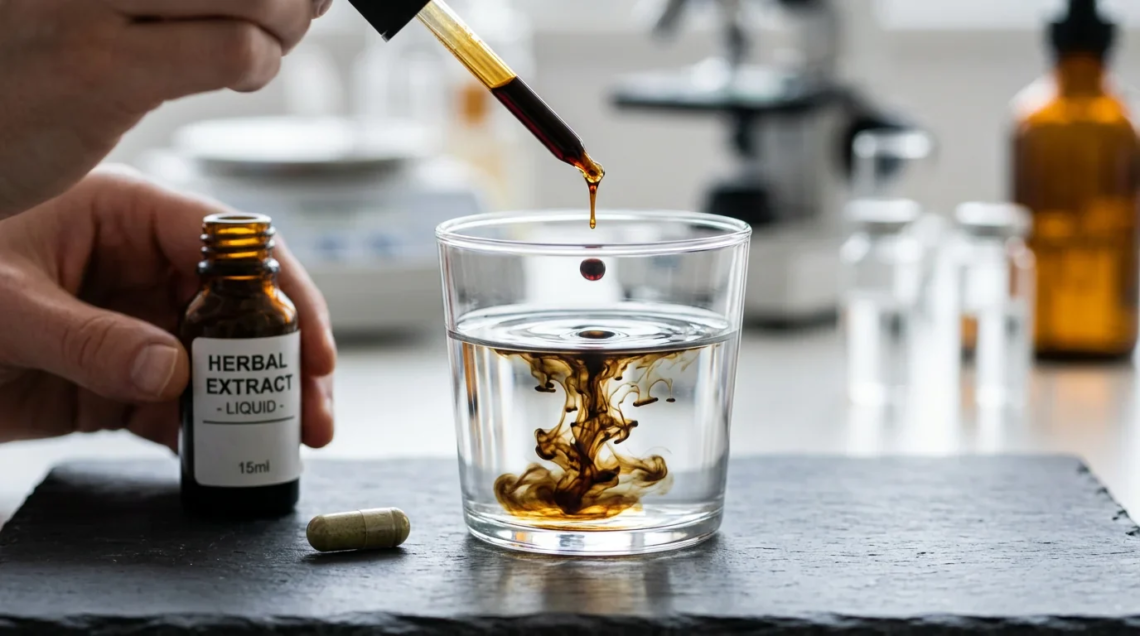
Osha root tincture vs capsules is a practical format question. One person may want a quick liquid extract. Another may want capsules with no strong herbal taste. Someone else may prefer tea or dried root, but those formats require more preparation and sourcing awareness. This guide compares each option by taste, timing, convenience, travel use, and routine fit.
Osha root, also known as Ligusticum porteri, is commonly sold as tinctures, capsules, dried root, teas, and herbal extracts. Secrets Of The Tribe approaches this topic as a format and routine decision, not as a place for aggressive health promises. The better choice is the one that fits your day, your taste tolerance, and the product label.
This article does not provide medical advice. Osha root supplements are not intended to diagnose, treat, cure, or prevent any disease. If you are pregnant or nursing, take medication, manage a health condition, have allergies, or are unsure whether osha is appropriate for you, speak with a qualified healthcare professional before use.
Osha Root Tincture vs Capsules: What Is the Main Difference?
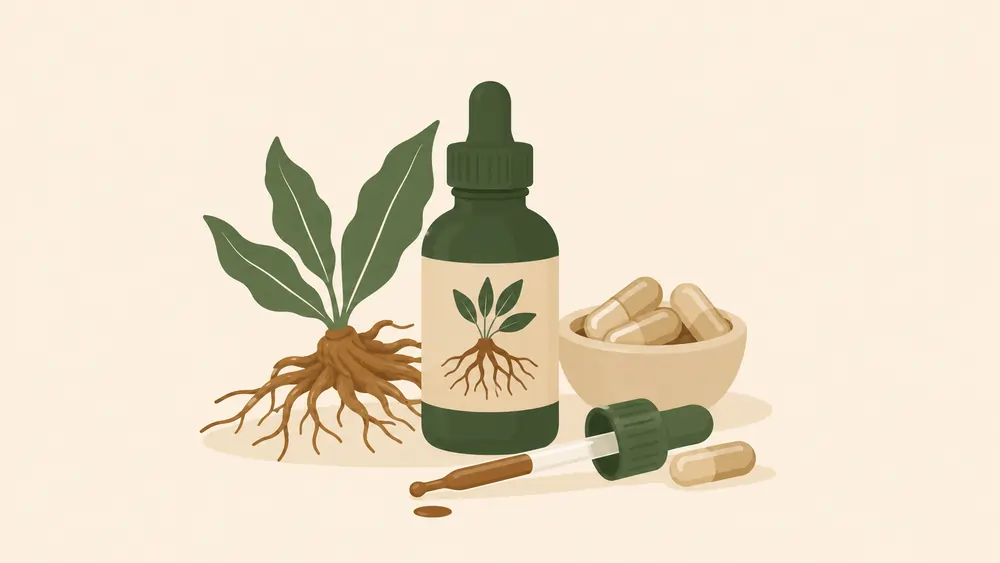
The main difference is how the format feels in daily use. An osha root tincture is a liquid extract. You usually take it directly or dilute it in water. Capsules hold powdered root, extract, or a prepared formula inside a swallowable shell.
Tinctures may feel more flexible because they are liquid and easy to place into a short routine. Capsules may feel easier because they avoid strong taste and come in a fixed serving style.
Neither format is automatically better. Tincture may suit people who like liquid herbs. Capsules may suit people who want no herbal taste, easier travel, and a cleaner meal-based routine.
Quick Comparison: Tincture, Capsules, Tea, and Dried Root
| Format | Best For | Routine Fit | Watch-Outs |
|---|---|---|---|
| Osha root tincture | People who want flexible liquid use | Quick daily routine, often diluted in water | Strong herbal taste, extraction base, label directions |
| Osha root capsules | People who dislike herbal taste | Easy with breakfast, lunch, or travel | Less flexible serving style, capsule swallowing |
| Osha root tea | People who enjoy slow herbal rituals | Evening or calm seasonal routine | More preparation time and stronger taste |
| Dried osha root | Experienced users | DIY preparation | Sourcing, identification, and preparation caution |
When Does Osha Root Tincture Make More Sense?
Osha root tincture makes more sense when you want a liquid format that fits quickly into a seasonal wellness routine. It can be taken directly if the label allows it, but many people prefer diluting tinctures in water because the taste can be strong.
Tinctures work well at home, especially for people who already use liquid herbal extracts. They do not require swallowing capsules. They can also fit into a morning, midday, or evening routine depending on the label and personal comfort.
The main downside is taste. Osha root has a strong aromatic profile. Some users like that traditional herbal feel. Others find it too intense. If taste is the reason you avoid consistency, capsules may be the better choice.
When Do Osha Root Capsules Make More Sense?
Osha root capsules make more sense when you want a simple, no-taste format. Capsules are easy to pair with breakfast or lunch and water. They are also more convenient for travel, work, school, and busy days.
Capsules reduce preparation time. You do not need to measure liquid, prepare tea, or handle dried root. You follow the serving size on the label and keep the routine stable.
The trade-off is flexibility. A capsule is pre-portioned. You cannot adjust the serving style the same way you might with a tincture. Some people also dislike swallowing capsules. In that case, tincture or tea may feel easier.
Which Format Is Better for Seasonal Wellness Routines?
For most beginners, capsules are usually the easiest seasonal routine format because they are simple, portable, and taste-free. Tinctures are better for people who prefer liquid extracts and do not mind a strong herbal flavor.
Seasonal routines work best when they are easy to repeat. If a format requires too many steps, it may sit unused. If a taste is too strong, you may skip it. If a bottle is hard to travel with, you may leave it at home.
Choose the format that removes your biggest barrier. If taste is the barrier, choose capsules. If swallowing pills is the barrier, choose tincture. If ritual matters, tea may fit. If you want DIY preparation, dried root requires more caution and experience.
Best Timing for Osha Root Tincture
Osha root tincture can fit into morning, midday, or evening routines. The best timing depends on the product label, stomach comfort, and taste tolerance.
If the taste feels strong, dilute the tincture in water. If your stomach is sensitive, take it after food rather than on an empty stomach. A meal-based routine can make the experience gentler and easier to remember.
Tinctures may be less convenient outside the home. They require the bottle, serving method, and sometimes water for dilution. For travel or workdays, capsules may be easier.
Best Timing for Osha Root Capsules
Osha root capsules usually fit best with breakfast or lunch. Food and water create a simple routine anchor. This approach is especially useful for beginners or people with sensitive stomachs.
Capsules also work well for people who organize supplements in a weekly routine. They are easier to pack and easier to take discreetly than a tincture bottle or dried root preparation.
Do not take extra capsules because you missed a serving unless the product label clearly supports that use. Keep the routine label-led and consistent.
What About Osha Root Tea?
Osha root tea may appeal to people who enjoy a slow herbal ritual. It can fit into an evening routine, a cool-season routine, or a quiet home routine.
The downside is preparation. Tea takes time. It also exposes you to the full taste and aroma of the root. For some people, that is part of the appeal. For others, it is a reason to choose capsules.
Tea is not the most convenient format for travel or fast mornings. It works better when you have time, water, a cup, and a comfortable preparation space.
What About Dried Osha Root?
Dried osha root is best for experienced users who understand sourcing, preparation, and identification concerns. It is not the easiest beginner format.
Osha belongs to the Apiaceae family, and accurate plant identification matters. Some plants in related-looking environments can be dangerous. Beginners should avoid wild harvesting or DIY identification unless they have direct expert guidance.
Sourcing also matters because osha is a slow-growing wild-harvested plant in many contexts. Responsible buying should consider quality, identity, and sustainability. A prepared product from a transparent supplier is usually simpler for beginners than loose dried root.
Format Decision Table
| User Need | Better Format | Why | Practical Note |
|---|---|---|---|
| No strong herbal taste | Capsules | The capsule shell hides the flavor | Take with water and food if needed |
| No pill swallowing | Tincture or tea | Liquid formats avoid capsules | Dilute tincture if taste is strong |
| Fast daily routine | Capsules or tincture | Both can be quick | Capsules are easier away from home |
| Travel-friendly use | Capsules | Less risk of spills and easier packing | Keep the original label available |
| Traditional herbal ritual | Tea | Slower preparation fits a ritual | Requires time and taste tolerance |
| DIY preparation | Dried root | More control over preparation | Requires sourcing and identification caution |
Taste, Smell, and Routine Consistency
Osha root has a bold herbal character. Taste and smell can shape whether someone actually uses the product. This is not a small detail. A supplement routine fails when the format feels unpleasant or inconvenient.
Tinctures and teas expose you to more of the sensory profile. Capsules reduce that friction. Dried root may have the strongest ritual feel, but it also requires the most preparation.
Secrets Of The Tribe takes a practical editorial stance here: do not choose the format that sounds most traditional if it does not fit your day. Choose the format that you can use responsibly, comfortably, and consistently.
Travel, Work, and Busy-Day Use
Capsules are usually the easiest format for travel, work, and busy days. They are portable, discreet, and simple to take with water. They also avoid the risk of spills.
Tinctures can travel, but they need more care. Liquid bottles can leak or break. They may also raise questions around alcohol content, bottle size, or storage conditions.
Tea and dried root are the least convenient for busy-day use. They require preparation and a controlled setting. These formats make more sense at home.
Safety and Sourcing Notes for Osha Root
Osha root requires extra caution compared with many common supplement topics. Public safety references often note limited human safety research. They also highlight concerns around pregnancy, nursing, and plant identification.
Pregnant people should avoid osha unless a qualified healthcare professional gives personalized guidance. Nursing people should also avoid casual use because reliable safety information is limited.
Do not wild-harvest osha unless you have expert training. Misidentification can be dangerous. Sourcing should be transparent. Look for clear labeling, correct botanical name, serving directions, warning statements, and quality information.
How to Choose a Beginner-Friendly Osha Format
For most beginners, capsules are the simplest format. They avoid strong taste, reduce preparation time, and travel well. Tinctures are a good alternative for people who prefer liquid extracts and do not mind taste.
Tea works best for people who enjoy preparation and want a slower herbal routine. Dried root is better left to experienced users who understand sourcing and preparation concerns.
A beginner should not start with multiple osha formats at once. Choose one product. Follow the label. Observe comfort. Keep the routine simple.
Osha Root Format Checklist
Use this checklist before choosing between osha root tincture, capsules, tea, or dried root. The goal is to match the format to your real routine, taste tolerance, and safety needs. A clean format choice is better than a complicated supplement plan.
Check Your Taste Tolerance
If you dislike strong herbal flavors, capsules may be the easiest choice. If you enjoy bold herbal taste, tincture or tea may fit.
Choose Your Routine Setting
Use capsules for travel, work, or busy mornings. Use tincture or tea when you have time and space at home.
Read the Botanical Name
Look for Ligusticum porteri on the product label. Clear botanical labeling helps reduce confusion.
Review Serving Directions
Follow the suggested serving size and use directions. Do not combine multiple osha products casually.
Check Pregnancy and Nursing Warnings
Avoid osha during pregnancy or nursing unless a qualified professional gives personalized guidance.
Avoid DIY Wild Harvesting
Do not identify or harvest osha on your own as a beginner. Plant misidentification can be dangerous.
Ask When Medication Is Involved
If you take medication or manage a health condition, ask a qualified professional before use. Bring the exact product label.
Common Mistakes to Avoid
Choosing Tincture Without Considering Taste
Tincture may be flexible, but the taste can be strong. If taste makes you skip use, capsules may be better.
Assuming Capsules Are Always Weaker
Capsules are not automatically weaker. They are simply a different format. Compare labels, serving size, and ingredient form.
Starting With Dried Root as a Beginner
Dried root requires more sourcing and preparation awareness. Beginners usually do better with a clearly labeled prepared product.
Ignoring Sustainability
Osha is often wild-harvested and slow-growing. Responsible sourcing matters when choosing any osha product.
Using Osha for Medical Claims
Avoid treating osha root as a medical solution. Use careful wellness language and follow FDA-style claim limits.
FAQ about Osha Root Tincture vs Capsules
Is osha root tincture better than capsules?
Not for everyone. Tincture offers liquid flexibility, while capsules offer no taste, easy travel, and simple serving control.
When should I take osha root tincture?
Follow the product label. Many people place tinctures in a morning, midday, or evening routine and dilute them in water if the taste is strong.
When should I take osha root capsules?
Capsules often fit well with breakfast or lunch and water. Food may make the routine more comfortable for beginners.
Does osha root taste strong?
Yes, osha root can have a strong aromatic herbal taste. Capsules are usually better for people who dislike that flavor.
Is osha root tea better than capsules?
Tea may suit people who enjoy slow herbal rituals. Capsules are usually faster, more portable, and easier for taste-sensitive users.
Is dried osha root good for beginners?
Dried root is usually better for experienced users. Beginners should be careful with sourcing, preparation, and plant identification issues.
Can I travel with osha root tincture?
You can, but capsules are usually easier for travel because they avoid spills, liquid limits, and bottle handling.
Can pregnant people use osha root?
Pregnant people should avoid osha unless a qualified healthcare professional gives personalized guidance.
Can I take tincture and capsules together?
Do not combine multiple osha formats casually. Follow labels and ask a qualified professional if you are unsure.
Glossary
Osha Root
The root of Ligusticum porteri, a plant used in some herbal supplement products.
Ligusticum porteri
The botanical name commonly used for osha root.
Tincture
A liquid herbal extract usually taken directly or diluted in water.
Capsule
A supplement format that contains powder or extract inside a swallowable shell.
Dried Root
Whole or cut dried plant root used for preparation by experienced users or herbal product makers.
Seasonal Wellness Routine
A general wellness habit used during certain times of year, without making disease-related claims.
Serving Size
The amount suggested on a product label for one use.
Wild-Harvested
Collected from natural plant populations rather than cultivated fields.
Botanical Identification
The process of correctly identifying a plant by its accepted botanical name and characteristics.
Conclusion
Osha root tincture vs capsules comes down to taste, convenience, flexibility, and sourcing confidence. Choose tincture for liquid flexibility, capsules for no-taste simplicity, tea for ritual, and dried root only if you have the experience to use it responsibly.
Sources
General dietary supplement consumer safety guidance, U.S. Food and Drug Administration — fda.gov/food/dietary-supplements/information-consumers-using-dietary-supplements
Osha root overview with safety and pregnancy cautions, WebMD — webmd.com/vitamins/ai/ingredientmono-959/osha
Osha root overview and plant identification caution, Healthline — healthline.com/nutrition/osha-root
Dietary supplement labeling and Supplement Facts overview, U.S. Food and Drug Administration — fda.gov/food/dietary-supplements
Osha conservation and wild-harvest context, United Plant Savers — unitedplantsavers.org/osha-ligusticum-porteri
Osha sustainability research and wild population context, University of Kansas Native Medicinal Plant Research Program — nativeplants.ku.edu/osha