Dry skin is more than a cosmetic annoyance. When your skin feels tight, looks flaky, or itches after washing, it is telling you its protective barrier is compromised — and the wrong products can make it worse. The best skincare products for dry skin do two things: they restore lost moisture and they seal it in so it stays put.
The good news is that dermatologists agree on exactly what dry skin needs, and the answers are surprisingly consistent across price points. This guide covers the best skincare products for dry skin in 2026 — which categories matter most, the ingredients that genuinely hydrate, how to layer them, and the habits that quietly sabotage dry skin.
Understanding Dry Skin: What Is Actually Happening?
Dry skin (xerosis) happens when your skin loses too much water and natural oil. The causes are familiar: cold or dry air, long hot showers, harsh soaps, aging, and sometimes medications. When the skin barrier weakens, moisture escapes faster than you can replace it, and irritants get in more easily — which is why dry skin often itches, stings, and looks rough.
That means the best skincare products for dry skin are not just moisturizing — they are barrier-repairing. Every recommendation below follows that principle.
The 5 Product Categories Dry Skin Needs Most
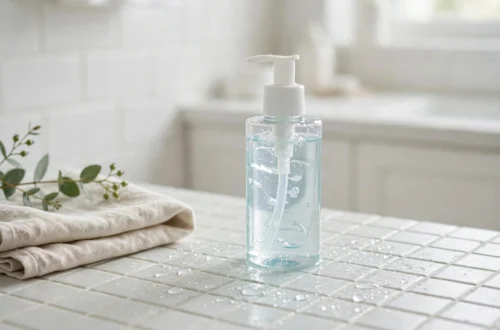
1. Gentle, Non-Foaming Cleanser
The wrong cleanser can undo everything else in your routine. Dry skin needs a cleanser that removes the day without stripping natural oils.
- Choose cream, milky, or oil-based cleansers over harsh foaming formulas.
- Avoid high-lather cleansers — that “squeaky clean” feeling means your barrier just took a hit.
- Look for hydrating ingredients like glycerin, ceramides, or hyaluronic acid in the formula.
- In the morning, many people with very dry skin do fine with just lukewarm water and a splash — cleansing twice daily with product is not mandatory.
2. Hydrating Toner or Essence
After cleansing, a hydrating toner gives dry skin its first drink of water. Skip alcohol-based astringent toners entirely — they are the enemy of dry skin.
- Look for humectant-rich formulas with hyaluronic acid, glycerin, or aloe.
- Apply to damp skin with your palms rather than a cotton pad, which wastes product.
- Layer two thin applications if your skin is very thirsty — this “sandwiching” technique boosts hydration without heaviness.
3. Hydrating Serum
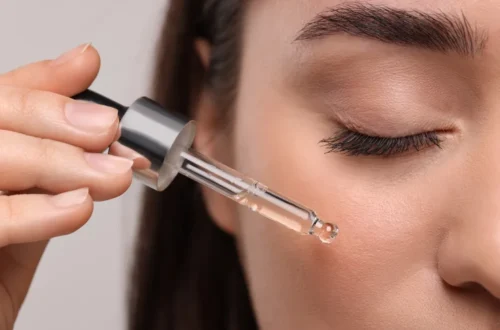
Serums deliver concentrated moisture deep into the skin. For dry skin, these are the heavy lifters:
- Hyaluronic acid serums draw water into the skin. Apply to damp skin for best results — on dry skin in a dry climate, hyaluronic acid can pull moisture the wrong way.
- Niacinamide serums strengthen the barrier and calm the redness that often accompanies dryness.
- Squalane serums mimic the skin’s own oils and absorb without greasiness.
- Ceramide serums directly patch the cracks in a damaged barrier.
Use one or two serums maximum. More layers do not mean more hydration if the products are not compatible.
4. Rich Moisturizer (Cream or Ointment)
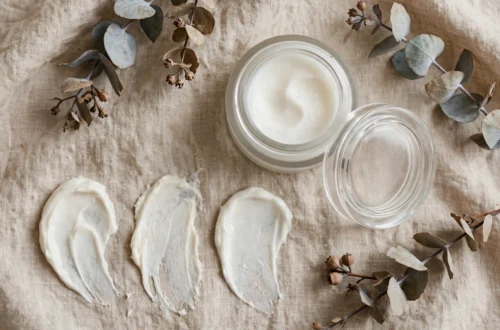
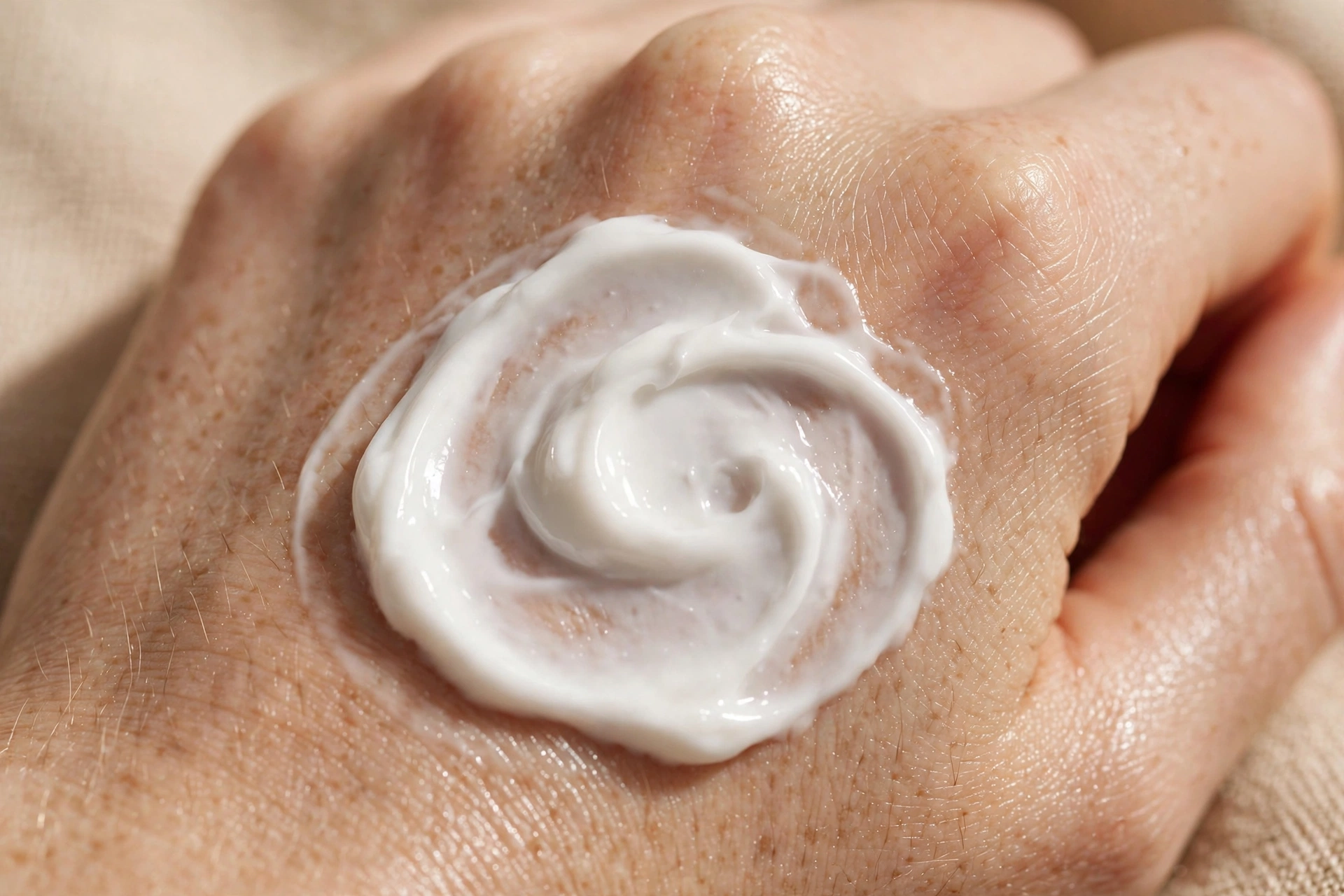
This is the cornerstone of the best skincare products for dry skin. Creams and ointments are significantly more effective for dry skin than lightweight lotions, because they contain more oil to seal moisture in.
- Creams (water + oil emulsions) are the everyday choice for dry faces.
- Ointments (petrolatum or wax-based) are the most protective option for very dry, cracked areas like hands, heels, and lips.
- Ingredients dermatologists recommend for dry skin include shea butter, ceramides, glycerin, hyaluronic acid, dimethicone, mineral oil, and petrolatum.
- Look for oils like jojoba or olive oil high on the ingredient list.
Timing is critical: apply moisturizer within a few minutes of washing or bathing, while the skin is still damp. Moisturizers work by trapping existing moisture — applying to bone-dry skin gives them far less to work with.
5. Sunscreen (Yes, Even for Dry Skin)
Dry skin still needs daily UV protection. Many sunscreens are drying, so choose carefully:
- Moisturizing sunscreen formulas with added ceramides or hyaluronic acid pull double duty.
- Cream-based mineral sunscreens suit dry, sensitive skin well.
- If your sunscreen pills or flakes over your moisturizer, try a different base formula rather than skipping sun protection.
The Correct Order: Layering for Maximum Hydration
Product order determines how much hydration actually reaches your skin. The rule is simple: thinnest to thickest, water before oil.
Morning routine:
- Gentle cleanser (or lukewarm water rinse).
- Hydrating toner on damp skin.
- Hydrating serum (hyaluronic acid works well here).
- Moisturizer — cream formula.
- Sunscreen SPF 30 or higher as the final step.
Evening routine:
- Gentle cleanser to remove sunscreen and the day’s buildup.
- Hydrating toner.
- Treatment serum (niacinamide or ceramide-based).
- Rich moisturizer or facial oil.
- Optional: a thin layer of petrolatum-based ointment on extra-dry patches — the “slugging” method.
Give the routine at least four weeks before judging it. Barrier repair is a gradual process, not an overnight transformation.
Ingredients That Actually Help Dry Skin
Humectants attract water into the skin:
- Hyaluronic acid
- Glycerin
- Urea (at low concentrations)
Emollients soften and smooth:
- Shea butter
- Squalane
- Jojoba oil
- Ceramides
Occlusives seal moisture in:
- Petrolatum
- Dimethicone
- Mineral oil
- Beeswax
The best skincare products for dry skin combine all three types. A hyaluronic acid serum with no occlusive on top will evaporate and leave skin drier than before — this is the single most common dry-skin mistake.
Habits That Sabotage Dry Skin
Even the best skincare products for dry skin cannot overcome these everyday habits:
- Long, hot showers. Hot water strips natural oils fast. Keep showers to 5–10 minutes with warm (not hot) water.
- Harsh soaps and fragranced products. Switch to fragrance-free, gentle formulas for body and face.
- Skipping moisturizer after washing. The window is minutes, not hours. Moisturize immediately after bathing.
- Indoor heating without humidity control. Heaters and radiators dry the air — a humidifier in the bedroom can make a visible difference overnight.
- Over-exfoliating. Dry skin is already barrier-compromised. Limit exfoliation to once a week with a gentle formula, or skip it until your skin calms down.
When Dry Skin Needs a Dermatologist
Most dry skin responds to the right products and habits. But see a board-certified dermatologist if:
- Moisturizing consistently for two to three weeks brings no improvement.
- The skin is so dry it cracks and bleeds.
- Itching interferes with sleep or daily life.
- Redness, swelling, or a rash appears alongside the dryness.
Sometimes prescription treatment is needed for inflammation or conditions like eczema that mimic simple dryness. The American Academy of Dermatology’s dry-skin guidance confirms many of these tips — and when to seek professional help: dermatologists’ top tips for relieving dry skin.
For a broader look at building a complete routine beyond dryness, see our main guide: best skincare products covering every category from cleansers to sunscreen.
Frequently Asked Questions
What are the best skincare products for extremely dry skin?
For extremely dry skin, prioritize a cream or oil cleanser, a humectant serum (hyaluronic acid or glycerin), and a rich cream or ointment moisturizer containing ceramides, shea butter, or petrolatum. Ointments are the most protective option for cracked areas. Apply moisturizer to damp skin within minutes of washing to lock in hydration.
Should I exfoliate dry skin?
Gently and infrequently. Dry skin has a weakened barrier, so limit exfoliation to once a week with a mild chemical exfoliant (like lactic acid) rather than harsh scrubs. If your skin stings, peels, or looks red afterward, stop exfoliating until it fully recovers.
Is hyaluronic acid good for dry skin?
Yes, when used correctly. Hyaluronic acid attracts water into the skin, but it needs moisture to work with — apply it to damp skin and seal it with a moisturizer or oil on top. Used on dry skin in a dry climate without an occlusive layer, it can actually worsen dryness.
What is the best moisturizer texture for dry skin: lotion, cream, or ointment?
Creams are the best everyday choice for dry facial skin because they balance water and oil. Ointments are more effective and less irritating for very dry or cracked areas like hands and heels. Lotions are generally too light for truly dry skin — they absorb fast but evaporate quickly.
Can dry skin be oily at the same time?
Yes — this is dehydrated skin, which lacks water rather than oil. It can feel tight and look shiny simultaneously. The fix is water-based hydration (humectants like hyaluronic acid and glycerin) sealed with a light occlusive, rather than heavy oil-based products alone.
Why does my skin feel drier after moisturizing?
Common causes: applying moisturizer to completely dry skin (nothing to trap), using a lotion that is too light, layering hyaluronic acid without an occlusive on top, or a formula with fragrance or alcohol that irritates. Switch to a richer cream, apply to damp skin, and keep the routine fragrance-free.