Clear skin is not about expensive products or complicated routines with twelve steps. It is about consistency, gentle care, and understanding what your skin actually needs. Most people who struggle with breakouts, dullness, or uneven texture are making a few simple mistakes that are easy to fix once you know what to look for.
This guide walks you through how to get clear skin with a straightforward routine that works for most skin types. You will learn the essential steps, the habits that make the biggest difference, and the common mistakes that quietly undo all your good work.
Why Clear Skin Is Harder Than It Should Be
Your skin deals with a lot every day. Excess oil, dead skin cells, sweat, sunscreen, makeup, and pollution all pile up on its surface. When oil and dead cells clog your pores, you get blackheads, whiteheads, and pimples. Add in hormones, stress, lack of sleep, or an irritating product, and breakouts become even more likely.
The good news is that most of this is manageable. You do not need to overhaul your life. A few targeted changes to your routine and daily habits can dramatically improve how your skin looks and feels within weeks.
Step 1: Build a Simple, Consistent Routine
The biggest mistake people make is switching products constantly or using too many products at once. Clear skin comes from a simple routine you can stick to every single day. Here is the core structure:
Morning Routine
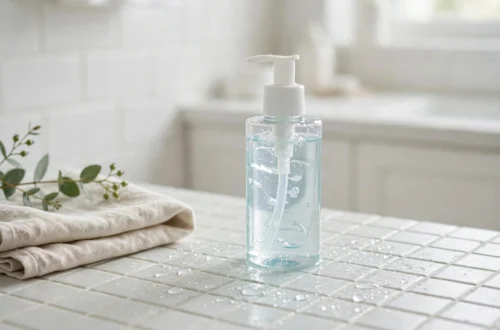
1. Cleanse gently. Wash your face with lukewarm water and a mild cleanser. This removes overnight oil and sweat without stripping your skin. If you have oily or breakout-prone skin, choosing the right cleanser matters more than any other product in your routine — check our guide to the best face wash for oily skin to find one that suits your skin type.
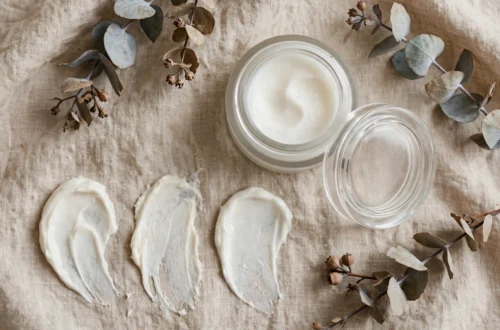
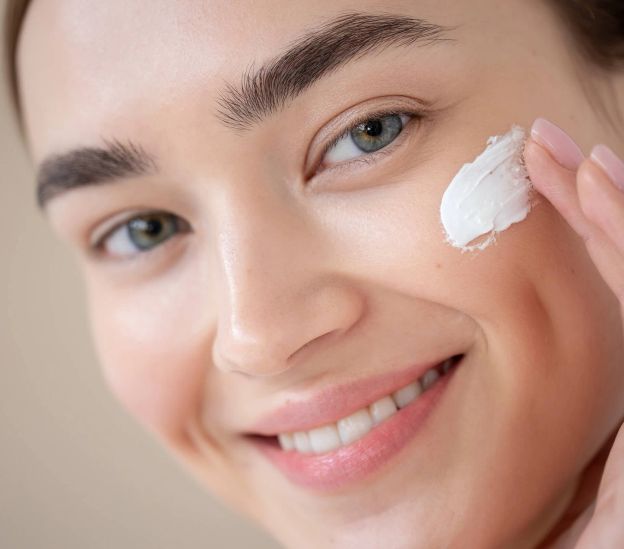
2. Moisturize. Even oily skin needs moisture. A lightweight, noncomedogenic moisturizer keeps your skin barrier healthy and prevents your skin from overproducing oil to compensate for dryness.
3. Apply sunscreen. Use a broad-spectrum SPF every morning. Sun damage darkens acne marks, ages your skin prematurely, and keeps post-breakout spots lingering far longer than they should.
Evening Routine
1. Cleanse again. Wash away the full day of sunscreen, sweat, oil, and grime. If you wear heavy makeup, remove it first with a gentle makeup remover, then cleanse as usual.
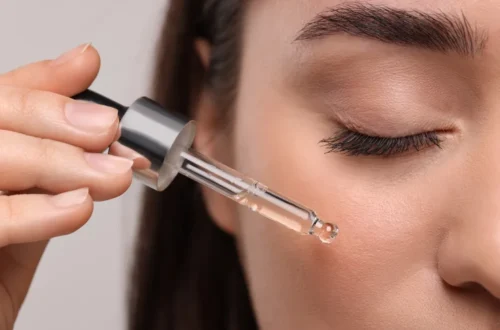
2. Treat (optional). This is where you add a targeted treatment such as a retinoid, benzoyl peroxide, or salicylic acid product for breakouts. Start slowly — two or three nights per week — and increase as your skin tolerates it.
3. Moisturize. Lock everything in with moisturizer to support your skin while you sleep.
That is the entire routine. If you are consistent with just these steps, you are already ahead of most people.
Step 2: Keep It Gentle
It is tempting to scrub, exfoliate aggressively, or pile on strong treatments when your skin is breaking out. This almost always backfires. Irritation damages your skin barrier, which leads to more redness, more sensitivity, and often more breakouts.
Practical rules for staying gentle:
- Wash twice a day at most, plus after heavy sweating. Over-washing does not prevent acne — it irritates skin.
- Use lukewarm water, not hot. Hot water strips natural oils and leaves skin tight and dry.
- Pat your face dry with a clean towel instead of rubbing.
- When introducing a new product, add only one at a time and give it at least two weeks before judging the results.
- Avoid products with heavy fragrance or drying alcohols if your skin is sensitive or reactive.
Think of your skin like a garden, not a battlefield. Nurturing it works better than attacking it.
Step 3: Use Targeted Treatments the Smart Way
When breakouts keep coming despite a good routine, a targeted treatment can help. The most common over-the-counter options include:
- Salicylic acid: A chemical exfoliant that clears out clogged pores. Best for blackheads and whiteheads.
- Benzoyl peroxide: Kills acne-causing bacteria and reduces inflammation. Best for inflamed pimples.
- Retinoids: Unclog pores, smooth texture, and fade dark marks over time. Best as a long-term investment, but start slowly because they can irritate at first.
- Niacinamide: Helps regulate oil production, calm redness, and strengthen the skin barrier.
One warning: more is not better. Layering several strong actives at once is one of the fastest ways to damage your skin barrier. Dermatologists advise keeping the rest of your routine gentle when you use acne medications, pairing them with a mild cleanser and moisturizer — a point reinforced by the American Academy of Dermatology in its guidance on treating acne safely.
Step 4: Fix the Habits That Cause Breakouts
Products are only half the equation. Everyday habits quietly influence your skin more than most people realize. These are the ones worth fixing:
Stop touching your face
Your hands collect dirt, oil, and bacteria throughout the day. Every time you rest your chin on your hand or pick at a spot, you transfer that onto your skin. Picking and squeezing pimples also increases the risk of scarring. Keep your hands off your face and let spots heal on their own.
Change your pillowcase regularly
Your pillowcase collects oil, dead skin, and hair products every night. Sleeping on a dirty pillowcase presses all of that back into your skin. Change it at least once or twice a week.
Clean your phone screen
Your phone touches your cheek dozens of times a day, and its screen is a magnet for oil and bacteria. Wipe it down regularly with a gentle disinfectant wipe.
Wash your hair and keep it off your face
Heavy hair products can travel onto your forehead and cause breakouts along the hairline. If you are prone to forehead acne, keep hair off your face while you sleep and make sure your shampoo rinses clean.
Manage stress and sleep
Chronic stress raises cortisol, which can increase oil production and inflammation. Poor sleep does the same and slows healing. You do not need perfect sleep hygiene, but getting roughly seven to eight hours and finding a way to decompress daily genuinely shows up in your skin.
Watch your diet — loosely
No single food causes acne for everyone, but high-glycemic foods and dairy seem to trigger breakouts in some people. Pay attention to patterns rather than following strict rules. If you notice breakouts flaring after certain foods, experiment with cutting back and see what happens.
Step 5: Be Patient — Clear Skin Takes Time
This is the part nobody wants to hear, but it matters most. Skin takes time to respond. A new routine or treatment needs at least four to six weeks before you can fairly judge whether it is working, because that is roughly how long it takes for your skin to complete a full renewal cycle.
That timeline also means early irritation is not always a sign of failure. Mild dryness or flaking when you start a retinoid is normal; widespread burning, swelling, or new painful breakouts are not. Learn to tell the difference, and when in doubt, scale back to the basics and try again more slowly.
If you have been consistent for two to three months with no improvement, or if your acne is severe, painful, or leaving scars, see a board-certified dermatologist. Prescription treatments exist for a reason, and getting professional help early can save you years of frustration and scarring.
Common Mistakes to Avoid
- Using too many products at once. This irritates skin and makes it impossible to tell what is actually helping.
- Skipping moisturizer because your skin is oily. Dehydrated skin produces even more oil. Moisturize daily.
- Skipping sunscreen. UV damage darkens acne marks and makes them linger for months.
- Expecting overnight results. Clear skin is built over weeks, not days.
- Copying viral hacks without checking them. Many social media skin trends are ineffective at best and damaging at worst. Stick to approaches backed by dermatologists.
- Sleeping in makeup. Even once in a while, it clogs pores and undoes days of good care.
Frequently Asked Questions
How long does it take to get clear skin?
With a consistent routine, most people see noticeable improvement within four to eight weeks. Full results — including fading dark marks — typically take two to three months. Stick with a routine for at least six weeks before deciding it is not working.
Can you get clear skin without products?
A basic routine really only requires a gentle cleanser, moisturizer, and sunscreen. Habits like not touching your face, changing pillowcases, managing stress, and sleeping well all help significantly. But active breakouts often need at least one targeted treatment product to resolve fully.
Does drinking water help clear skin?
Staying hydrated is good for your overall health, but drinking extra water beyond your normal needs will not magically clear acne. It supports healthy skin function alongside a good routine — it is not a replacement for one.
Is clear skin possible for oily or acne-prone skin?
Absolutely. Oily and acne-prone skin responds very well to the right routine: a suitable cleanser, lightweight noncomedogenic moisturizer, daily sunscreen, and a targeted treatment used consistently. Many people with oily skin see their skin improve dramatically once they stop over-washing and over-treating.
The Bottom Line
Getting clear skin comes down to five things: a simple consistent routine, gentle products, one well-chosen treatment, better daily habits, and patience. You do not need a shelf full of expensive products or the latest viral hack. Start with the basics, stay consistent for a few weeks, and adjust based on how your skin responds.
Your skin is capable of looking better than it does right now — it mostly needs you to stop working against it and give it the steady, gentle care it has been asking for all along.