Finding the best skincare products can feel like searching for a needle in a haystack. Walk into any beauty aisle or scroll through any online store, and you are met with thousands of cleansers, serums, moisturizers, and sunscreens — each promising flawless, glowing skin. The truth is simpler than the marketing suggests: great skin comes from the right products used in the right order, not from the biggest shelf of bottles.
Dermatologists consistently agree that the best skincare products are the ones that match your skin type, contain proven ingredients, and are gentle enough for everyday use. In this 2026 guide, we break down exactly which product categories matter most, the ingredients worth paying for, how to build a routine that actually works, and the common mistakes that waste money and harm your skin.
What Makes a Skincare Product Truly Great?
Before listing categories, it helps to know how dermatologists judge a product. The best skincare products share four qualities:
- Formulated for your skin type. A rich cream that saves dry skin can overwhelm oily skin. Look for labels that name your skin type — dry, oily, combination, sensitive, or normal.
- Proven active ingredients. Ingredients like niacinamide, ceramides, hyaluronic acid, vitamin C, retinoids, and salicylic acid have real research behind them. Marketing buzzwords alone are not evidence.
- Gentle on the skin barrier. Fragrance-heavy formulas, harsh alcohols, and aggressive scrubs can damage the protective barrier your skin depends on. The best skincare products cleanse and treat without stripping.
- Consistent with your routine. A product you will actually use every morning and night beats a fancy one you abandon after a week. Simplicity wins.
The 5 Essential Product Categories
A complete routine does not need ten steps. These five categories cover everything your skin needs, from cleansing to protection.
1. Cleanser
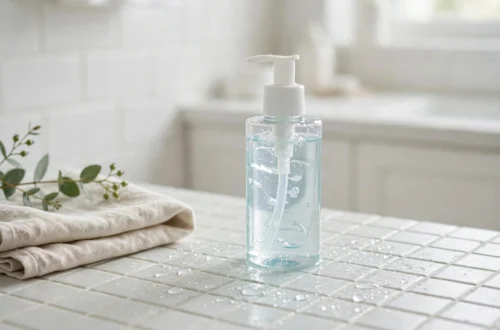
Everything starts with cleansing. A good cleanser removes dirt, oil, sunscreen, and makeup without leaving skin tight or squeaky.
- Gentle foaming cleansers suit normal to oily skin.
- Cream or milky cleansers suit dry or sensitive skin.
- Gel cleansers are a middle ground for combination skin.
Look for sulfate-free formulas with hydrating ingredients like glycerin or ceramides. If your skin feels stripped after washing, your cleanser is too harsh — switch to something milder rather than layering more moisturizer on top.
2. Moisturizer
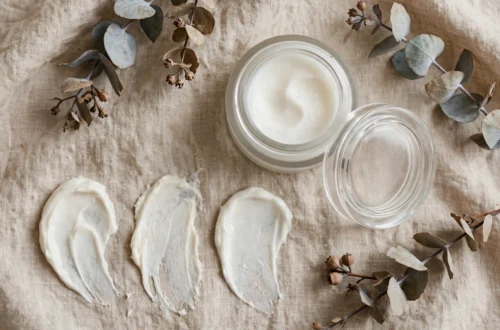
Moisturizer is arguably the most important of the best skincare products. It traps water in the skin and reinforces the barrier that keeps irritants out.
- Lotions are lightweight and good for daytime or oilier skin.
- Creams are richer and better for dry or mature skin.
- Ointments are the most protective, ideal for very dry or cracked areas.
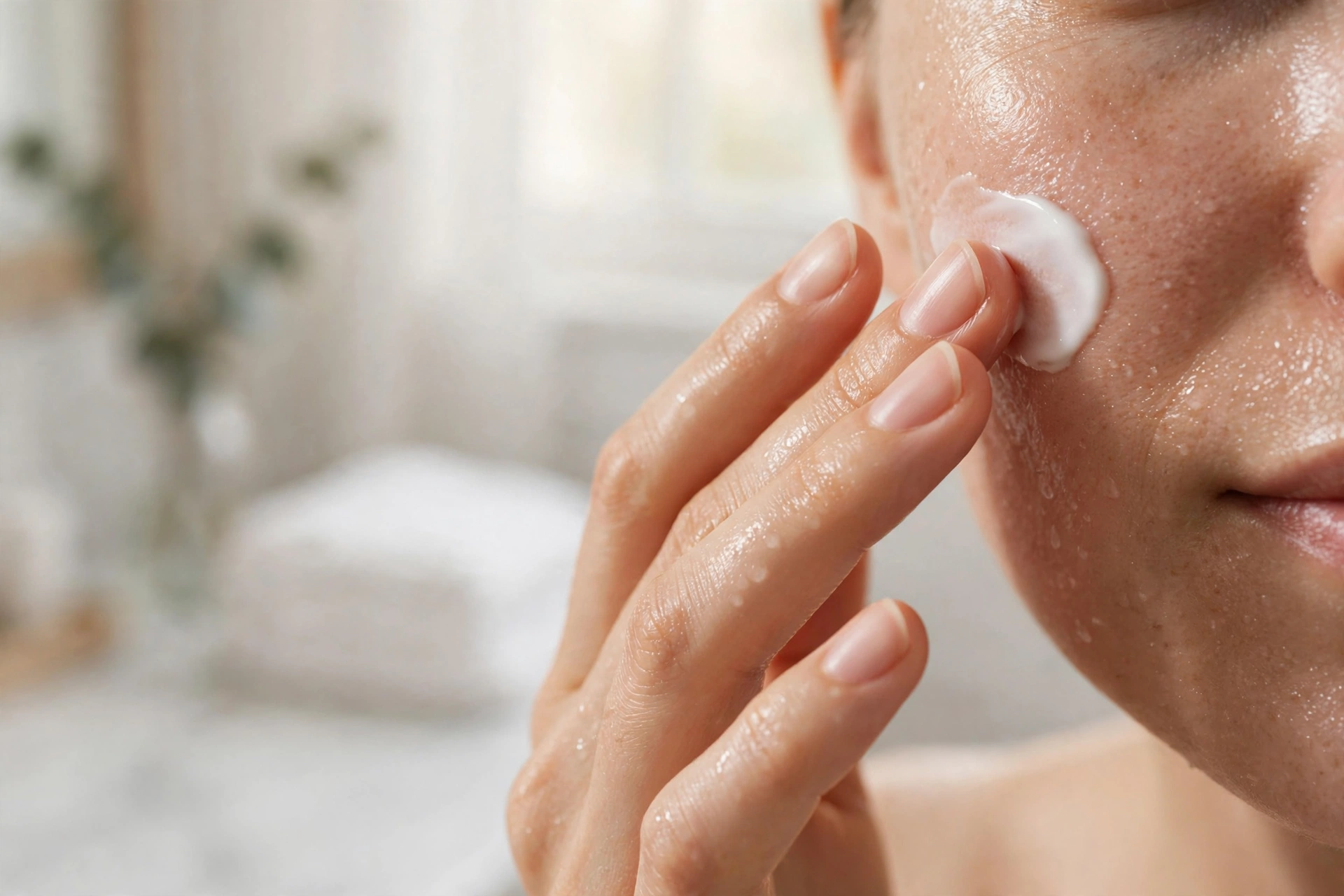
Ingredients to look for include ceramides, hyaluronic acid, glycerin, squalane, and shea butter. The American Academy of Dermatology notes that applying moisturizer within a few minutes of washing traps existing moisture in the skin, which dramatically improves effectiveness — timing matters as much as the product itself.
3. Sunscreen
If you buy only one product, make it sunscreen. Ultraviolet radiation is responsible for up to 80% of visible skin aging, including wrinkles, dark spots, and loss of firmness.
- Choose broad-spectrum SPF 30 or higher.
- Reapply every two hours outdoors and after swimming or sweating.
- Mineral formulas (zinc oxide, titanium dioxide) suit sensitive skin; chemical filters suit deeper skin tones that dislike white cast.
Sunscreen is the one step dermatologists refuse to skip, because no serum can undo years of unprotected sun exposure.
4. Serum
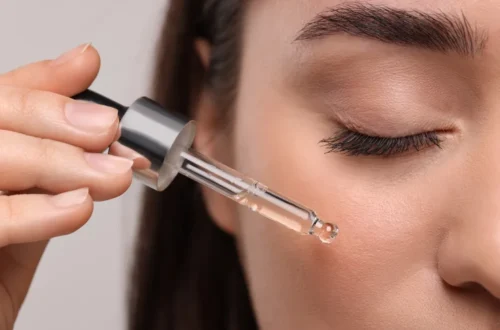
Serums deliver concentrated active ingredients where they are needed most. Unlike moisturizers, which mostly seal and hydrate, serums target specific concerns:
- Vitamin C serums brighten dull skin and defend against free radicals.
- Niacinamide serums calm redness, shrink the look of pores, and regulate oil.
- Hyaluronic acid serums pull moisture into the skin for a plump, hydrated look.
- Retinoid serums (used at night) smooth fine lines and improve texture over time.
You do not need all of them. Pick one or two serums that match your top concerns and give each at least four to six weeks before judging results.
5. Exfoliant
Exfoliation removes dead skin cells so your other products can penetrate better. But more is not better — over-exfoliation is one of the most common causes of irritation.
- Chemical exfoliants (AHAs like glycolic acid, BHAs like salicylic acid) are preferred over harsh physical scrubs.
- Limit use to 2–3 times per week.
- If your skin stings, peels excessively, or looks shiny-thin, cut back.
How to Build Your Routine: Step by Step
Product order matters. Apply products from thinnest to thickest so each layer can absorb properly.
Morning routine:
- Cleanse with a gentle cleanser.
- Apply serum (vitamin C or niacinamide work well in the morning).
- Moisturize.
- Apply sunscreen as the final step.
Evening routine:
- Remove makeup and sunscreen with a gentle cleanser (double cleanse if you wear heavy makeup).
- Apply treatment serum (retinoid or exfoliant on exfoliant nights).
- Moisturize with a slightly richer cream.
Give new products at least two weeks — ideally a full month — before deciding whether they work. Skin cell turnover takes about 28 days, so judging a product after three days is premature.
Ingredients Worth Your Money (and Ones to Skip)
Not every trending ingredient deserves a place in your routine. Here is how dermatologists generally rank the most popular ones:
Worth it:
- Ceramides — rebuild the skin barrier
- Niacinamide — multi-benefit workhorse for redness, pores, and oil
- Vitamin C — antioxidant protection and brightness
- Hyaluronic acid — hydration without heaviness
- Retinoids — the gold standard for texture and fine lines
- Salicylic acid — penetrates pores to clear blackheads
Skip or use with caution:
- High-concentration essential oils and heavy fragrance — common irritation triggers
- Harsh physical scrubs with jagged particles — micro-tears in the skin
- Products promising “overnight miracles” — as dermatologists warn, exaggerated claims are too good to be true, so keep expectations realistic
Mistakes That Make Even the Best Skincare Products Fail
- Using too many products at once. Layering five new actives in one week causes redness, stinging, and breakouts. Introduce one product at a time.
- Skipping sunscreen. All the serums in the world cannot fix sun damage that keeps accumulating daily.
- Expecting instant results. Real change takes weeks, not days.
- Ignoring your skin type. No single product works for everyone — what saves your friend’s oily skin may wreck your dry skin.
- Not reading labels. Look for “non-comedogenic” if you are acne-prone and “fragrance-free” if you are sensitive.
What About Price? Do Expensive Products Work Better?
Not necessarily. Dermatologists consistently say that effective skincare products come in all price ranges, and a higher price tag does not guarantee better results. What matters is the formula: the right ingredients at effective concentrations, in a base your skin tolerates. Many affordable drugstore products outperform luxury bottles that are mostly fragrance and packaging. Spend where it counts — a proven active ingredient — not on branding.
Quick Product Checklist
Use this checklist before buying any of the best skincare products:
- Matches my skin type (dry, oily, combination, sensitive, normal)
- Contains a proven active ingredient for my concern
- Free of harsh fragrance if my skin is sensitive
- Fits my budget — I will actually repurchase it
- I am adding only one new product to my routine this month
For dermatologist guidance on choosing skincare products with confidence — including how to read labels and set realistic expectations — see the American Academy of Dermatology’s advice: how to select skin care products from board-certified dermatologists.
If your main struggle is tightness, flaking, or roughness, read our companion guide: best skincare products for dry skin for a routine built specifically around intense hydration.
Frequently Asked Questions
What are the best skincare products for beginners?
Start with four basics: a gentle cleanser, a moisturizer suited to your skin type, a broad-spectrum SPF 30 sunscreen, and one serum targeting your main concern. This simple routine covers cleansing, hydration, protection, and treatment without overwhelming your skin or your budget.
How long does it take for skincare products to work?
Most products need four to six weeks of consistent use before you can fairly judge them, because skin cell turnover takes about 28 days. Hydrating ingredients like hyaluronic acid show results faster, while retinoids and vitamin C need patience to reveal full benefits.
Can I mix different skincare brands?
Yes. Brands are not designed to be used as complete sets, and mixing is perfectly fine. What matters is ingredient compatibility — for example, do not layer strong acids with retinoids in the same routine unless your dermatologist advises it. Introduce one new product at a time so you can spot any that irritate.
Do I really need sunscreen every day?
Yes. UV rays reach your skin even on cloudy days and through windows. Daily broad-spectrum SPF 30 is the single most effective anti-aging and skin-protecting step you can take, and dermatologists rank it alongside moisturizer as the two most important products you can buy.
Are natural or organic skincare products better?
Not automatically. “Natural” is not a regulated term in skincare, and many natural ingredients (like essential oils or citrus extracts) can irritate sensitive skin. Judge products by their ingredients and evidence, not by whether the label says natural.
How do I know if a product is irritating my skin?
Warning signs include stinging or burning on application, new redness that persists for hours, flaking or peeling beyond mild exfoliation, and sudden breakouts after introducing a product. Stop the suspect product, simplify your routine to cleanser and moisturizer, and reintroduce products one at a time once your skin calms down.