If your forehead is shiny by midday and your pores clog easily, choosing the best cleanser for oily skin is one of the highest-impact changes you can make to your routine. Cleansing is the foundation of every skincare routine, and for oily skin it matters even more: the right cleanser removes excess oil, sweat, and buildup without stripping your skin, while the wrong one can trigger more oil production and breakouts. This guide explains what to look for, how to use it, and what to avoid.
Why Oily Skin Needs the Right Cleanser
Oily skin produces more sebum — the natural oil your skin makes — than other skin types. Sebum itself is not the enemy; it keeps skin supple and protected. But excess sebum mixes with dead skin cells, makeup, and pollution to clog pores, which leads to blackheads, whiteheads, and breakouts. A well-chosen cleanser clears this mixture away twice a day, keeping pores clearer and shine under control.
Here is the catch: harsh cleansers that leave your skin feeling squeaky-clean are usually doing more harm than good. Stripping away all oil signals your skin to produce even more sebum to compensate, creating a frustrating cycle of oiliness. The goal is balanced cleansing — removing the excess while preserving the skin’s protective barrier. Getting this balance right makes every other product in your routine work better too.
Cleanser Types: Which Formula Suits Oily Skin?
Cleansers come in several formats, and some work far better for oily skin than others:
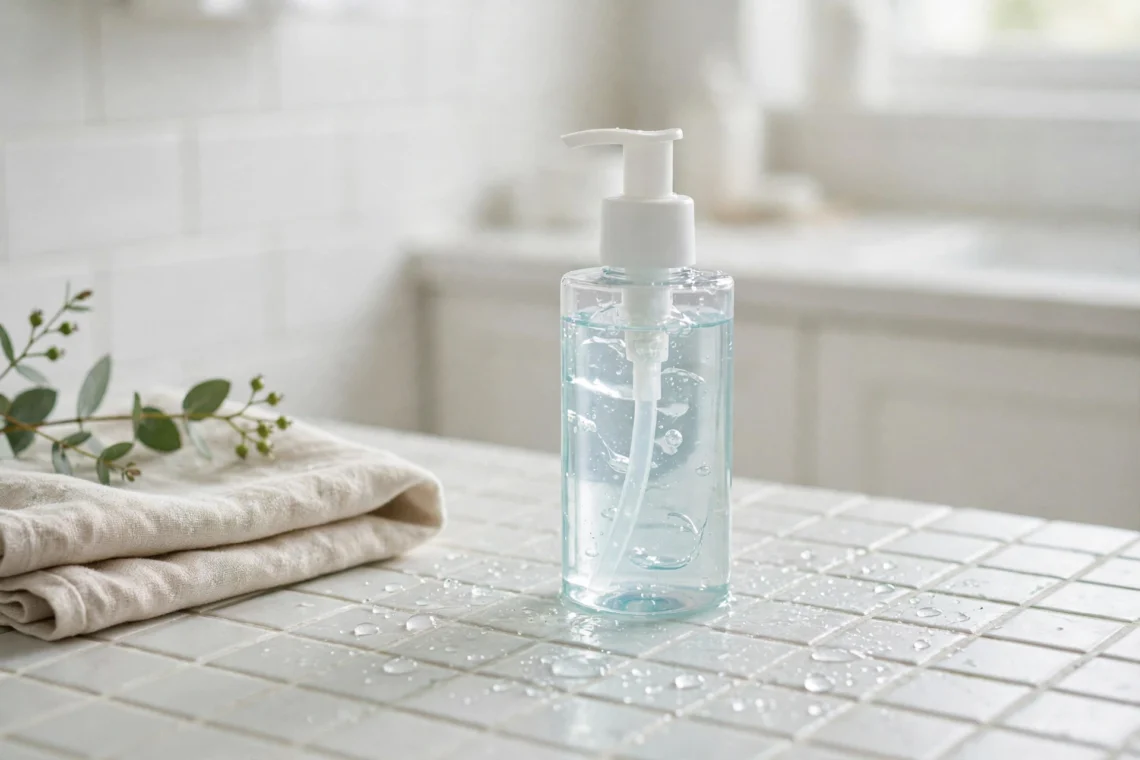
- Gel cleansers — the top pick for oily skin. They cleanse deeply, remove excess oil effectively, and usually rinse clean without residue.
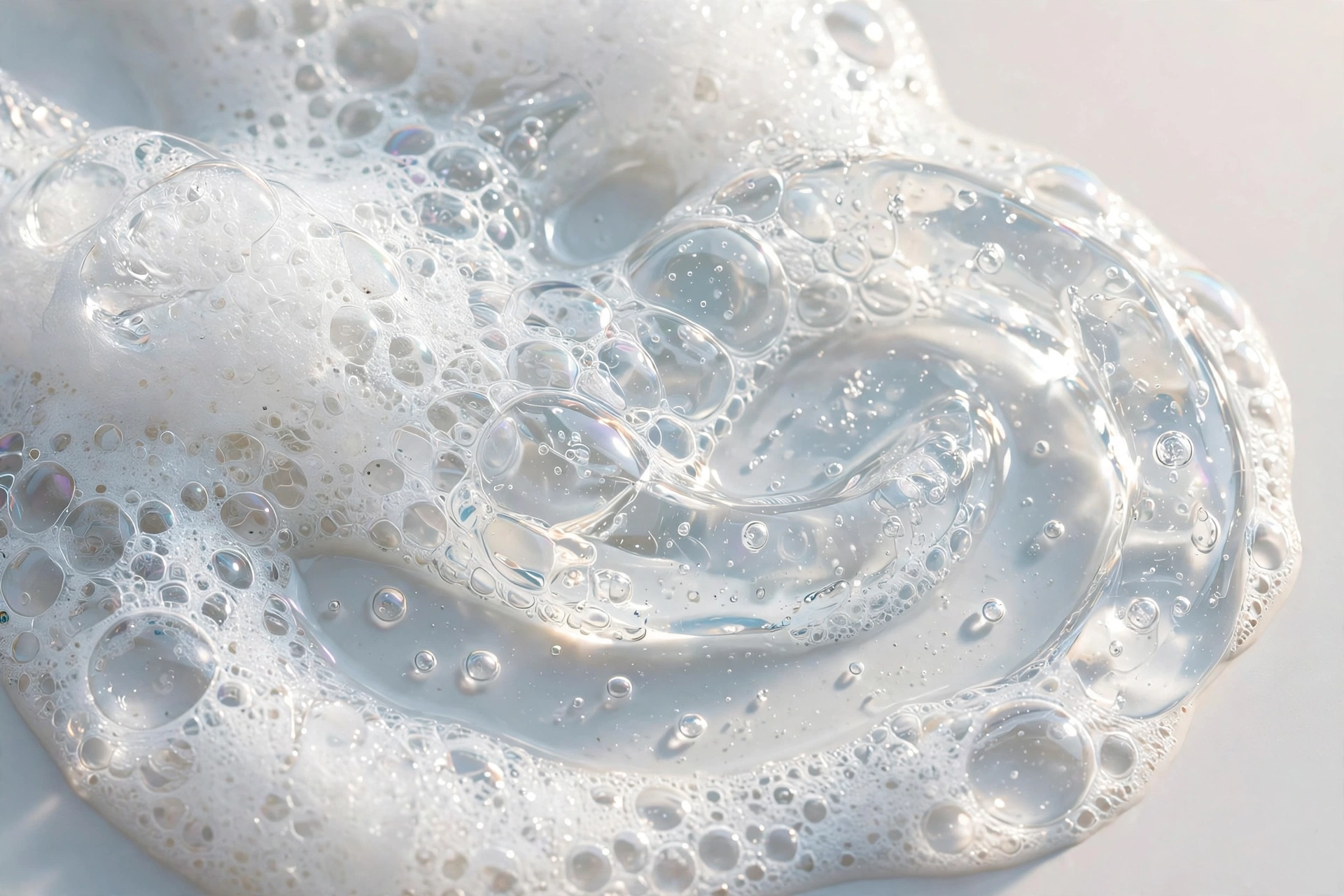
- Foaming cleansers — also effective for oily skin, but choose gentle foaming formulas rather than harsh, high-detergent ones that strip the skin.
- Cream and milky cleansers — better suited to dry skin; they can leave oily skin feeling under-cleansed.
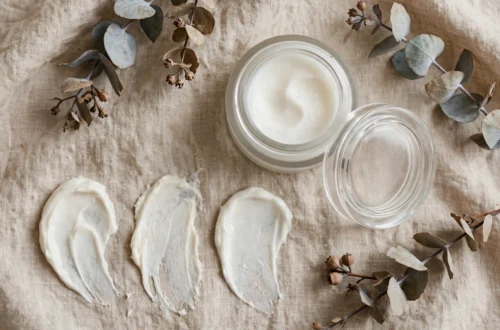
- Oil cleansers and balms — surprisingly useful as a first cleanse in the evening to dissolve sunscreen and makeup, followed by a gel or foaming second cleanse.
- Micellar water — a decent option for light cleansing or as a morning refresh, but usually not thorough enough as your main cleanser for oily skin.
Many people with oily skin do well with a simple gel cleanser used morning and night, optionally adding an oil-based first cleanse in the evening if they wear sunscreen or makeup. Keep your routine simple at first and add steps only if your skin needs them.
Key Ingredients That Help Oily Skin
Certain ingredients give a cleanser extra power against oil and clogged pores. Expert tips on caring for oily skin recommend cleansers with gentle exfoliating acids and non-stripping formulas. Here are the ingredients worth seeking out:
Salicylic Acid
Salicylic acid is a beta hydroxy acid that can penetrate into pores and dissolve the oil and dead cells that clog them. It is one of the most effective ingredients in a cleanser for oily, acne-prone skin. Because it washes off after a short contact time, cleansers with a modest concentration work well for daily use without being too harsh.
Glycolic and Lactic Acid
These alpha hydroxy acids gently exfoliate the skin’s surface, helping to keep pores clear and improve texture over time. They are milder than salicylic acid and can be a good option if your oily skin is also slightly sensitive.
Niacinamide
Niacinamide is a form of vitamin B3 that helps regulate sebum production and supports the skin barrier. Cleansers containing it can help skin feel balanced rather than stripped.
Gentle Surfactants
The cleansing agents themselves matter. Look for products described as gentle, balanced, or non-stripping. Avoid cleansers with very strong detergents that create an extremely tight, dry feeling after washing — that tightness is a warning sign, not a sign of cleanliness.
How to Wash Your Face the Right Way
Technique matters as much as the product. Follow these steps for the best results:
- Use lukewarm water. Hot water can irritate skin and stimulate more oil production; cold water does not cleanse as effectively. Lukewarm is the sweet spot.
- Massage gently for about a minute. Apply a coin-sized amount of cleanser and massage in circular motions for 30 to 60 seconds. This gives the active ingredients time to work — rushing through in five seconds wastes most of the benefit.
- Do not scrub. Avoid rough washcloths, stiff brushes, and harsh physical scrubs. Gentle fingertip massage is all oily skin needs; aggressive scrubbing irritates skin and can worsen breakouts.
- Rinse thoroughly. Leftover cleanser residue can clog pores and cause irritation. Splash at least a dozen times or rinse patiently until the skin feels clean but not tight.
- Pat dry with a clean towel. Use a clean towel and pat gently rather than rubbing. Wash your face towel frequently to avoid transferring bacteria back onto your skin.
- Moisturize immediately after. Yes — even oily skin needs moisturizer. Skipping it tells your skin to overproduce oil. Choose a lightweight, oil-free, noncomedogenic gel or lotion. For comparison, dry skin has the opposite needs, as explained in our guide to the best moisturizer for dry skin.
The Double Cleansing Method: When It Helps
Double cleansing means washing twice: first with an oil-based cleanser or balm, then with a water-based gel or foaming cleanser. The first cleanse dissolves oil-based buildup — sunscreen, makeup, and excess sebum — while the second removes water-based debris like sweat and dirt. This method is especially useful in the evening if you wear sunscreen daily, which you should.
However, double cleansing twice a day is usually overkill and can irritate even oily skin. Most people do best double cleansing only at night, and using a single gentle cleanser in the morning. Listen to your skin: if it feels tight or looks red, scale back.
Common Mistakes That Make Oily Skin Worse
A few well-meaning habits actually increase oiliness and breakouts:
- Overwashing. Washing three, four, or more times a day strips the skin and triggers rebound oil production. Stick to twice daily, plus after heavy sweating or exercise.
- Using alcohol-heavy products. Astringent toners loaded with alcohol give a temporary matte feeling but dry out and irritate skin, often causing more oiliness over time.
- Skipping moisturizer. Dehydrated oily skin compensates by producing more sebum. A lightweight moisturizer is essential, not optional.
- Skipping sunscreen. Some people avoid sunscreen because it feels greasy, but UV damage thickens skin and worsens clogged pores. Choose a lightweight, oil-free sunscreen formulated for oily skin.
- Touching your face constantly. Hands carry oil and bacteria. Reducing face-touching cuts down on breakouts more than most people expect.
Building a Simple Oily Skin Routine
A cleanser is the foundation, but it works best as part of a short, consistent routine. A practical daily structure looks like this: cleanse morning and night; follow with a lightweight exfoliating toner a few times per week if your skin tolerates it; apply a lightweight, oil-free moisturizer; and finish with oil-free sunscreen every morning. In the evening, swap sunscreen for any treatment product your skin needs.
Resist the urge to add many products at once. Introduce one new product at a time and give it at least two weeks before judging the results. Oily skin responds well to consistency — a simple routine followed faithfully outperforms a complicated one followed sporadically.
When to See a Dermatologist
Over-the-counter cleansers and routines handle most everyday oiliness. But if you have persistent, painful breakouts, deep cystic acne, or oiliness that does not improve after several weeks of a consistent routine, a dermatologist can help. Prescription treatments, hormonal evaluation, and professional guidance can address causes that no cleanser can fix on its own. There is no shame in getting expert help — it often saves months of trial and error.
Frequently Asked Questions
How many times a day should I wash oily skin?
Twice a day — morning and night — is right for most people, plus once more after heavy sweating or exercise. Washing more often than that can strip the skin and trigger even more oil production.
Is a gel or foaming cleanser better for oily skin?
Both can work well. Gel cleansers are often the top choice because they remove oil effectively and rinse clean. Gentle foaming cleansers are also fine — just avoid harsh, high-detergent formulas that leave skin feeling tight and dry.
Should oily skin use moisturizer?
Absolutely. All skin types need moisturizer, including oily skin. Skipping it can cause dehydration, which signals the skin to produce more oil. Choose a lightweight, oil-free, noncomedogenic formula.
Does double cleansing help oily skin?
It can help in the evening, especially if you wear sunscreen or makeup, because the oil-based first cleanse dissolves oil-based buildup effectively. Once a day at night is enough for most people; double cleansing morning and night is usually too much.
Can I use the same cleanser morning and night?
Yes, a gentle gel cleanser works well for both. Some people prefer a lighter cleanse in the morning and a deeper double cleanse at night, which is also a perfectly good approach.