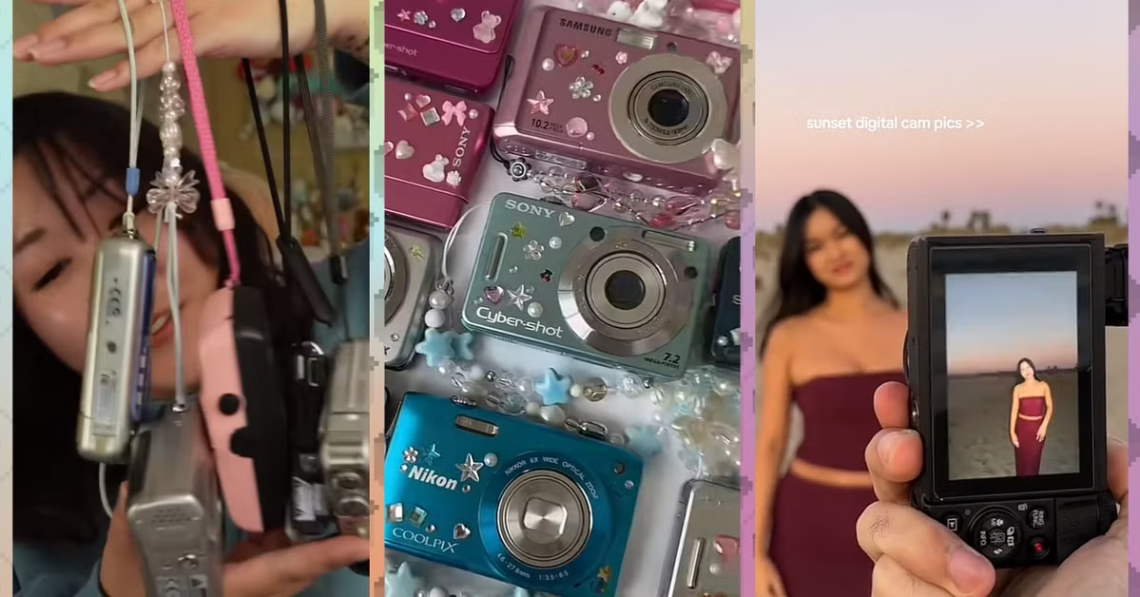
A few years ago, almost everyone believed smartphone cameras would completely replace compact digital cameras. Modern phones became faster, sharper, and packed with artificial intelligence features designed to make every image look technically perfect. But something unexpected happened: young women across the United States started buying old digital cameras again.
Not because they were better on paper — but because they made photos feel more real.
The rise of vintage digital cameras is deeply connected to modern nostalgia culture. Platforms like TikTok, Pinterest, and Instagram helped popularize the “Y2K memory” aesthetic, where slightly blurry flash photos, grainy night shots, and imperfect candid moments suddenly became more desirable than polished HD images.
For many girls, smartphone photography started feeling emotionally empty. Phone cameras are designed to optimize every detail automatically: skin becomes smoother, colors become cleaner, lighting becomes balanced, and imperfections disappear. While technically impressive, this often removes the emotional texture from the image itself.
Vintage digicams do the opposite.
Old compact cameras from the early 2000s capture moments in a softer, less controlled way. Their CCD sensors produce warmer highlights, stronger flash effects, and slightly unpredictable colors that instantly create a nostalgic atmosphere. A random photo taken during a late-night drive or dinner with friends suddenly feels like a memory instead of content.
This emotional quality is exactly why retro digital cameras became so popular among Gen Z and young millennial women. Photography is no longer only about visual perfection. It’s about storytelling, mood, and personality.
Many creators now intentionally avoid over-editing their photos because they want moments to feel authentic. The tiny flaws produced by older cameras — motion blur, low-light grain, overexposed flash — make images feel alive. Ironically, the imperfections are what make the memories more beautiful.
Another reason vintage cameras resonate so strongly with women today is the experience of using them. Taking photos on a separate device changes the psychology of photography itself. Instead of mindlessly taking dozens of shots on a phone, people become more intentional with every frame. The process feels slower and more personal.
Fashion trends also play a huge role in the comeback. Y2K-inspired clothing, indie aesthetics, ballet-core fashion, and nostalgic accessories all pair naturally with silver compact cameras and retro electronics. Carrying a tiny Canon PowerShot or Sony Cyber-shot has almost become part of personal style.
Travel culture accelerated the trend even more. Many girls now bring vintage cameras on vacations specifically because the photos feel softer and more cinematic. Beach sunsets, café mornings, blurry city lights, and spontaneous road trip moments look emotionally richer through older lenses.
Social media ironically contributed to the return of less-perfect photography. After years of highly curated influencer content, audiences started craving something more genuine. Retro cameras create photos that feel spontaneous and emotionally believable instead of being heavily optimized for engagement.
However, finding reliable vintage cameras is not always easy. Many older devices sold through random marketplaces may have battery issues, damaged sensors, or broken flash systems. That’s why curated vintage camera shops became increasingly popular among beginners entering the trend.
Stores like https://sesko.store specialize in tested retro digital cameras, camcorders, and film cameras that match the growing demand for nostalgic photography aesthetics.
Ultimately, the return of vintage digital cameras says something important about modern culture. People are exhausted by perfection. They want photos that capture atmosphere instead of accuracy. They want memories that feel human instead of algorithmically enhanced.
And sometimes, an old digital camera from 2004 captures that feeling better than the newest smartphone ever could.