Aloe vera has been used in skincare for thousands of years, from ancient Egypt — where it was reportedly called the “plant of immortality” — to the gel-filled leaves sitting on modern bathroom shelves. But beyond the hype, what does this humble succulent actually do for your face? Quite a lot, as it turns out. The clear gel inside aloe leaves is packed with vitamins, enzymes, amino acids, and anti-inflammatory compounds that make it one of the most versatile natural ingredients in skincare.
Whether you are dealing with dryness, irritation, breakouts, or just want a simple, affordable addition to your routine, aloe vera deserves a closer look. This guide covers the real benefits for facial skin, exactly how to use it, a few easy DIY mask recipes, and the safety precautions worth knowing.
Top Aloe Vera Benefits for Face
It Soothes Irritation and Sunburn
This is aloe’s most famous talent, and it is well earned. The gel contains compounds like acemannan and bradykinase that help calm redness and discomfort. After a day in the sun, a too-harsh exfoliant, or a bout of razor burn, a thin layer of pure aloe gel can bring quick relief. It is also a favorite for calming skin after shaving — in fact, many people use it on their legs too, which is why it pairs so well with a good routine for smoother, bump-free legs.
It Hydrates Without Feeling Heavy
Aloe gel is roughly 99 percent water, and it delivers that moisture in a featherlight form. Unlike heavy creams, it absorbs quickly and does not leave a greasy film, which makes it ideal for oily and combination skin types that still need hydration. It also contains humectant-like properties that help skin hold onto water, so it layers beautifully under your regular moisturizer.
It May Help Acne-Prone Skin
Aloe vera has mild antibacterial and anti-inflammatory properties, which is a useful combination for breakout-prone skin. It will not replace a proper acne treatment, but as a soothing, non-comedogenic layer it can calm the redness around blemishes without clogging pores. Some studies suggest its compounds may help inhibit the growth of common acne-causing bacteria, making it a sensible supporting player in an anti-acne routine.
It Supports a More Even-Looking Complexion
Over time, consistent use of aloe may help fade the look of dark spots and post-blemish marks. Compounds in the gel, including aloin and aloesin, have been studied for their potential to discourage excess melanin production. The effect is gradual and subtle — this is not a bleaching treatment — but as part of a brightening routine with sunscreen, it can contribute to a more even tone.
It Delivers Antioxidant Support
Aloe contains vitamins C and E along with beta-carotene, all antioxidants that help defend skin against environmental stress. While no topical ingredient stops aging, antioxidant support combined with daily sunscreen is one of the most sensible long-term strategies for keeping skin looking healthy.
How to Use Aloe Vera on Your Face: Step by Step
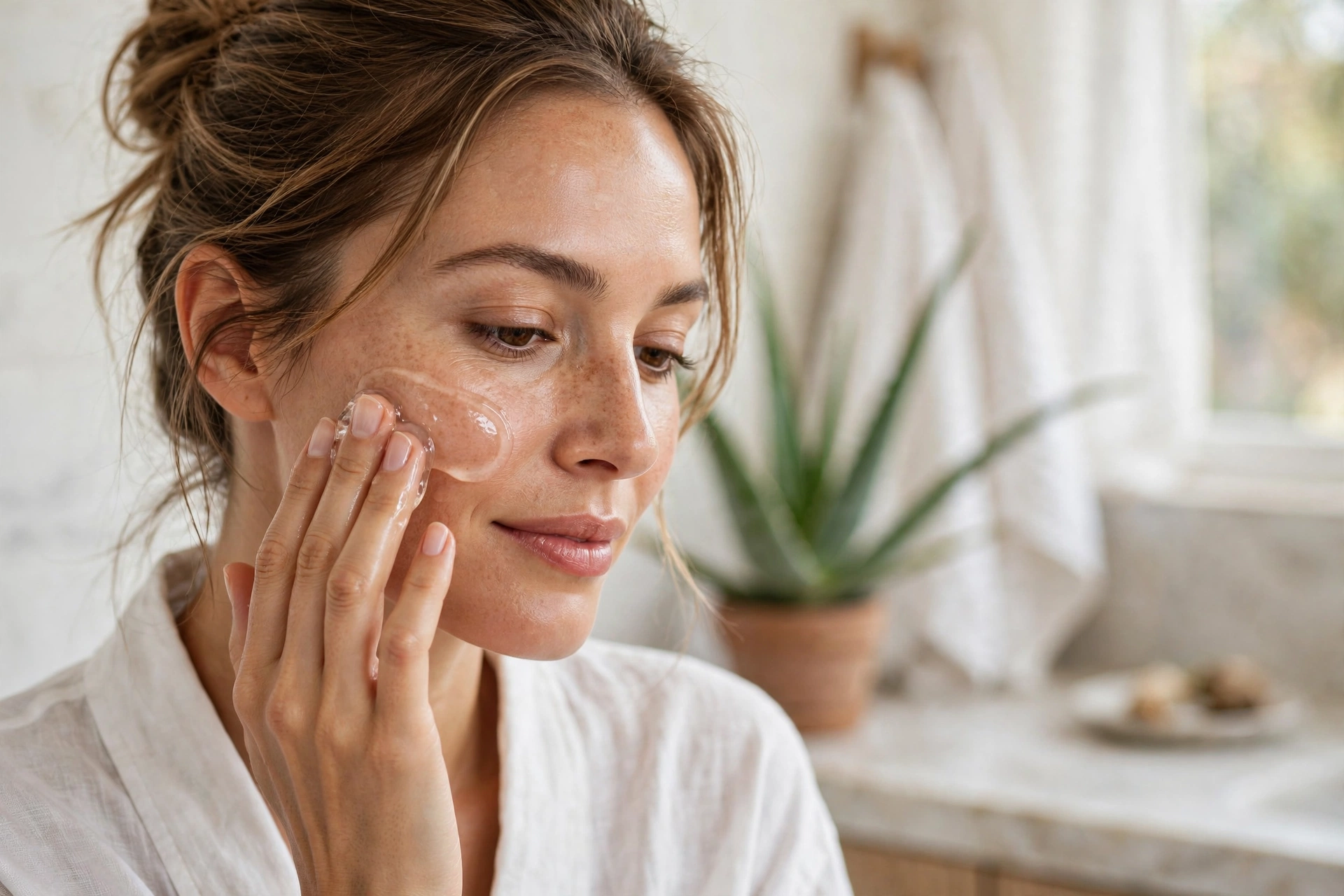
Getting the benefits is simple, but a little technique goes a long way:
- Patch test first. Apply a small amount to your jawline or behind your ear and wait 24 hours. True aloe allergies are rare, but sensitivity happens.
- Start with a clean face. Wash with your regular gentle cleanser and pat skin until it is just slightly damp.
- Apply a thin layer. A pea-sized amount of gel is plenty for the whole face. Massage it in gently with upward motions and avoid the immediate eye area.
- Let it absorb. Give it a minute or two to sink in before layering anything else on top.
- Seal it in. Follow with your moisturizer, especially if your skin is dry — aloe hydrates, but a cream or lotion locks that hydration in.
- Use it once or twice daily. Morning and night both work; in the morning, always finish with sunscreen.
3 Simple DIY Aloe Vera Face Masks
You do not need a complicated recipe to benefit from aloe. These three masks take minutes to mix:
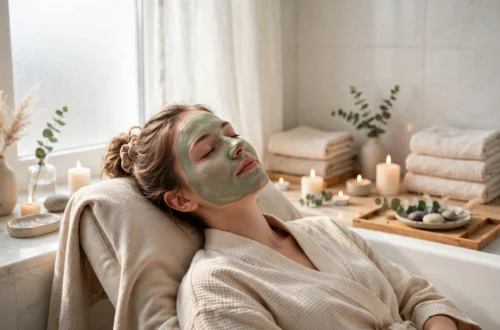
- Soothing honey mask: Mix two tablespoons of pure aloe gel with one teaspoon of raw honey. Apply for 10 to 15 minutes, then rinse with lukewarm water. Great for irritated or dull skin.
- Calming oatmeal mask: Combine two tablespoons of aloe gel with one tablespoon of finely ground oatmeal and a splash of cool water to form a paste. Leave on for 10 minutes. Ideal after sun exposure.
- Refreshing rosewater mask: Stir one tablespoon of rosewater into two tablespoons of aloe gel. Apply as a light hydrating mask for 10 minutes, or use it as a DIY hydrating serum. Perfect for oily skin.
Always mix masks fresh and use them immediately — homemade blends contain no preservatives.
Fresh Leaf vs. Store-Bought Gel: Which Is Better?
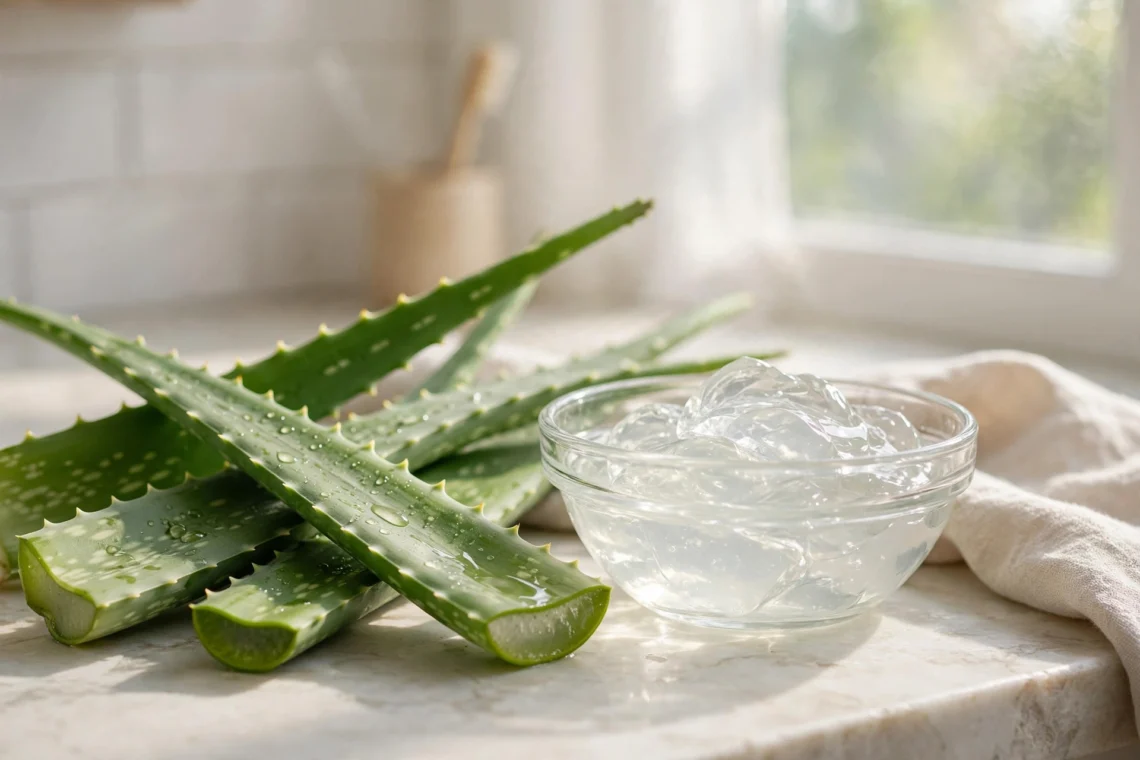
Both can work, but they are not identical. A fresh leaf gives you the purest gel with nothing added; simply slice a mature outer leaf, scoop out the clear inner gel, and rinse it well. The yellow sap near the rind (aloe latex) can irritate skin, so avoid it.
Store-bought gel is more convenient and has a longer shelf life, but labels vary wildly. Choose a product that lists aloe barbadensis leaf juice as the first ingredient and is free of added alcohol, heavy fragrance, and artificial color — neon-green gel is a marketing gimmick, not a sign of purity. Look for gels that are as close to 100 percent aloe as possible.
Side Effects and Precautions
Aloe vera is gentle for most people, but a few cautions apply:
- Patch test every new product, even “pure” ones — formulations differ.
- Watch for latex sensitivity. People allergic to plants in the lily family may react to aloe.
- Keep it away from eyes. The gel can sting if it migrates into them.
- It is not sunscreen. Aloe soothes sunburn but offers no meaningful UV protection; always use real SPF during the day.
- Stop if irritation appears. Redness, itching, or a rash means the product is not for you.
- Check with a dermatologist if you are pregnant, nursing, or managing a skin condition like eczema or rosacea before making it a daily staple.
For a thorough, medically reviewed breakdown of what the research actually supports, Healthline’s guide to aloe vera benefits is worth a read.
Frequently Asked Questions
Can I leave aloe vera gel on my face overnight?
Yes, a thin layer of pure aloe gel is generally fine overnight, especially for oily skin. If your skin is dry, layer a moisturizer over it so you do not wake up feeling tight.
Can I use aloe vera on my face every day?
Most people can. Once or twice daily is the typical range. If you notice dryness or tightness, cut back to a few times per week.
Is aloe vera good for oily skin?
It is one of the better natural options for oily skin because it hydrates without adding oil or heaviness, and it will not clog pores when the formula is pure.
Does aloe vera lighten skin?
It does not bleach skin. Some compounds in aloe may gradually help fade the appearance of dark spots, but the effect is mild and works best alongside sunscreen and a consistent routine.
Can aloe vera replace my moisturizer?
For very oily skin in humid weather, possibly. For most skin types, aloe works best as a hydrating layer underneath a moisturizer rather than a complete replacement.
Is fresh aloe better than the bottled gel?
Fresh gel is the purest option, but a high-quality bottled gel (mostly aloe, no alcohol or fragrance) is nearly as good and far more convenient. Avoid brightly dyed products.