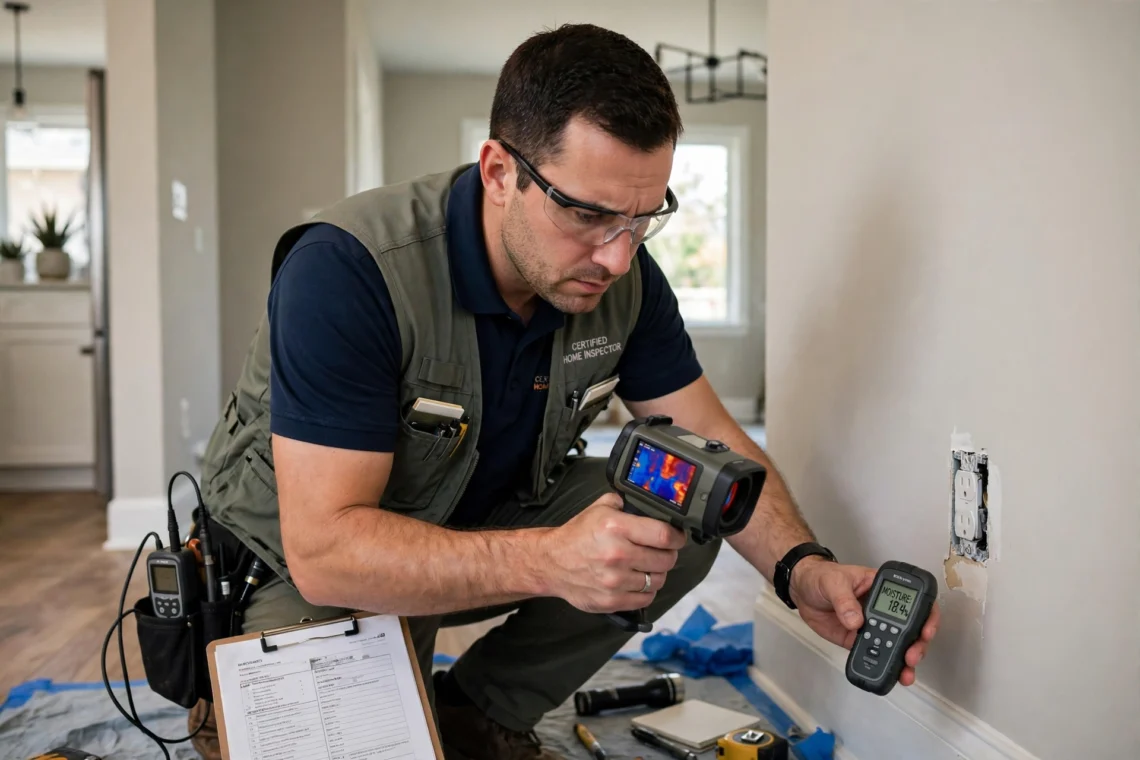
After a positive asbestos test, stress is understandable. Many Long Island homes built before the 1980s contain materials that once used asbestos, and a laboratory result can feel alarming at first. The right response is not to rush into removal or attempt to handle the material yourself. It is to pause, understand the result, and follow a clear process with licensed professionals.
It is important to understand that a positive result does not automatically mean your home is unsafe. The risk depends on the type of material, its condition, and whether it is likely to be disturbed. For many homeowners, the next step is simply to seek professional guidance and arrange the right kind of help. In fact, many people begin by arranging asbestos testing in Long Island to identify which materials contain asbestos and which do not.
Asbestos is a naturally occurring mineral that was used widely in building materials in past decades. It is not harmful when intact and undisturbed, but it can be unsafe when it is damaged and fibres are released into the air. That simple distinction matters, because your response should focus on condition, exposure, and expert advice rather than panic.
This guide explains how to understand the result, secure the area, choose a licensed professional, and plan the work with confidence. It is not a replacement for advice from a qualified inspector or an asbestos abatement professional.
Understand What Your Positive Test Actually Means
A positive test confirms that asbestos was present in the sample that was tested. It does not automatically describe every floor, wall, or ceiling in the house. Likewise, testing a tile does not necessarily answer questions about the adhesive underneath it.
The laboratory report should list the material sampled, the location, and the type and percentage of asbestos found. Ask your inspector to explain what each result means in plain language. If the report uses terms that are unclear, ask for a written summary that connects the findings to the rooms and materials in your home.
You should also ask whether further sampling is needed. In some cases, a single sample is enough to guide the next step. In other cases, the inspector may recommend additional samples to define the full extent of the material before work begins.
Pause Work Around the Affected Material
Tell your renovation contractor about the result before work continues. Share the report and identify the affected location clearly.
Do not sand, drill, scrape, cut, or break the material. If you notice suspect debris, avoid sweeping, dusting, or using a household vacuum. Keep children and pets away from damaged areas and limit activity nearby. The EPA recommends these precautions to help prevent further disturbance.
We advise homeowners to explain exactly what happened before testing. Tell the inspector if someone already lifted tiles, removed insulation, or carried debris through other rooms.
That history helps the professional decide whether the investigation needs to extend beyond the original sample location.
Ask an Inspector to Assess the Condition
Finding asbestos and evaluating its condition are separate tasks. The laboratory identifies the material’s contents. An inspector evaluates factors that influence the next step.
New York State guidance emphasizes the type of material, its condition, the quantity involved, and its location. It also considers whether disturbance could spread fibers into regularly occupied areas or air-handling systems.
You may hear the term friable asbestos. This describes material that can crumble or break down easily. More tightly bound products, such as certain floor tiles, behave differently from loose or deteriorating insulation. However, cutting or damaging a bound product can still create concerns.
For asbestos testing in Long Island, ask for an explanation that connects the findings to your property. “Asbestos detected” alone does not tell you whether you should monitor, repair, or remove the material.
Compare the Available Options
A positive test does not automatically mean the material must be removed. The best option depends on its condition, location, and how likely it is to be disturbed. It is common for a professional to recommend one of the following options.
Leave Suitable Material in Place
If the material is in good condition and will not be disturbed, the recommendation may be to leave it in place and monitor it. This option is often suitable for intact flooring, siding, or roofing that is not part of planned work. The area should be documented so that future workers know it is there.
Arrange Professional Repair
Damaged pipe insulation, small sections of wallboard, or worn duct insulation may be repaired and sealed by a professional. Sealing reduces the chance of further damage, but it is not a do-it-yourself task. The repair must be carried out by a worker who is trained and equipped for asbestos work.
Plan Removal When Necessary
Removal is usually recommended when the material is badly damaged, will be disturbed by renovation, or cannot be repaired safely. Removal should be carried out in a controlled way, with containment, safe waste handling, and clearance checks. Costs and timelines vary depending on the size of the area and the type of material involved.
Hire the Right Professionals for Each Role
It is important to separate the roles of testing, inspection, and abatement. The firm that tests or inspects a property should not also carry out the removal, because that separation supports an independent result. A licensed abatement contractor should handle removal or repair work.
When you are choosing a contractor, ask questions such as:
- Is the company licensed in New York State?
- Does it carry insurance for asbestos work?
- Can it provide references from similar projects?
- Will it provide a written scope of work?
- Are they a licensed asbestos abatement contractor or a licensed inspector?
- How will waste be transported and disposed of?
A clear answer to each question helps you compare firms fairly. If a contractor is reluctant to provide documentation, that is a reason to look elsewhere.
Confirm New York Requirements Before Work Begins
New York has specific rules for asbestos work, including licensing, notification, and safe handling. Requirements can vary depending on the type of project and the amount of material involved, so it is important to confirm what applies before work starts.
Before approving any project, check that:
- Has the contractor’s license been checked?
- Has a written plan been provided?
- Have the notification requirements been met?
- Are qualified staff assigned to the project?
A licensed professional should also explain how waste will be labelled, sealed, and transported to an approved facility. Keeping that documentation will help you prove the work was completed correctly.
Review the Work Plan Before Approving Abatement
Do not approve abatement based on a verbal estimate alone. Ask for a written plan that explains what will be done, how the area will be protected, and what will happen after the work is finished.
A good plan should include:
- The scope of work, including the material and area involved.
- How the area will be contained and sealed.
- The method of removal or repair.
- How waste will be stored and removed.
- The expected cost and timing.
Once the plan is clear, confirm the schedule and any preparation you need to do, such as moving furniture or vacating the area during the work. A written plan reduces misunderstandings and helps you hold the contractor to the agreed standard.
Know What Air Testing Can and Cannot Tell You
Air testing is often requested after abatement to check whether the work area is safe to reoccupy. This is different from bulk sampling, which tests a piece of material. Air testing measures fibres in the air at the time of sampling.
New York State guidance states that a licensed inspector should carry out clearance testing independently of the abatement contractor. This separation helps ensure the result is not influenced by the firm that performed the work.
Background samples taken before work help interpret the final result. Without them, it can be difficult to know whether fibres detected after work were already present in the home.
After removal or repair, the goal is to return the area to a condition that meets the required clearance standard. If the result does not meet that standard, further cleaning or work may be needed before reoccupation.
It is important to confirm who will carry out clearance testing and what standard will be used before work begins. That agreement should be included in the written plan.
Keep a Record for Future Repairs
Keep copies of the lab report, inspection findings, work plan, waste records, and clearance results. Store them in one place so that future contractors, buyers, or inspectors can understand what was found and what was done.
Call your insurer if you have questions about coverage. Some policies include limited cover for asbestos-related work, while others exclude it. Understanding your policy early will help you plan the budget.
Check your policy for any requirement to notify the insurer before work begins. Failing to do so could affect a claim, even if the work itself is carried out correctly.
If you plan to sell your home, the record will also help you answer buyer questions honestly and completely. A clear file shows that the issue was handled professionally and that the home was returned to a safe condition.
Turn the Result Into a Clear Plan
A positive result does not need to become a long-term worry. With the right information, a licensed inspector, and a written plan, most situations can be managed in a structured and controlled way.
When you are ready to take the next step, focus on condition, location, and professional advice rather than speed. A careful plan will protect your household, your property, and anyone who works in your home in the future.
If you are still unsure about your result, consider seeking independent advice from a professional who can explain the findings and outline your options. For a clear, independent assessment, you can also contact Quest Mold and Asbestos Testing & Inspections for guidance on your next steps.