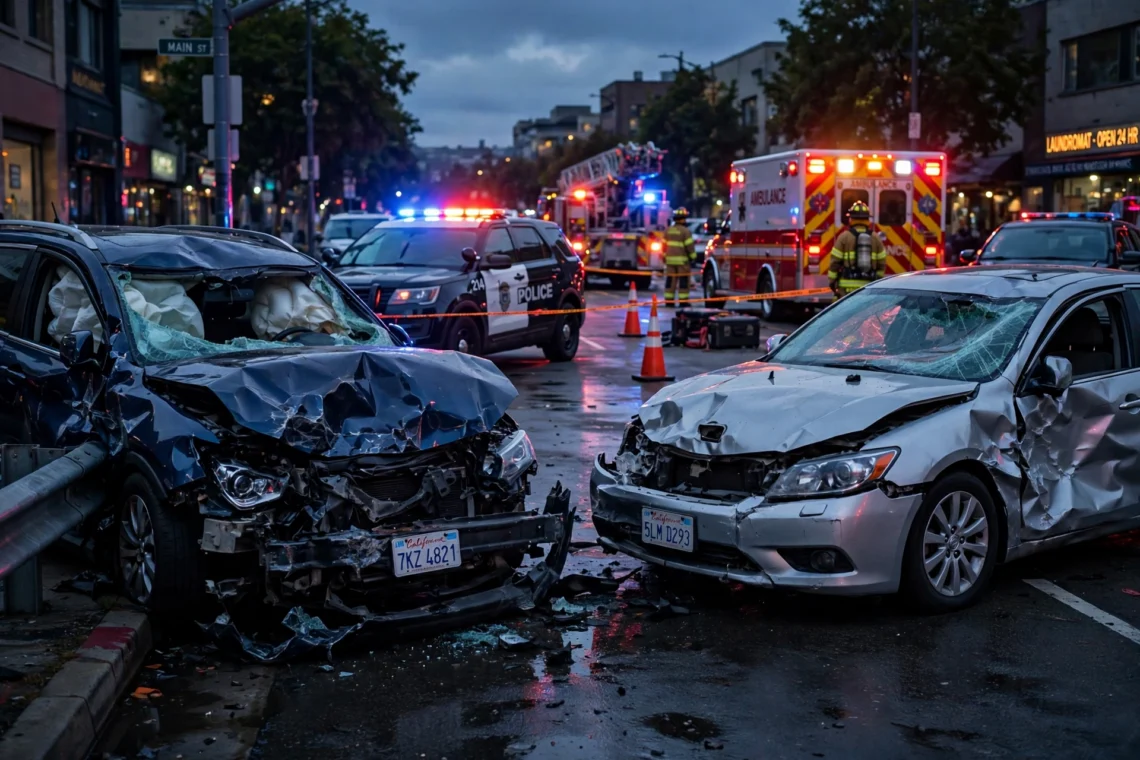
A car accident can leave you feeling shaken, confused, and unsure about what to do next. Whether the damage is minor or serious, the steps you take in the first few minutes and days can affect your safety, your insurance claim, and the quality of your vehicle’s repair. This guide explains what to do after a car accident in New Jersey, how to prepare for collision repair in Avenel NJ once the immediate concerns have been addressed, and what to expect when working with an insurance company and a repair shop.
If you have been involved in an accident in or around Avenel, New Jersey, it is important to stay calm, gather accurate information, and seek professional help when needed. The sections below provide a clear, step-by-step process you can follow.
1. Check for Injuries and Move to Safety
The first priority after any accident is safety. Before worrying about vehicle damage or insurance details, check whether anyone has been injured.
- Check yourself and passengers for injuries before anything else.
- Call 911 if anyone is injured or in immediate danger.
- Move to a safe location if it is safe to do so and your vehicle can be moved.
- Turn on hazard lights and, if available, set up warning triangles or flares.
- Do not leave the scene until you have completed the necessary steps.
- Do not drive a vehicle that may have serious mechanical or structural damage.
Even if you feel fine, some injuries may not appear right away. Seek medical attention if you experience pain, dizziness, headaches, or other concerning symptoms.
2. Contact the Police When Required
New Jersey has specific requirements for reporting motor vehicle accidents. Under New Jersey law, drivers must promptly notify the appropriate police department or law enforcement agency when an accident results in injury or death, or property damage exceeding $500 to any one person.
If an officer does not file the required report, a written report to the state may also be required within 10 days. A separate written report is generally not required when a law enforcement officer submits the report specified by law. Check the applicable reporting requirements for your circumstances.
Calling the police can also help document the incident, particularly when the accident involves injuries, significant damage, a suspected impaired driver, a hit-and-run, or disagreement about what happened.
When speaking with the responding officer:
- Explain the events as accurately as you can.
- Provide your driver’s license, registration, and insurance information when requested.
- Identify any witnesses who saw the accident.
- Ask how to obtain a copy of the police report.
- Record the report or incident number if one is provided.
Do not assume that an accident in a parking lot does not need to be reported. New Jersey’s reporting guidance also addresses crashes on private property.
For official information, consult the New Jersey Motor Vehicle Commission’s driver manual and the applicable reporting requirements.
3. Exchange Information With the Other Driver
Once the scene is safe, exchange the necessary information with the other driver. Keep the conversation calm and focused on the facts.
Collect the following details:
- Full name and contact information.
- Driver’s license information.
- Vehicle make, model, color, and license plate number.
- Insurance company and policy information.
- Contact information for any passengers, if relevant.
Be prepared to provide:
- Your name and contact information.
- Insurance company and policy information.
- Driver’s license information.
- Vehicle registration information.
If the other driver refuses to share information or leaves the scene, contact the police and provide any details you were able to collect. Do not argue about fault at the scene. Focus on safety, documentation, and accurate reporting.
4. Document the Accident Scene
Clear documentation can be valuable for your insurance claim and for the repair process. Use your phone to take photographs and notes while the details are fresh.
Photograph the following:
- Damage to every vehicle involved.
- The position of the vehicles, if they have not been moved.
- Road conditions, skid marks, and debris.
- Traffic signs, signals, and nearby landmarks.
- License plates and the overall accident scene.
Also record the date, time, location, weather conditions, and a brief description of how the accident happened. If there are witnesses, ask for their names and contact information if they are willing to share it.
These records can help clarify what happened and support your claim if questions arise later.
5. Notify Your Insurance Company Promptly
Contact your insurance company as soon as possible after the accident, even if the damage appears minor. Early notification can help avoid delays and ensure your claim is handled correctly.
Your insurer will typically ask for:
- Date, time, and location of the accident.
- Names and contact information for everyone involved.
- Police report or incident number, if available.
- Photographs of the damage and the accident scene.
- A description of what happened.
Keep a written record of your conversations with your insurer, including the date, the name of the representative, and any instructions provided. Save your claim number and any documents you receive.
For questions about New Jersey insurance requirements, the New Jersey Department of Banking and Insurance provides official guidance.
6. Have Your Vehicle Inspected for Hidden Damage
Visible damage is only part of the picture. A collision can cause hidden damage to the frame, suspension, safety systems, or other components that are not obvious from the outside.
Warning signs include:
- Warning lights on the dashboard.
- Unusual noises while driving.
- Steering or alignment problems.
- Fluid leaks under the vehicle.
- Visible structural or frame damage.
- Airbag deployment or safety system warnings.
A professional assessment can identify damage that is not visible during a quick visual check. This is especially important before repairs begin, because additional damage found later can affect the estimate and the repair timeline.
A written estimate should explain the recommended work, anticipated parts, labor, and any additional inspections that may be needed.
7. Choose a Collision Repair Shop in Avenel, NJ
Choosing the right repair shop can affect the safety, appearance, and long-term value of your vehicle. Take time to compare options and ask questions before authorizing work.
Experience With Your Vehicle
Ask whether the shop has experience repairing your vehicle’s make and model. Experience with modern driver-assistance systems, frame repair, and manufacturer repair procedures can be especially important for newer vehicles.
Clear Repair Estimates
A reliable shop should provide a written estimate before starting work. The estimate should list parts, labor, and any additional charges, and should explain whether parts are new, used, or aftermarket.
Repair Procedures and Equipment
Ask how the shop will repair your vehicle. This can include whether it uses manufacturer-recommended procedures, how it checks safety systems, and how it verifies the quality of the finished repair.
Warranty and Communication
Ask about the warranty on parts and labor. Clear communication is equally important. A reliable shop should explain the repair process, provide updates, and answer questions about timelines and costs.
Insurance Coordination
Many repair shops work directly with insurance companies. Ask whether the shop will communicate with your insurer, submit required documentation, and help explain any changes to the estimate during the repair.
8. Understand the Repair Estimate and Your Insurance Deductible
A repair estimate outlines the work needed to restore your vehicle after a collision. Review it carefully before authorizing repairs.
| Repair Category | What It May Include |
|---|---|
| Parts | Replacement panels, bumpers, lights, and other components |
| Labor | Time required for repair, refinishing, and reassembly |
| Paint and Materials | Paint, primer, and supplies used during the repair |
| Mechanical Repairs | Suspension, steering, or other mechanical work, if needed |
| Safety System Checks | Inspection and calibration of sensors and safety features |
What This Means for Your Deductible
Your deductible is the amount you pay before insurance covers the remaining cost of a covered repair. For example, if your repair costs $3,000 and your deductible is $500, you would pay $500 and your insurer would pay $2,500, assuming the repair is covered and other policy limitations do not apply.
If the shop discovers additional damage, ask for an updated estimate and clarification about how the additional work affects your claim and what you may need to pay out of pocket.
Do not authorize work you do not understand. Ask questions until the estimate and the repair plan are clear.
9. Ask About Rental Cars and Transportation
If your vehicle will be in the shop for several days, transportation becomes an important part of the process. Ask the shop or your insurer about:
- Whether rental coverage is included in your policy.
- How long rental coverage lasts.
- What type of vehicle is covered.
- Whether there are daily or total limits.
- What documentation is needed to support a rental claim.
If rental coverage is not available, ask about alternative transportation options, including public transit, rideshare services, or temporary vehicle arrangements.
Keep receipts for rental and transportation costs. Your insurer may require them for reimbursement.
10. Keep Records Until the Claim Is Resolved
Good recordkeeping can make the claims process easier. Keep copies of:
- Police report and claim number.
- Insurance claim correspondence.
- Repair estimates and invoices.
- Receipts for rental cars and other related expenses.
- Photographs of the damage and the accident scene.
- Notes about conversations with your insurer and the repair shop.
Store these documents in one place and keep them until your claim is fully resolved and you are satisfied with the repair. If a question arises later, having organized records can make it easier to review what happened and what was agreed.
Common Mistakes to Avoid After a Car Accident
Avoiding common mistakes can protect your safety and your claim.
- Leaving the scene before exchanging information.
- Admitting fault before all facts are known.
- Delaying medical attention when symptoms appear.
- Failing to document damage or keep records.
- Accepting a settlement before understanding the full cost of repairs.
- Authorizing repairs without a clear written estimate.
Taking a careful, documented approach can help you avoid delays and disputes later in the process.
Get Professional Collision Repair Assistance From Avenel Auto Body
Avenel Auto Body provides collision repair services for drivers in Avenel, NJ, and nearby communities. The shop handles inspections, estimates, insurance coordination, and repairs for vehicles damaged in collisions.
If your vehicle needs collision repair in Avenel NJ, Avenel Auto Body can be your starting point for discussing the damage and understanding the repair options available. Request an assessment and ask about the repair process, estimated timeline, and warranty information.
For more information, visit Avenel Auto Body or contact the shop directly to discuss your vehicle and next steps.
Frequently Asked Questions
1. Do I have to call the police after a car accident in New Jersey?
Yes, in many cases. New Jersey law requires notification when an accident results in injury or death, or property damage exceeding $500 to any one person. If an officer does not file the required report, a written report to the state may also be required within 10 days. When in doubt, contact local law enforcement for guidance.
2. Should I contact my insurance company if the damage looks minor?
Yes. Even minor damage can involve hidden structural or safety issues, and late reporting can complicate a claim. Contact your insurer promptly and provide the information and photographs you collected at the scene.
3. Can I choose my own collision repair shop in New Jersey?
Yes. In New Jersey, you generally have the right to choose your own repair shop. Your insurer may suggest a shop, but you are not required to use it. Ask your insurer about the claim process and any documentation needed when you choose a shop.
4. How long does collision repair take?
It depends on the extent of the damage, parts availability, and the shop’s schedule. Minor repairs may take a few days, while major structural repairs can take longer. Ask the shop for an estimated timeline and request updates if the timeline changes.
5. Will insurance cover all my collision repair costs?
Not always. Coverage depends on your policy, your deductible, and whether the repair is covered. Your insurer can explain your coverage and the documentation needed for a claim.
6. What should I do if my car is not safe to drive after an accident?
Do not drive it. Contact your insurer or a towing service and arrange for the vehicle to be transported to a repair shop for inspection. Driving an unsafe vehicle can cause further damage or create a safety risk.
7. What should I check before accepting my repaired vehicle?
Check the repaired areas carefully, look for paint or panel alignment issues, and test the vehicle’s lights, doors, windows, and safety features. Ask the shop for warranty information and final repair documents.