Peptides are one of the most talked-about ingredients in modern skincare, showing up in serums, moisturizers, and eye creams everywhere. But what are they actually, and what can they realistically do for your skin? This guide breaks down the potential benefits of peptides for skin in plain language, how to choose a peptide product, and how to use it safely as part of your routine.
What Are Peptides?
Peptides are short chains of amino acids — the same building blocks that make up proteins like collagen and elastin in your skin. Think of them as tiny messenger molecules: when applied to the skin in cosmetic products, certain peptides are believed to signal skin cells to behave in helpful ways, such as supporting the skin’s natural collagen. Collagen is the protein that helps keep skin firm and smooth, and our bodies produce less of it as we age.
It is worth keeping expectations realistic. Cosmetic research on topical peptides is still developing, and results tend to be gradual and modest rather than dramatic. Peptides are best thought of as one supportive ingredient in a well-rounded routine — not a replacement for proven basics like sunscreen and moisturizer.
Potential Benefits of Peptides for Skin
Support for firmer-looking skin
Some peptides, often called signal peptides, are studied for their role in supporting the skin’s natural collagen processes. Firmer-feeling, more elastic-looking skin is the most commonly cited potential benefit, which is why peptides appear most often in products aimed at fine lines.
Improved hydration
Certain peptides help support the skin barrier — the protective outer layer that keeps moisture in. A stronger barrier means skin holds onto hydration better, which can make it look plumper and feel more comfortable.
Calmer, more even-looking skin
Some peptide types are associated with soothing properties and may help skin look more even in tone. For anyone dealing with stressed or reactive skin, barrier-supporting ingredients like peptides can be a gentle addition.
Compatibility with other ingredients
Peptides generally play well with common skincare ingredients such as niacinamide, hyaluronic acid, and vitamin C. This makes them easy to slot into an existing routine without major reshuffling.
Types of Peptides Commonly Found in Skincare
- Signal peptides: The most common type in anti-aging products, believed to encourage the skin’s natural collagen-related processes.
- Carrier peptides: Thought to help deliver beneficial trace elements to the skin.
- Enzyme-inhibiting peptides: Aim to slow the breakdown of collagen in the skin.
- Copper peptides: A popular subgroup often highlighted for firmness and overall skin quality, though human studies remain small.
You do not need to memorize these categories to shop well — but recognizing the terms on a label helps you understand what a product is designed to do. For a deeper evidence-based overview, see Healthline’s guide to peptides for skin, which covers benefits, what to look for, and potential side effects.
How to Choose a Peptide Product
Pick the right formula
Choose a product that stays on your skin — a serum or moisturizer — rather than a cleanser, which gets rinsed off before the ingredients can do much. Look for peptides listed among the first several ingredients, which suggests a meaningful concentration.
Check the supporting ingredients
A good peptide serum usually includes hydration-supporting ingredients like hyaluronic acid or glycerin. Be cautious about combining peptides with very strong acids in the same routine step, as highly acidic formulas may reduce their effectiveness.
Keep it simple
You do not need five peptide products. One well-formulated serum or moisturizer is enough to find out whether your skin responds well to peptides.
How to Use Peptides in Your Routine
- Cleanse with a gentle cleanser suited to your skin type.
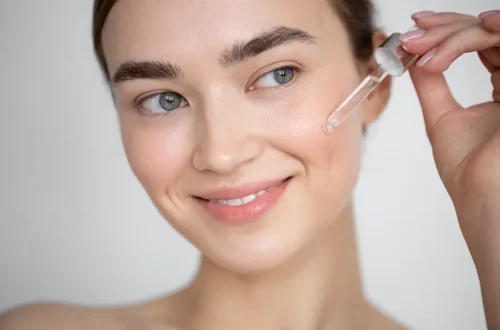
- Apply the peptide serum to slightly damp skin, morning and/or evening depending on the product’s directions.
- Moisturize to seal everything in.
- Finish with sunscreen in the morning — no anti-aging ingredient works well on unprotected skin.
Introduce the product gradually: start with once-daily use for a week or two and watch how your skin responds before increasing frequency. As with any new product, patch-test on a small area first.
What Peptides Cannot Do
Honest expectations matter. Peptides will not:
- Replace professional treatments for deep wrinkles or significant sagging.
- Deliver visible results overnight — consistent use over weeks to months is needed.
- Work without sun protection — UV damage breaks down collagen faster than any cosmetic ingredient can support it.
- Suit everyone — some people experience mild irritation, in which case stop using the product.
Peptides vs. Retinoids: Do You Need Both?
Retinoids remain the most researched topical ingredients for visible signs of aging, with decades of evidence behind them. Peptides are sometimes described as a gentler companion: they are generally well tolerated, even by sensitive skin that cannot handle retinoids. Many people use both — a retinoid at night and a peptide serum in the morning, for example — but you do not need both to have an effective routine. If you are unsure, a dermatologist can help you decide what fits your skin.
Safety Notes
Topical peptide cosmetics are generally considered gentle, but a few precautions apply. Always follow the product’s directions, avoid layering too many active ingredients at once, and discontinue use if you notice redness, itching, or breakouts. Note that cosmetic peptides are very different from injectable or oral peptide products, which are regulated differently and should never be used without medical supervision. If you have a skin condition or are pregnant, check with a dermatologist before adding new actives to your routine.
Healthy skin starts with the basics — including sun protection, which also prevents the uneven tanning we covered in our guide on how to remove tan from face.
Frequently Asked Questions
What do peptides do for skin?
Peptides are short chains of amino acids used in skincare to support firmer-looking skin, better hydration, and a healthier skin barrier. Research suggests gradual, modest benefits with consistent use.
How long do peptides take to work?
Most people need several weeks of consistent daily use before noticing changes. Peptides are gradual performers, not quick fixes.
Can I use peptides with vitamin C or niacinamide?
Generally yes — peptides pair well with niacinamide, hyaluronic acid, and vitamin C. Avoid using them at the same time as very strong acid exfoliants, which may reduce their effectiveness.
Are peptides safe for sensitive skin?
Topical peptides are usually well tolerated, even by sensitive skin. Still, patch-test any new product and stop use if irritation occurs.
Do I need peptides if I already use retinol?
Not necessarily. Retinoids have the strongest evidence for visible aging concerns. Peptides can be a gentler alternative or complement, but they are optional rather than essential.
Are peptide creams better than peptide serums?
Serums typically deliver a higher concentration of actives, while creams combine peptides with moisturizing benefits. Either can work — what matters most is consistent use and a formula your skin tolerates.