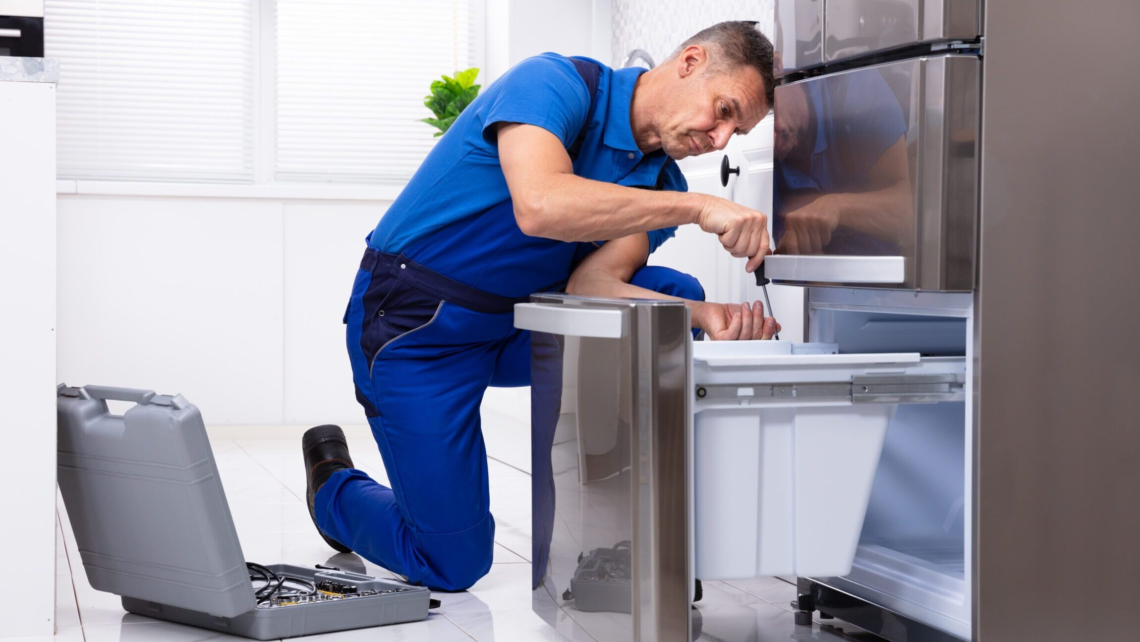
Whether managing a busy household or operating a commercial kitchen, reliance on major appliances is absolute. From residential refrigerators maintaining safe food temperatures to commercial walk-in freezers, ice machines, and range cooktops keeping a restaurant running smoothly, these machines form the operational backbone of daily living and commerce. When a unit fails, the resulting disruption can mean wasted inventory, lost revenue, or significant household stress.
Understanding the mechanics of modern equipment maintenance helps home and facility managers extend appliance lifespan, maintain energy efficiency, and make informed choices between component repair and outright replacement.
                    +-------------------------------------+
                    |     Appliance Management Lifecycle  |
                    +-------------------------------------+
                                       |
        +------------------------------+------------------------------+
        |                                                             |
        v                                                             v
+-------------------------------+                             +-------------------------------+
|     Preventive Maintenance    |                             |    Professional Diagnostics   |
| - Coil Cleaning               |                             | - Pressure Measurements       |
| - Gasket & Seal Inspections   |                             | - Electrical Control Checks   |
| - Airflow Clearance Checks    |                             | - Airflow & Thermal Testing   |
+-------------------------------+                             +-------------------------------+
        |                                                             |
        +------------------------------+------------------------------+
                                       |
                                       v
                        +-----------------------------+
                        |   Targeted OEM Part Repair   |
                        |   & Verified Labor Warranty |
                        +-----------------------------+
The Economics of Appliance Maintenance vs. Replacement
When an appliance begins showing signs of failure—such as inconsistent cooling, unusual mechanical noise, or cycle interruptions—property owners are immediately faced with a decision: replace the unit or invest in a targeted repair.
While purchasing new equipment might seem straightforward, professional diagnosis often reveals that the underlying failure is isolated to a single serviceable component, such as a defrost thermostat, fan motor, or control board.
Working with experienced repair specialists like https://icrsusa.com/ allows residential and commercial owners to receive accurate, measurement-based diagnostics that pinpoint exact electrical or mechanical faults before committing to major capital expenditures.
Key Factors When Evaluating Repair vs. Replacement
- Age of the Equipment: Most high-end residential and commercial refrigeration units are engineered for 10 to 15+ years of operational service. If an appliance is under two-thirds of its expected lifespan, repair remains the most cost-effective path.
- Component-Level Diagnostics: Modern appliances rely heavily on electronic sensors, variable-speed compressors, and precise defrost circuits. Testing these components against original manufacturer specifications prevents unnecessary replacements caused by simple sensor or circuit failures.
- Warranty Coverage: Quality service providers back their work with comprehensive labor and OEM (Original Equipment Manufacturer) parts warranties, restoring original performance standards and ensuring peace of mind.
Critical Systems: Residential vs. Commercial Requirements
While residential and commercial appliances share fundamental mechanical principles, their operational demands differ significantly in workload, thermal stress, and regulatory compliance.
+------------------------+------------------------------------+------------------------------------+
| Appliance Domain       | Operational Demands                | Key Maintenance Focus              |
+------------------------+------------------------------------+------------------------------------+
| Residential Units      | - Intermittent daily use           | - Quiet operation                  |
|                        | - Standard door cycle stress       | - Energy efficiency ratings        |
|                        | - Compact space constraints        | - Sealed system maintenance        |
+------------------------+------------------------------------+------------------------------------+
| Commercial Units       | - Continuous 24/7 heavy duty use   | - High-volume thermal load recovery|
|                        | - Constant door openings           | - Rapid pull-down performance      |
|                        | - Health code compliance needs     | - Heavy-duty component durability  |
+------------------------+------------------------------------+------------------------------------+
Residential Appliances
Home refrigeration, cooking ranges, and laundry equipment prioritize energy efficiency, quiet operation, and aesthetic integration. Sealed-system performance—including refrigerant charge, evaporator coil integrity, and compressor function—is vital for maintaining target temperatures while keeping energy consumption low.
Commercial Systems
Commercial walk-in coolers, prep tables, and high-volume ice machines operate under severe environmental conditions. Ambient kitchen temperatures, frequent door openings, and high product turnover subject these systems to heavy thermal loads. Preventing compressor strain and condenser clogging requires routine inspection of airflow circuits, expansion valves, and door gaskets.
Essential Preventive Maintenance Practices
Preventive care drastically reduces the frequency of emergency service calls and extends the service life of both home and commercial units. Simple, routine checks help avoid common failure points:
- Clean Condenser Coils: Dust, grease, and debris accumulation on condenser coils restrict airflow, forcing compressors to run hotter and longer, leading to premature thermal breakdown.
- Inspect Door Gaskets: Worn or cracked magnetic door seals allow warm, humid air to enter refrigeration spaces, causing excess frost buildup on evaporator coils and driving up electrical usage.
- Verify Internal Airflow: Overpacking storage compartments blocks air vents, causing uneven cooling zones, inaccurate thermostat readings, and excessive mechanical cycling.
- Monitor Ice Machine Water Lines: Scale and mineral buildup restrict water flow and strain pump motors. Scheduled descaling ensures proper cube formation and sanitary ice production.
Ensuring Quality Service Delivery
When scheduling appliance service, ensuring long-term reliability depends on working with qualified technicians who follow rigorous diagnostic procedures. A professional repair workflow includes:
- Thorough Symptom Triage: Documenting exact fault behaviors and model specifications prior to arrival.
- Precision Testing: Utilizing digital gauges and multimeter diagnostics to measure system pressure, control signals, and electrical draw against factory ratings.
- Transparent Written Findings: Providing clear diagnostic summaries and cost estimates prior to initiating repairs.
- OEM Part Installation: Using genuine, factory-certified replacement parts to preserve manufacturer design standards and maintain operating efficiency.
Investing in proper diagnostic repair and routine preventative care protects kitchen infrastructure, preserves food safety, and maximizes returns on appliance investments across residential homes and commercial operations alike.