Introduction
Helonium is a word that sparks curiosity, mystery, and scientific imagination. It sounds like the name of a rare element, a futuristic material, or a hidden substance that could unlock new possibilities in science and technology. In recent years, people have started searching for helonium more frequently, wondering what it is, where it comes from, and whether it could play a role in the future of energy, space exploration, and advanced research.
In this article, we will explore what helonium means, how it relates to helium and other elements, why it appears in science fiction and scientific discussions, and what its future could look like. Whether you are a student, a researcher, or simply curious about new scientific ideas, this guide will help you understand helonium in a clear and simple way.
What Is Helonium?
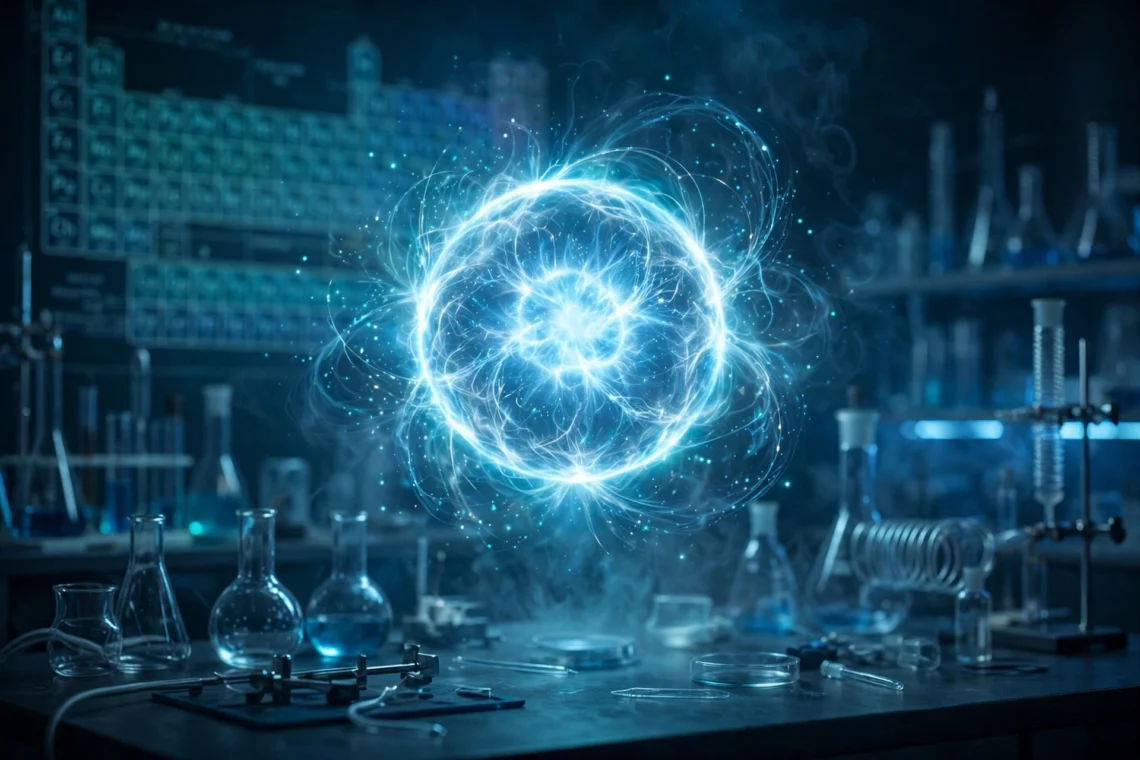
Helonium is not an officially recognized element on the periodic table. Unlike hydrogen, oxygen, or helium, helonium does not have a standard atomic number, symbol, or place in traditional chemistry. Instead, the term is often used in speculative science, science fiction, and online discussions to describe a hypothetical or fictional substance inspired by helium.
The concept of helonium is often linked to helium, one of the lightest and most stable elements in the universe. Helium is known for its use in balloons, cryogenics, and scientific research. Helonium builds on this idea, imagining a more powerful, rare, or advanced version of helium that could have unique properties.
In many discussions, helonium is used as a symbolic term for innovation, discovery, and the search for new materials that could transform technology. It represents the human desire to explore beyond what we already know and to imagine what might exist in the future.
Helonium and the Periodic Table
The periodic table is one of the most important tools in chemistry. It organizes all known elements based on their atomic structure and properties. Helium, with the symbol He and atomic number 2, is one of the most well-known elements on this table. It is a noble gas, which means it is stable, non-reactive, and does not easily form compounds with other elements.
Helonium in Popular Culture and Science Fiction
Helonium has also appeared in popular culture, especially in science fiction stories, games, and futuristic novels. In these stories, helonium is often portrayed as a rare and powerful resource that civilizations fight over, mine from distant planets, or use to power advanced spacecraft and energy systems.
In science fiction, helonium is often imagined as a fuel source for interstellar travel or as a key ingredient in futuristic weapons and technologies. This portrayal has helped make the word popular among fans of science fiction and fantasy, even though it does not exist as a real element in the same way.
The Science Behind Helonium
To understand helonium, it helps to understand helium and nuclear fusion. Helium is created in stars through nuclear fusion, a process where hydrogen atoms combine to form helium and release enormous amounts of energy. This is the same process that powers the sun and other stars.
The Role of Helium in Nuclear Fusion
Helium plays an important role in nuclear fusion research. Scientists are working on fusion reactors that could provide clean, almost limitless energy by replicating the process that happens inside stars. Helium-3, a rare isotope of helium, is considered one of the most promising fuels for future fusion reactors because it produces less radioactive waste than other options.
Could Helonium Exist in Nature?
One of the most common questions about helonium is whether it could exist in nature. Currently, there is no scientific evidence that helonium exists as a natural element. However, scientists continue to discover new isotopes, compounds, and materials that were once thought impossible. The search for new elements and substances is an ongoing process, and the idea of helonium reflects this spirit of exploration.
Helonium and Energy Research
Energy is one of the biggest challenges facing humanity today. As the world moves away from fossil fuels, researchers are looking for cleaner and more sustainable energy sources. Helium-based fusion energy is one of the most exciting possibilities, and helonium is often used as a metaphor for this future energy revolution.
Why Helonium Matters for the Future
Helonium matters because it represents the future of science and technology. Even if it is not a real element, the idea behind helonium encourages us to think about new possibilities and to push the boundaries of what we know. Here are some reasons why helonium is important:
- Nuclear fusion. Fusion reactions involving helium could provide clean energy for generations.
- Clean energy. If helonium could be used as a fuel, it might help reduce pollution and fight climate change.
- Space exploration. Helium is already used in rockets and spacecraft, and a more advanced version could make space travel faster and more efficient.
- Advanced materials. Research into helium and related elements could lead to new materials with unique properties.
- Scientific discovery. Even studying helonium as a theoretical concept helps scientists think differently about chemistry and physics.
Helonium and Modern Technology
Helonium is also connected to modern technology in several ways. Although it is not a real material used in devices today, the science behind helium has many practical applications that affect our daily lives. Readers interested in modern technology can also explore our guide to essential developer tools.
Helonium in Cryogenics
Helium is one of the coldest substances known to science. Liquid helium is used to cool superconducting magnets in MRI machines, particle accelerators, and other advanced equipment. If helonium existed with similar properties, it could revolutionize cryogenics and make these technologies more efficient.
Helonium in Quantum Computing
Quantum computers require extremely low temperatures to function properly. Helium is currently used to cool these systems, and future materials inspired by helonium could help make quantum computing more stable and accessible.
Helonium and Medical Imaging
Helium is also used in medical imaging and respiratory treatments. Its unique properties make it valuable in healthcare, and research into helium-based materials continues to expand.
The Challenges of Studying Helonium
Despite its potential, helonium faces several challenges. Because it is not a recognized element, there is limited scientific research specifically focused on it. Most discussions about helonium are theoretical or fictional, rather than based on laboratory experiments.
- Scientific uncertainty. Without a clear definition, it is difficult to study helonium in a traditional scientific way.
- Limited evidence. There is no confirmed sample of helonium, which makes it hard to test its properties.
- High costs. Research into helium, fusion, and advanced materials requires significant funding and infrastructure.
- Technical complexity. Even helium-based fusion is extremely difficult to achieve, and helonium would likely be even more complex.
Helonium in Everyday Language and Search Trends
The growing interest in helonium can be seen in search trends and online discussions. People search for helonium because they want to know if it is real, what it could be used for, and how it relates to helium and other elements. This curiosity shows how science and imagination often work together to create new ideas.
For writers, researchers, and SEO professionals, helonium represents an interesting keyword because it combines science, technology, and popular culture. Articles about helonium can attract readers who are interested in futuristic science, energy, and space exploration.
The Future of Helonium Research
The future of helonium research depends on advances in chemistry, physics, and materials science. As scientists discover new elements and develop new technologies, the line between science fiction and reality continues to blur. What seems impossible today might become possible in the future.
Emerging Research Areas
Scientists and researchers are exploring several areas that could be related to helonium in the future:
- Fusion energy research. Developing reactors that use helium isotopes as fuel.
- Quantum materials. Creating new materials with unique quantum properties.
- Space technology. Using helium and other gases for advanced propulsion systems.
- Environmental science. Finding clean energy solutions to reduce carbon emissions.
What Scientists Hope to Learn
In the coming years, scientists hope to learn more about helium isotopes, fusion reactions, and the behavior of matter at extremely low temperatures. These discoveries could bring us closer to understanding whether a substance like helonium could ever exist, or whether it will remain a fascinating idea in science fiction.
Frequently Asked Questions (FAQs)
1. What is helonium?
Helonium is a term associated with helium and hypothetical or fictional substances. It is not an officially recognized element on the periodic table, but it is often discussed in science fiction and speculative science.
2. Is helonium a real element?
No, helonium is not a real element in traditional chemistry. It is a conceptual or fictional term inspired by helium and its properties.
3. What is helonium used for?
In science fiction, helonium is often used as a fuel for spacecraft, a source of clean energy, or a rare material for advanced technology. In real science, helium is used in cryogenics, medical imaging, and fusion research.
4. How is helonium related to helium?
Helonium is inspired by helium, a noble gas with atomic number 2. The idea of helonium builds on helium’s properties and imagines a more advanced or powerful version of it.
5. Could helonium exist in the future?
Currently, there is no evidence that helonium exists. However, scientific discovery is ongoing, and researchers continue to explore new elements, isotopes, and materials.
6. Why is helonium popular in science fiction?
Helonium is popular in science fiction because it sounds like a rare and powerful element. Writers use it to create stories about futuristic energy, space exploration, and advanced civilizations.
7. What is helium-3?
Helium-3 is a rare isotope of helium that is considered a promising fuel for nuclear fusion. It is found in small amounts on Earth but is more abundant on the Moon.
8. Where can I learn more about helonium?
You can learn more about helonium by studying helium, nuclear fusion, and the periodic table. Scientific journals, educational websites, and science fiction stories also explore the concept.
Conclusion
Helonium represents the intersection of science, imagination, and the future. While it is not a real element on the periodic table, it captures our curiosity about what might exist beyond our current understanding. From nuclear fusion and clean energy to space exploration and quantum computing, the ideas behind helonium remind us that science is always evolving.
Whether helonium becomes a real scientific discovery or remains a concept in science fiction, it will continue to inspire researchers, writers, and readers who dream of a better and more advanced future. By exploring helonium, we are not just learning about a word — we are exploring the possibilities of science itself.