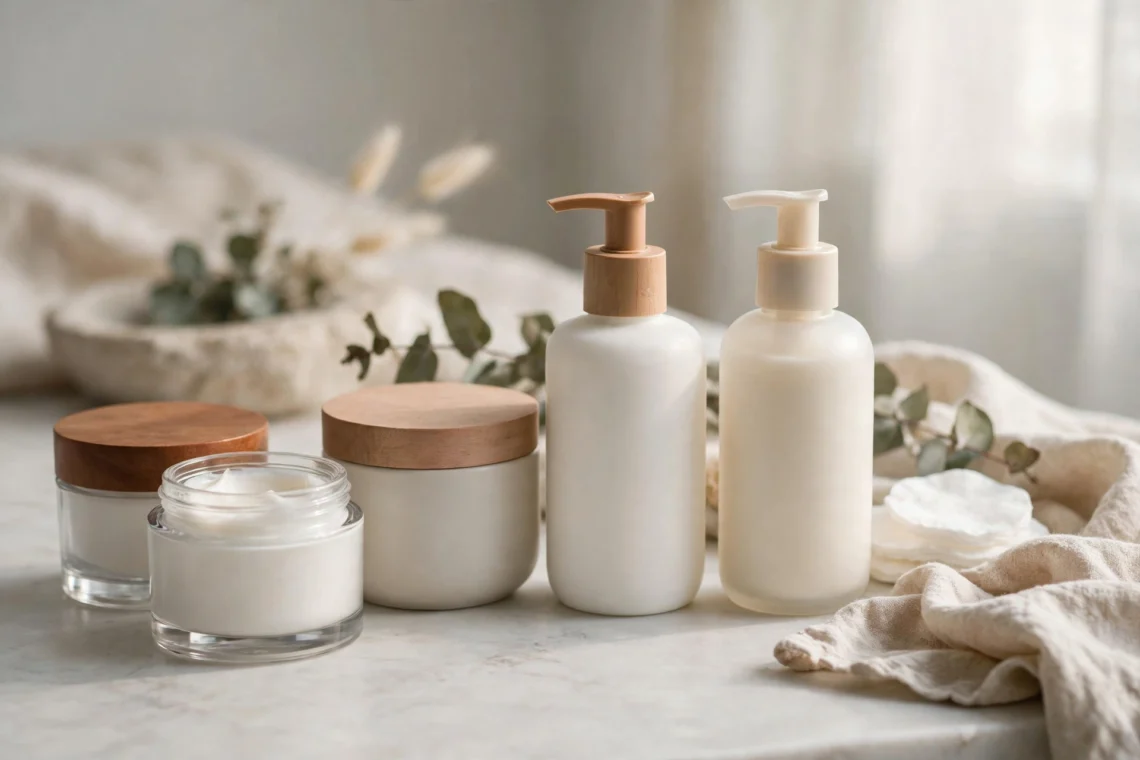
Finding a moisturizer when you have combination skin can feel like a balancing act. Your forehead, nose, and chin get shiny by midday, yet your cheeks feel tight or flaky at the same time. A cream that is rich enough for the dry areas can clog the oily zones, while a lightweight gel that controls shine may leave your cheeks parched. The good news is that once you understand what combination skin actually needs, choosing the right moisturizer becomes much simpler.
This guide explains how to pick the best moisturizer for combination skin, which ingredients help the most, which ones to skip, and how to build a routine that keeps every part of your face comfortable.
What Combination Skin Needs From a Moisturizer
Combination skin is defined by having two different needs at once: oiliness in the T-zone (forehead, nose, and chin) and dryness or normal skin on the cheeks and around the eyes. The T-zone contains a higher concentration of oil glands, which is why it produces more sebum and tends to develop blackheads, whiteheads, and larger-looking pores. The cheeks, on the other hand, have fewer oil glands and are more prone to flaking and tightness.
The ideal moisturizer for this skin type is a middle-ground formula: light enough not to overwhelm the oily areas, yet hydrating enough to comfort the dry ones. Gel-cream textures are the classic choice because they deliver water-based hydration without a heavy, greasy finish. Oil-free or noncomedogenic formulas are also worth prioritizing, since they are specifically designed not to clog pores — a real concern for anyone whose T-zone breaks out easily.
Key Ingredients to Look For
The ingredient list matters more than any marketing claim on the front of the jar. Dermatologists frequently recommend these for combination skin:
- Hyaluronic acid — a hydrating ingredient that draws water into the skin without adding weight or greasiness, making it ideal for both zones of combination skin.
- Glycerin — a gentle humectant that helps keep skin soft and comfortable all day.
- Niacinamide (vitamin B3) — helps support the skin barrier and may help regulate the appearance of excess oil, which is useful for the T-zone.
- Ceramides — support the skin’s natural barrier and help prevent moisture loss from dry areas like the cheeks.
- Lightweight emollients — squalane and similar ingredients soften dry patches without feeling heavy.
Ingredients to Avoid With Combination Skin
Just as important is knowing what to keep out of your moisturizer. Heavy, occlusive ingredients such as mineral oil and thick petrolatum-based creams can trap sebum in oily areas and trigger breakouts. Fragrance — including essential oils — is a common irritant that can aggravate both dryness and sensitivity. Alcohol (listed as alcohol denat or isopropyl alcohol) can strip the skin and prompt oily areas to produce even more oil in response. If your T-zone is acne-prone, also watch out for comedogenic ingredients like isopropyl myristate and heavy lanolins.
How to Moisturize Combination Skin: A Practical Routine
You do not necessarily need two different moisturizers, but many people with combination skin benefit from a “divide and conquer” approach:
- Cleanse gently first. Use a mild, balanced cleanser that removes excess oil without stripping your cheeks dry.
- Apply moisturizer to damp skin. Skin absorbs hydrating products better when it is still slightly damp from cleansing.
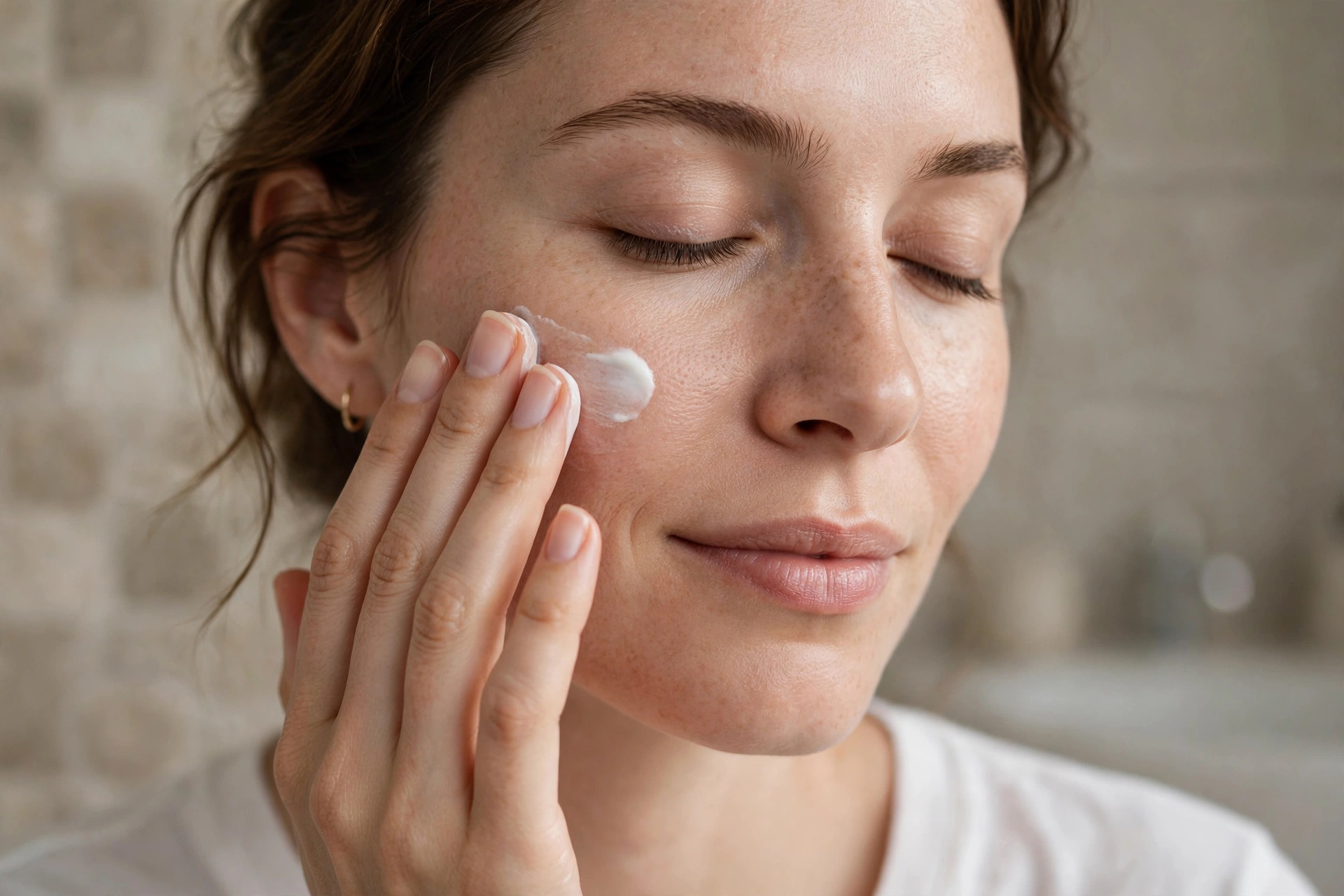
- Use a targeted technique. Smooth a light layer over your entire face, then add a second thin layer on the dry cheeks. Alternatively, use a richer cream on the cheeks and a gel moisturizer on the T-zone — a method sometimes called multi-moisturizing.
- Press, don’t rub. Patting product into the skin with your palms is gentler than dragging it across the surface.
- Follow with sunscreen in the morning. Look for a lightweight, SPF 30+ formula that will not undo your balanced finish.
If you wear makeup, a lightweight moisturizer also doubles as a smoother base, helping foundation sit evenly instead of clinging to dry patches or sliding off a shiny T-zone.
Common Mistakes to Avoid
- Skipping moisturizer because your skin is oily. Every skin type needs hydration; dehydrated oily skin can actually produce more oil to compensate.
- Using one heavy cream all over. A rich formula that your cheeks love can overwhelm the T-zone within hours.
- Applying too much product. A pea-sized amount per zone is usually enough; layer only on the dry areas.
- Ignoring seasonal changes. Combination skin often shifts with the weather — you may need a richer formula in winter and a lighter one in summer.
- Layering actives without adjusting. If you use exfoliating acids or vitamin C, make sure your moisturizer is soothing enough to keep the barrier calm.
Frequently Asked Questions
Should people with combination skin use gel or cream moisturizer?
Gel-cream hybrids are usually the best starting point. They hydrate like a cream but absorb like a gel, which suits both zones. If your cheeks are very dry, use a gel on the T-zone and a cream on the cheeks.
Can you use two different moisturizers on one face?
Absolutely. Using a lightweight gel on the oily T-zone and a richer cream on dry cheeks is a widely recommended technique for combination skin, and many dermatologists suggest exactly this approach.
Is oil-free moisturizer better for combination skin?
For most people, yes. Oil-free, noncomedogenic formulas hydrate without adding ingredients that can clog pores in the T-zone. Just make sure the formula still contains humectants like hyaluronic acid so the dry areas get real moisture.
How often should you moisturize combination skin?
Twice daily — morning and night — is the standard recommendation. In the morning, pair it with sunscreen; at night, your moisturizer can be slightly richer since you will not be wearing SPF over it.
Can moisturizer cause milia?
In some people, heavy creams and certain ingredients such as mineral oil or lanolin may contribute to milia — tiny white bumps that form when keratin gets trapped under the skin. If you notice them, switch to a lighter formula. Our guide to how to get rid of milia explains what they are and how to deal with them safely.
Final Thoughts
The best moisturizer for combination skin is not one magic product — it is a balanced formula with proven hydrating ingredients, applied thoughtfully to each part of your face. Look for lightweight, noncomedogenic options built around hyaluronic acid, glycerin, and ceramides, skip the heavy occlusives and fragrances, and treat your T-zone and cheeks as the different territories they are. For more expert guidance on mapping out your routine, see this combination skin guide from Healthline, and be patient — it can take a few weeks of consistent use before your skin settles into its new balance.




One comment on “Best Moisturizer for Combination Skin: A Simple Buying Guide”