Aloe vera has been a staple of skincare routines for generations, and for good reason. The clear gel inside its thick, spiky leaves feels cooling on contact, sinks in quickly, and plays well with most skin types. Whether you grow the plant on your windowsill or buy a tube of ready-made gel, aloe vera for face is one of the simplest natural additions you can make to your routine. In this guide, we will look at what aloe vera may do for your skin, how to use it safely, and the mistakes to avoid so you get the calm, comfortable results you are after.
Before diving in, one important note: natural does not automatically mean irritation-free. Aloe vera is generally considered safe for topical use, but a small number of people react to it. A quick patch test before your first full application is always worth the extra day of patience. With that out of the way, let us explore why this humble succulent has such a loyal following.
What Is Aloe Vera, Exactly?
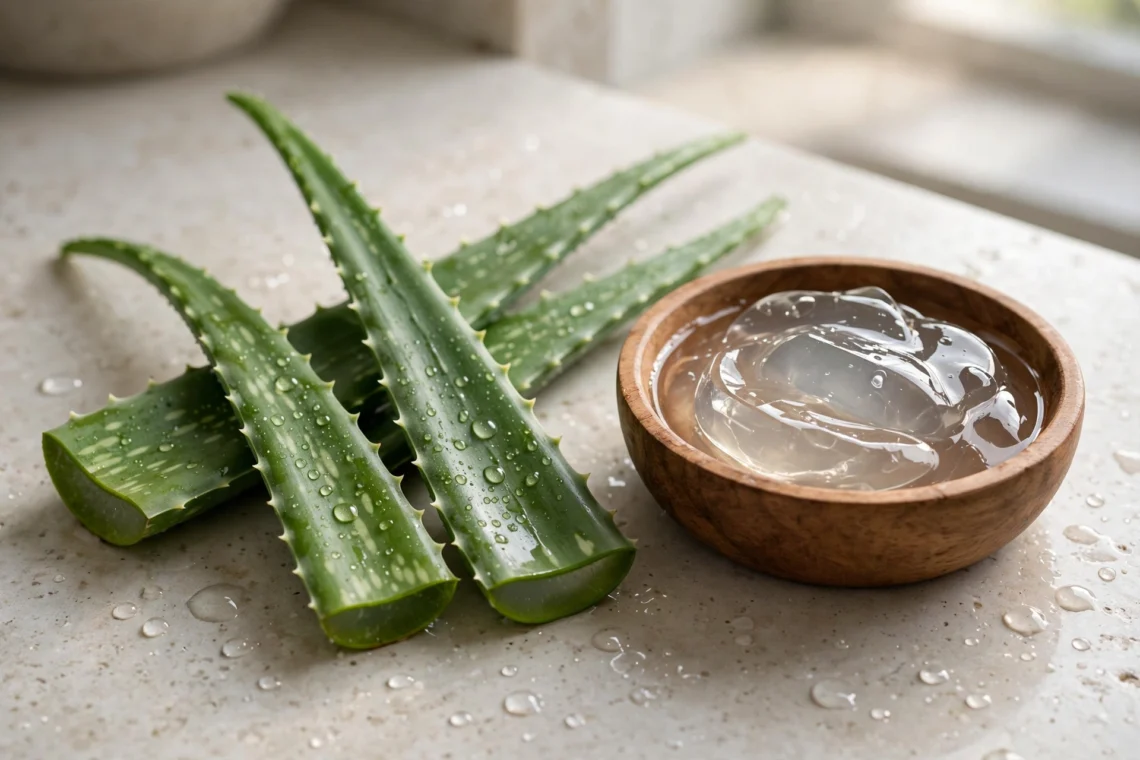
Aloe vera is a succulent plant whose thick leaves store a water-rich, gel-like substance. The plant has been used for skin care for centuries across many cultures, and today it appears in everything from drugstore gels to high-end serums. The gel is made mostly of water, along with polysaccharides, vitamins, minerals, and enzymes that give it its soothing, moisturizing character.
There are two ways to get it onto your face. You can snap open a fresh leaf and scoop out the clear gel yourself, or you can buy an over-the-counter gel where aloe is the main ingredient. Fresh gel from the plant tends to be the purest option, while store-bought versions are more convenient and usually include preservatives that keep the product stable. Both can work; the best choice depends on what you have access to and how your skin responds.
Possible Benefits of Aloe Vera for Your Face
Research on aloe vera is still evolving, and many of its traditional uses rely more on long-standing experience than on large clinical trials. That said, the plant’s properties suggest several ways it may support the look and feel of your skin. Here is what people most commonly use it for.
Soothes Sun-Stressed Skin
This is aloe vera’s most famous job. After time in the sun, skin can feel hot, tight, and uncomfortable, and the cool gel provides almost instant relief. Dermatology associations acknowledge aloe vera as a soothing option for mild sunburn, and its high water content helps skin feel hydrated while it recovers. Keep a tube in the fridge during summer months — chilled aloe on warm skin is one of skincare’s great small pleasures.
Lightweight Hydration
Aloe vera gel is water-based, which makes it an excellent lightweight moisturizer. It absorbs quickly without leaving a greasy film, a quality that people with oily or combination skin especially appreciate. It does not replace a richer moisturizer for very dry skin, but it can serve as a hydrating layer underneath one, helping skin feel softer and more comfortable. For an even deeper look at balancing lightweight hydration with richer products, see our guide to rosehip oil benefits for skin, which pairs beautifully with aloe in layered routines.
Calms the Look of Irritated Skin
Because of its cooling, anti-inflammatory reputation, aloe vera is a popular choice when skin looks red or feels sensitive after shaving, waxing, or over-exfoliating. The gel creates a comfortable, breathable layer that lets skin settle down. Many people also dab a thin layer on areas that feel rough or tight after cleansing.
A Gentle Option for Blemish-Prone Skin
Aloe vera’s anti-inflammatory properties are part of why people with blemish-prone skin reach for it. It may help calm the look of red, inflamed spots without the dryness that harsh spot treatments can cause. Health authorities note that aloe may help with inflammatory forms of acne when combined with other treatments. If you are dealing with persistent breakouts, though, a dermatologist can help you build a plan that actually addresses the root causes — aloe alone is a comfort measure, not a cure.
Supports Skin’s Moisture Barrier
Healthy skin depends on a functioning moisture barrier, and gentle hydration supports it. Aloe vera gel helps skin hold on to water, which contributes to a plumper, more comfortable feel throughout the day. Used consistently as part of a simple routine, it can help skin look smoother and more even. For a deeper discussion of how aloe’s soothing properties fit into evidence-based skin care, Healthline’s overview of aloe vera for the face covers the research behind the most popular claims.
How to Use Aloe Vera on Your Face
Getting the most out of aloe vera is mostly about technique: use the right amount, apply it in the right order, and give it time to absorb. Here is a simple approach that works for most people.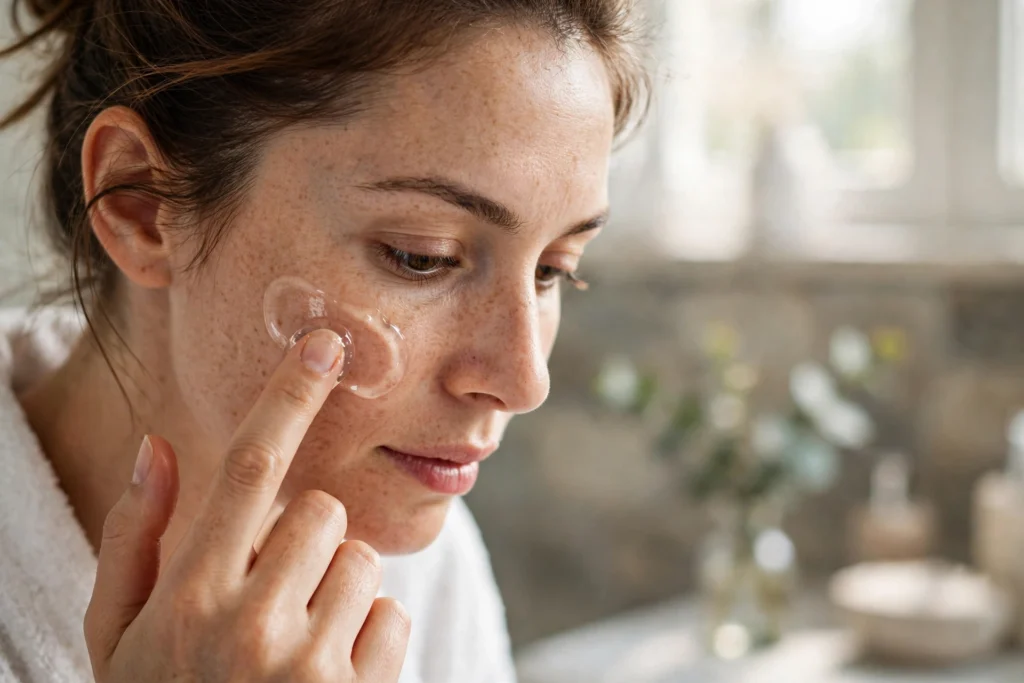
Step-by-Step Application
- Cleanse first. Start with freshly washed skin so the gel absorbs without sitting on top of sunscreen, makeup, or the day’s buildup.
- Apply a thin layer. A pea-sized amount is plenty for the whole face. Massage it in gently with your fingertips using upward motions.
- Layer wisely. Use aloe vera after water-based serums and before heavier creams or oils. This order lets each product absorb properly.
- Let it absorb. Give the gel a minute or two to sink in before applying moisturizer or sunscreen on top.
- Use it morning, night, or both. Aloe vera works as a morning hydrator under sunscreen and as a calming night layer after cleansing.
Using Fresh Aloe From the Plant
If you have an aloe plant at home, cut a mature outer leaf near the base, rinse it, and slice it open lengthwise. Scoop out the clear gel with a spoon, avoiding the yellowish latex near the rind, which can irritate skin. Use the gel immediately or store it in a sealed container in the refrigerator for up to a week. Fresh gel is wonderfully pure, but it spoils quickly, so only harvest what you will use.
Aloe Vera in Different Skincare Routines
One of aloe’s strengths is versatility. Here is how it fits into a few common routine styles.
For Oily or Combination Skin
Oily skin often does well with aloe as its primary daytime hydrator. The gel’s weightless finish hydrates without adding shine, and a layer of sunscreen on top completes the morning routine. At night, follow with whatever treatment products you use; aloe sits comfortably underneath them.
For Dry or Sensitive Skin
If your skin runs dry, think of aloe as the first hydrating layer rather than the finish. Apply the gel to slightly damp skin, then seal it in with a cream or facial oil while everything is still a little moist. This layering technique helps skin feel comfortable for longer than any single product alone.
After Sun or Outdoor Activity
After a long day outdoors, cleanse gently and apply a generous layer of aloe vera gel. Keep the product refrigerated for extra cooling comfort. This is one of aloe’s most satisfying uses — skin that felt tight and warm relaxes noticeably within minutes.
DIY Aloe Vera Face Masks
Aloe vera gel also works as a base for simple at-home masks. Keep recipes minimal: the fewer the ingredients, the lower the chance of irritation.
- Basic calming mask: Apply a thin layer of plain aloe gel, leave for 10 to 15 minutes, then rinse with lukewarm water.
- Aloe and honey: Mix a tablespoon of aloe gel with a teaspoon of raw honey for a mask that feels extra soothing and rinses clean.
- Aloe and cucumber: Blend a few slices of cucumber with aloe gel for a cooling, refreshing mask on warm days.
- Overnight spot treatment: Dab a small amount of gel directly on a blemish before bed and let it work overnight.
Always patch test a new mask recipe on your jawline first, even if you have used aloe before. Combinations can behave differently from the gel alone.
Choosing a Good Aloe Vera Gel
Not all aloe gels are created equal. When shopping, look for products that list aloe vera (or aloe barbadensis leaf juice) as the first ingredient. Shorter ingredient lists are generally better, since added fragrances, dyes, and alcohol can undo the gentleness you are buying the gel for. Clear gels are usually preferable to bright green ones, which often contain added colorants. If the label claims nearly pure aloe, that is a good sign — just make sure it still contains a preservative, since preservative-free water-based products can harbor bacteria.
Safety Tips and Possible Side Effects
Aloe vera is generally safe for topical use, but keep these cautions in mind:
- Patch test first. Apply a small amount behind your ear or on your inner forearm, wait 24 hours, and watch for redness, itching, or hives.
- Skip it on broken or infected skin. Do not apply aloe to open wounds or infected areas; the gel’s protective film may interfere with healing.
- Avoid the yellow latex. When using fresh leaves, the yellow sap near the rind can irritate skin — use only the clear inner gel.
- Watch for reactions. Mild tingling is common, but stop use and rinse off if you develop a rash, burning, or hives.
- Talk to a dermatologist. If you have a chronic skin condition or persistent symptoms, get professional advice before relying on home remedies.
Frequently Asked Questions
Can I use aloe vera on my face every day?
For most people, yes. Aloe vera gel is gentle enough for daily use, morning and night, as long as your skin tolerates it. Start with once daily, watch how your skin responds for a few days, and increase from there if everything looks calm and comfortable.
Should I wash aloe vera off my face?
Not necessarily. A thin layer can stay on as part of your routine, absorbing like any other hydrating product. If you apply a thick layer as a mask, rinse it off after 10 to 15 minutes to avoid any sticky residue.
Is fresh aloe better than store-bought gel?
Fresh gel is the purest option since it has no additives, but it spoils within about a week even refrigerated. Store-bought gels are more convenient and stable thanks to preservatives. Choose based on convenience and how your skin reacts — both can deliver the soothing, hydrating benefits.
Can aloe vera clog pores?
Aloe vera gel is water-based and non-comedogenic for most people, meaning it is unlikely to clog pores. If you have very acne-prone skin, choose a gel without added oils or heavy fragrances, and introduce it gradually while watching for any new breakouts.
Can I mix aloe vera with my moisturizer or foundation?
Yes, mixing a drop of aloe gel into your moisturizer is a popular trick for extra hydration, and some people blend a little into foundation for a dewier finish. Just keep the ratio small so you do not dilute the other product’s performance or change how it sets.
The Bottom Line
Aloe vera for face is popular for good reason: it is affordable, widely available, easy to use, and gentle enough for most skin types. Whether you reach for a fresh leaf or a tube from the store, a thin layer of the cooling gel can add lightweight hydration and comfort to almost any routine. Patch test first, keep your routine simple, and let consistency do the work. Your skin will tell you the rest.