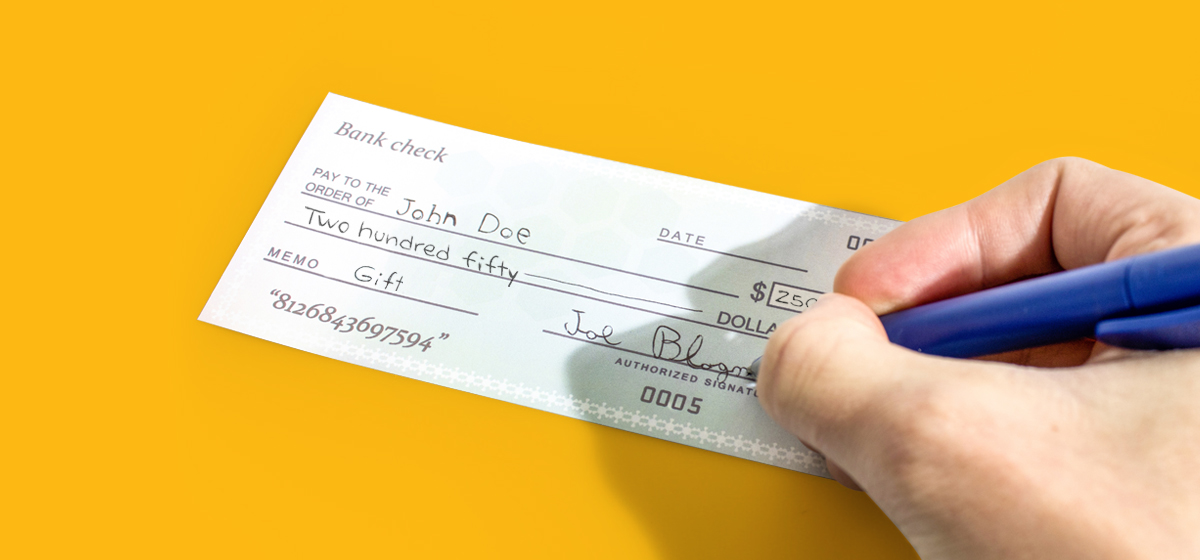
Let’s be honest—banking processes can feel unnecessarily complicated. There’s paperwork, unfamiliar terms, codes printed all over checks, and a whole set of rules around signatures.
This guide will walk you through two foundational banking concepts: how to endorse check and what is an account number—what they mean, why they matter, and how to handle them without second-guessing yourself.
So, let’s start at the beginning.
Why Endorsing a Check Matters
If someone hands you a check, you can’t just take it to a bank and expect them to deposit it straight into your account.
There’s a small but crucial step you need to take before handing it over. It’s called “endorsing” the check. This is basically your way of saying: “Yes, this payment belongs to me, and yes, I want to cash or deposit it.”
It might seem like a small thing—just a signature on the back, right? But it’s how banks track, validate, and authorize transactions. It tells them the person receiving the check is the rightful recipient.
Without an endorsement, your deposit can be delayed, rejected, or flagged for fraud.
Types of Check Endorsements
Depending on what you’re trying to do with the check, your endorsement might look slightly different. Here are the main types you’ll come across:
1. Blank Endorsement
This is the simplest one. You just sign your name on the back of the check, usually on the top line of the endorsement area. That’s it.
But here’s the catch—once you do that, anyone who holds the check can cash or deposit it. So, it’s best to wait until you’re at the bank or ready to use your mobile app before signing.
2. Restrictive Endorsement
This is a little safer. You write something like “For deposit only to account number XXXXXXXX” along with your signature. That way, the check can only be deposited into your account, not cashed or redirected.
It adds a layer of protection—especially useful if you’re mailing the check to your bank or using a remote deposit tool.
3. Endorsement in Full (Special Endorsement)
Let’s say someone gave you a check, but you want to hand it off to someone else—maybe you’re paying a bill or reimbursing a friend. In that case, you can endorse it to a third party by writing, “Pay to the order of [Name]” and then signing it.
Just know that not all banks accept these, and they may ask for ID from both parties.
Want the full step-by-step breakdown? You’ll find it here: how to endorse check.
A Quick Note on Mobile Deposits
A lot of us are skipping the bank visit and depositing checks straight from our phones. That’s great—but don’t forget to endorse the check first.
Some banks also ask you to add a note like “Mobile deposit only” underneath your signature. So always double-check your banking app’s instructions before snapping the photos.
Let’s Talk Account Numbers
Okay, now shifting gears a bit. Ever opened your banking app or checkbook and stared at a bunch of numbers wondering what they all mean? Let’s clear that up.
Knowing what is an account number is pretty essential if you’re doing anything from setting up direct deposit to transferring money or even filling out a form at your employer’s HR office.
What Is an Account Number?
Put simply, your account number is your personal identifier at your bank. It’s the number tied to your checking or savings account and is unique to you.
You’ll usually find it printed on the bottom of your checks—it’s the long string of digits, typically 10 to 12 characters long, sitting next to your bank’s routing number.
It assists banks, utility companies, and other organizations in managing customer accounts, ensuring that transactions and other actions are directed to the correct account.
Here’s what it helps with:
- Setting up direct deposit from your employer
- Paying bills online
- Receiving tax refunds
- Linking accounts to payment apps like Venmo or PayPal
- Authorizing wire transfers or bank-to-bank payments
When someone asks for your bank details, they’re usually referring to your routing number and your account number. You need both for money to move smoothly.
Wait, So What’s the Routing Number Then?
This number is tied to your bank—not to you personally. Every financial institution has a unique routing number to identify it during transfers or transactions.
A routing number instructs the system which bank or credit union should receive or send money, serving as a sort of address for the bank.
In short:
- Routing number = denotes which bank
- Account number = denotes which account in that bank
Both are needed for secure and accurate money transfers.
If you’re ever unsure which is which, this page breaks it down in simple terms: what is an account number.
How to Keep It All Secure
Because your account number is so central to your banking activity, you want to treat it like sensitive information. Here are a few quick safety tips:
- Don’t write it down unless you absolutely have to.
- Never share it over unsecured platforms like social media DMs or public forums.
- If you’re sending a check, consider using a restrictive endorsement.
- Regularly check your statements for suspicious activity.
- Double-check your accounting information when making a transaction; even one wrong digit can derail the whole process.
Wrapping Up
Managing a check properly or knowing what those banking numbers actually mean—it all comes down to being informed and staying a step ahead.
Whether you’re depositing your first paycheck or setting up payments for your business, understanding how to endorse check and knowing what is an account number can help avoid delays, rejections, or costly errors and keep your finances on track.