
If your forehead is shining by midday and your makeup keeps sliding off, you probably have oily skin, and you are not alone. Oily skin is one of the most common skin types, and it comes with its own set of challenges: enlarged-looking pores, frequent breakouts, and that greasy film that seems to return no matter how well you washed your face in the morning. While oily skin has advantages, such as a naturally more resilient barrier and a tendency to show fine lines later, managing the excess oil takes a deliberate routine.
That is where toner comes in. Once dismissed as an optional extra, toner has become a staple step between cleansing and moisturizing, especially for people with oily skin. A well-chosen toner can help remove the last traces of cleanser and impurities, prep the skin to absorb the products that follow, and deliver lightweight ingredients that support oil balance without stripping the skin.
The problem is that the market is flooded with toners, and they are not all the same. Some are gentle and hydrating, others are packed with strong astringents that can leave oily skin irritated and, paradoxically, even oilier. This guide walks you through exactly what to look for in the best toner for oily skin, which ingredients actually matter, how to use toner correctly, and the mistakes that can set your progress back.
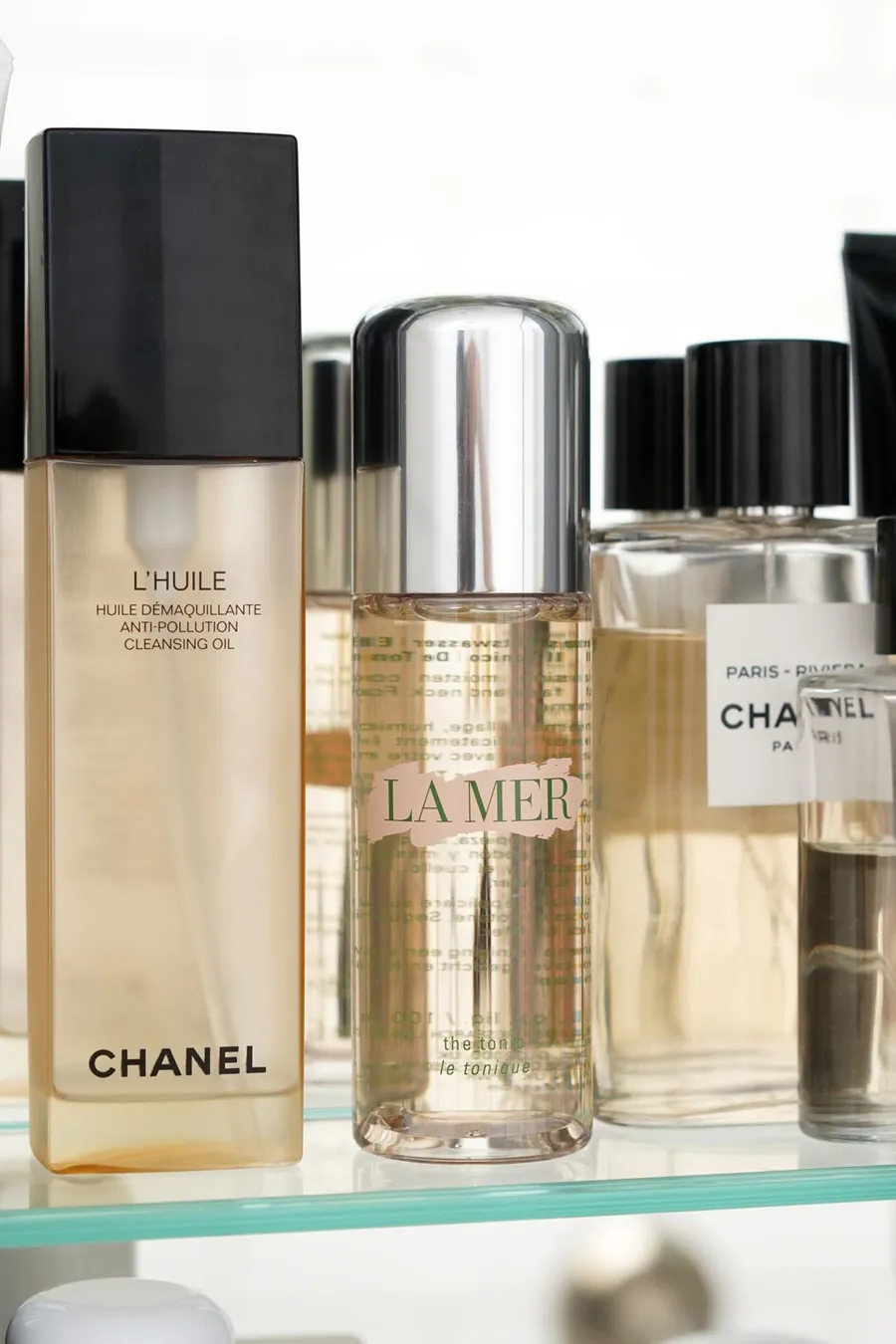
What Does a Toner Do for Oily Skin?
A toner is a water-based liquid applied after cleansing and before serums or moisturizer. Its job is to complete the cleansing step and prime the skin. For oily skin specifically, a good toner can help sweep away residual oil, sweat, and cleanser leftovers, restore the skin’s surface pH after washing, and add a thin layer of hydration or treatment ingredients without heaviness.
It is important to understand what toner cannot do. No toner will permanently change your skin type or shut down your oil glands. Sebum production is largely influenced by genetics and hormones, and it tends to fluctuate with the weather, stress, and age. What a toner can do is help your skin look and feel more balanced throughout the day, make your pores look less noticeable, and create a better canvas for the rest of your routine.
Think of toner as a supporting player rather than the star of the show. Cleanser removes the bulk of oil and grime, treatment products address specific concerns, and moisturizer protects the barrier. Toner bridges those steps, and for oily skin, choosing the right bridge matters more than most people realize.
Key Ingredients to Look For
When comparing toners for oily skin, the ingredient list tells you almost everything. Here are the ingredients most commonly included in formulas designed for oily skin, and why they are there.
Niacinamide
Niacinamide, a form of vitamin B3, is one of the most popular ingredients in products for oily and combination skin. It is often used to help improve the look of enlarged pores and uneven skin tone, and many formulas include it because it pairs well with other ingredients. You will commonly see it at concentrations between two and five percent in toners, where it can support the overall routine without the heavier feel of a serum.
Salicylic Acid
Salicylic acid is an oil-soluble exfoliant, which means it can penetrate into pores more effectively than water-soluble acids. Toners containing small amounts of salicylic acid are often used to help keep pores clear of the buildup that leads to blackheads and breakouts. Because it can be drying at higher strengths, it is best to start with a low concentration and watch how your skin responds.
Green Tea and Witch Hazel
Plant extracts such as green tea are commonly added to toners for their antioxidant properties, while witch hazel is a traditional astringent ingredient often used in products for oily skin. Witch hazel can give that tight, refreshed feeling many people with oily skin enjoy, but it can also be irritating in high amounts or in alcohol-based formulas, so a gentler extract-based version is usually the safer choice.
Lightweight Humectants
It sounds counterintuitive, but oily skin still needs hydration. Humectants like glycerin and hyaluronic acid draw water into the skin’s surface without adding oil, and they are often included in toners to keep the skin comfortable after cleansing. A toner that hydrates lightly is less likely to trigger the tight, stripped feeling that leads to rebound oiliness later in the day.
Ingredients to Be Cautious With
Not every ingredient marketed for oily skin is a good idea for daily use. Keep an eye out for these:
- High-concentration alcohol: Formulas where alcohol (often listed as alcohol denat or SD alcohol) appears near the top of the ingredient list can strip the skin, disrupt the barrier, and leave skin feeling tight. A little alcohol far down the list is different from an alcohol-heavy astringent.
- Strong fragrances: Added fragrance, whether synthetic or from essential oils, is a common source of irritation. Fragrance-free or low-fragrance options are generally safer, especially if your skin is also sensitive.
- Harsh physical scrubs: Toners should not contain gritty exfoliating particles. If you want exfoliation, a chemical exfoliant at a sensible concentration is the gentler route.
- Multiple strong actives at once: A toner that combines high-strength acids, retinoids, and benzoyl peroxide in one bottle is asking for irritation. One or two well-chosen actives per product is plenty.
How to Choose the Right Toner for Your Oily Skin
Follow these steps to narrow down your options and pick a toner that suits your skin.
- Decide what you want the toner to do. Are you mainly fighting midday shine, dealing with clogged pores and breakouts, or looking for light hydration? A shine-control formula and a pore-care formula can look quite different, so start with your top priority.
- Read the full ingredient list, not just the front label. Marketing terms like “purifying” or “mattifying” are not regulated. The ingredient list, ordered by concentration, is where the truth lives. Look for the helpful ingredients above and check that harsh ones are absent or far down the list.
- Match the formula to your sensitivity level. If your skin flushes easily or stings with new products, choose an alcohol-free, fragrance-free toner with soothing ingredients. If your skin is resilient, you can experiment with mild acids.
- Consider the finish you prefer. Some toners leave a slightly tacky layer that helps the next product grip; others dry down completely matte. Neither is better in absolute terms, but the finish affects how your moisturizer and sunscreen layer on top.
- Patch test before committing. Apply a small amount behind your ear or along your jawline for a few days before using a new toner all over your face. This simple step catches most bad reactions early.
- Give it time. A toner needs at least two to four weeks of consistent use before you can fairly judge it. Switching products every few days makes it impossible to tell what is actually working.
How to Use Toner in Your Routine
Application matters almost as much as the formula. Here is the standard method that works for most people with oily skin:
- Wash your face with a gentle cleanser suited to oily skin, then pat dry, leaving the skin slightly damp.
- Dispense a small amount of toner. If using a cotton pad, saturate it lightly; if applying with hands, use a coin-sized amount.
- Sweep or press the toner over your face and neck, avoiding the immediate eye area. Pressing with palms wastes less product than a cotton pad and is gentler on the skin.
- Wait about a minute for the toner to absorb, then continue with serum, moisturizer, and, in the morning, sunscreen.
Most people do well using toner once or twice a day. If your toner contains exfoliating acids, start with once daily or every other day and increase only if your skin stays comfortable. Overuse of exfoliating toners is one of the fastest ways to damage the skin barrier.
Common Mistakes to Avoid
- Using toner to replace cleansing: Toner is not a cleanser. Skipping your wash and wiping with toner leaves oil, sunscreen, and pollutants behind.
- Applying toner on completely dry skin with a rough cotton pad: Tugging and friction irritate the skin. Press gently on slightly damp skin instead.
- Layering too many actives: If your toner has salicylic acid, do not stack it with a strong acid serum and a retinoid on the same night without knowing your tolerance.
- Skipping moisturizer because your skin is oily: Oily skin still needs moisture. A lightweight, oil-free moisturizer keeps the barrier healthy and can actually help oil production stay balanced.
- Expecting instant transformation: Skincare works gradually. Chasing overnight results usually leads to over-exfoliation and setbacks.
When to See a Dermatologist
If your oiliness comes with persistent, painful breakouts, or if over-the-counter products consistently irritate your skin, it is worth getting professional advice rather than cycling through more products. You can also review the American Academy of Dermatology’s skincare guidance for general tips on building a routine around your skin type. A dermatologist can identify whether something beyond ordinary oily skin is going on and suggest prescription options if needed.
FAQs About Toners for Oily Skin
Should I use toner every day if I have oily skin?
Most people with oily skin can use a gentle toner once or twice daily. If the toner contains exfoliating acids, start less often, such as every other day, and increase frequency only if your skin remains comfortable and calm.
Is witch hazel toner good for oily skin?
Witch hazel is a traditional ingredient in products for oily skin and many people like the refreshed feeling it gives. Alcohol-free versions are generally gentler. If your skin is sensitive or easily irritated, you may prefer a formula built around niacinamide or green tea instead.
Can toner shrink my pores?
Pore size is largely determined by genetics, so no product can permanently shrink pores. Toners that keep pores clear of oil and debris can make pores look smaller and less noticeable, which is a realistic and worthwhile benefit.
Should I apply toner with my hands or a cotton pad?
Both methods work. Cotton pads give a light extra sweep of residue but create more friction and waste more product. Applying with clean hands by pressing is gentler and more economical, and many people with oily or sensitive skin prefer it.
Do I still need moisturizer if I use a hydrating toner?
Yes, in most cases. Toner adds a light layer of water and treatment ingredients, but moisturizer seals that in and supports the skin barrier. Choose a lightweight, oil-free or gel moisturizer so it suits oily skin without feeling heavy.
Choosing the best toner for oily skin comes down to matching the formula to your skin’s actual needs: look for proven ingredients like niacinamide or a mild exfoliant, skip harsh alcohols and heavy fragrance, and introduce the product gradually. Used correctly, a good toner becomes the quiet workhorse of your routine, keeping shine in check and prepping your skin for everything that follows. And if uneven tone is also on your mind, take a look at our guide to choosing a serum for dark spots to round out your routine.




One comment on “Best Toner for Oily Skin: How to Choose the Right One”