Shopping for a toner when you have dry skin can feel confusing. Walk down any skincare aisle or scroll through an online store and you will find dozens of bottles promising glow, hydration, and balance. Yet many toners were originally designed for oily skin and can leave dry skin feeling even tighter. The good news is that the right toner can be one of the most comforting steps in a dry-skin routine, delivering a first layer of water-based hydration that everything else builds on.
This guide explains what a toner actually does for dry skin, which hydrating ingredients to look for, which formulas to avoid, how to apply toner for maximum benefit, and how to choose a formula by ingredient type. Whether you are buying your first toner or replacing one that never quite worked, you will know exactly what to look for on the label.
What a Toner Actually Does for Dry Skin
A toner is a lightweight, water-based liquid applied after cleansing and before serums and moisturizers. For dry skin, its main job is hydration, not the deep cleansing or oil control that older generations of toners were known for. Modern hydrating toners act like a drink of water for the skin: they replenish moisture stripped away by cleansing and create a damp base that helps the rest of your routine absorb better.
Think of your skincare routine in layers. Cleanser removes; toner rehydrates; serum treats; moisturizer seals. When the toner layer is missing or poorly chosen, the products that follow have to work harder. A good hydrating toner also helps dry skin feel comfortable immediately after washing, closing that vulnerable window when a freshly cleansed face can feel tight and exposed.
It is worth setting expectations honestly. A toner will not transform severely dry skin on its own, and it is no substitute for a good moisturizer. But as part of a complete routine, it meaningfully improves how hydrated and supple your skin feels throughout the day.
Key Hydrating Ingredients to Look For
When you read a toner label, the ingredient list tells you almost everything. These are the ingredients that signal a toner is genuinely made for dry skin:
Hyaluronic Acid
Hyaluronic acid is a humectant, which means it attracts and holds water. In toners, it helps pull moisture into the skin’s surface and keep it there, leaving skin feeling plump and dewy. Look for it under names like sodium hyaluronate, which is a common, stable form used in cosmetic formulas. It pairs well with almost every other skincare ingredient, making it a safe first choice.
Glycerin
Glycerin is one of the oldest and most reliable humectants in skincare. It draws moisture from the environment and from deeper skin layers toward the surface, and it has a long track record of being gentle and well tolerated. A toner with glycerin high on the ingredient list is almost always a good sign for dry skin.
Ceramides and Panthenol
Ceramides are lipids that occur naturally in the skin barrier, and panthenol (pro-vitamin B5) is known for its soothing, moisture-supporting qualities. Toners containing these ingredients do double duty: they hydrate while also supporting the barrier that keeps that hydration from escaping. This combination is especially helpful for dry skin that also feels sensitive.
Soothing Botanicals
Plant-derived ingredients like aloe vera, rose water, chamomile, green tea, and calendula can add a calming, comforting feel to a toner. They are not primary hydrators on their own, but in a well-formulated toner they complement the humectants nicely. If your dry skin tends to look red or feel reactive, soothing botanicals are a welcome bonus.
Beta-Glucan and Amino Acids
Beta-glucan is a soothing humectant derived from oats and other sources, and amino acids are building blocks of the skin’s natural moisturizing factors. Both are gentle, effective additions that help dry skin hold onto water. You will often find them in toners marketed for sensitive or barrier-supportive care.
Ingredients and Formulas to Avoid
Just as important as knowing what to look for is knowing what to skip. Certain ingredients and formula styles can undermine everything a toner is supposed to do for dry skin:
- High concentrations of denatured alcohol. Alcohol denat near the top of the ingredient list can strip the skin and worsen dryness and tightness. A small amount of fatty alcohols (like cetyl or cetearyl alcohol) is fine; those are moisturizing, not drying.
- Strong astringent formulas. Toners built around witch hazel or menthol are designed to tighten and degrease, which is the opposite of what dry skin needs.
- Heavy fragrance. Added fragrance and strongly scented essential oils increase the chance of irritation, especially on dry, sensitive skin. Fragrance-free or lightly scented formulas are safer.
- High-strength exfoliating acids as a daily toner. Glycolic or salicylic acid toners can be useful in small doses, but a daily acid-heavy toner is usually too much for dry skin and can compromise the barrier.
- Very watery formulas with no humectants. If the ingredient list is essentially water plus preservatives and fragrance, the toner is unlikely to do much for dryness.
How to Choose the Best Toner for Your Dry Skin
With the ingredient knowledge above, choosing becomes much simpler. Use this checklist when comparing options:
- Check the first five ingredients. You want to see water plus at least one strong humectant, such as glycerin or hyaluronic acid, near the top of the list.
- Look for “hydrating,” “moisturizing,” or “for dry skin” on the label. Marketing terms are not regulated, but they do signal the formula’s intent. Then verify with the ingredient list.
- Prefer fragrance-free if your skin is sensitive. Dry skin and sensitivity often travel together, and skipping fragrance removes a common irritant.
- Consider the texture. Slightly viscous, essence-like toners tend to be more hydrating than thin, watery ones. A toner that feels like nothing is probably doing nothing.
- Match it to your climate. In very dry or heated indoor air, humectants work best when sealed in with a moisturizer afterward; the toner is step one, not the whole solution.
- Patch test new products. Apply a new toner to a small area for a few days before using it all over your face, particularly if your skin reacts easily.
How to Apply Toner for Maximum Hydration
Technique matters almost as much as formula. Follow these steps to get the most out of your toner:
- Apply to damp skin. After cleansing, leave your face slightly damp rather than bone dry. Humectants work best when there is water available to bind.
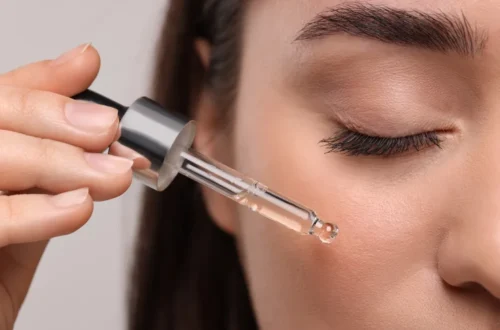
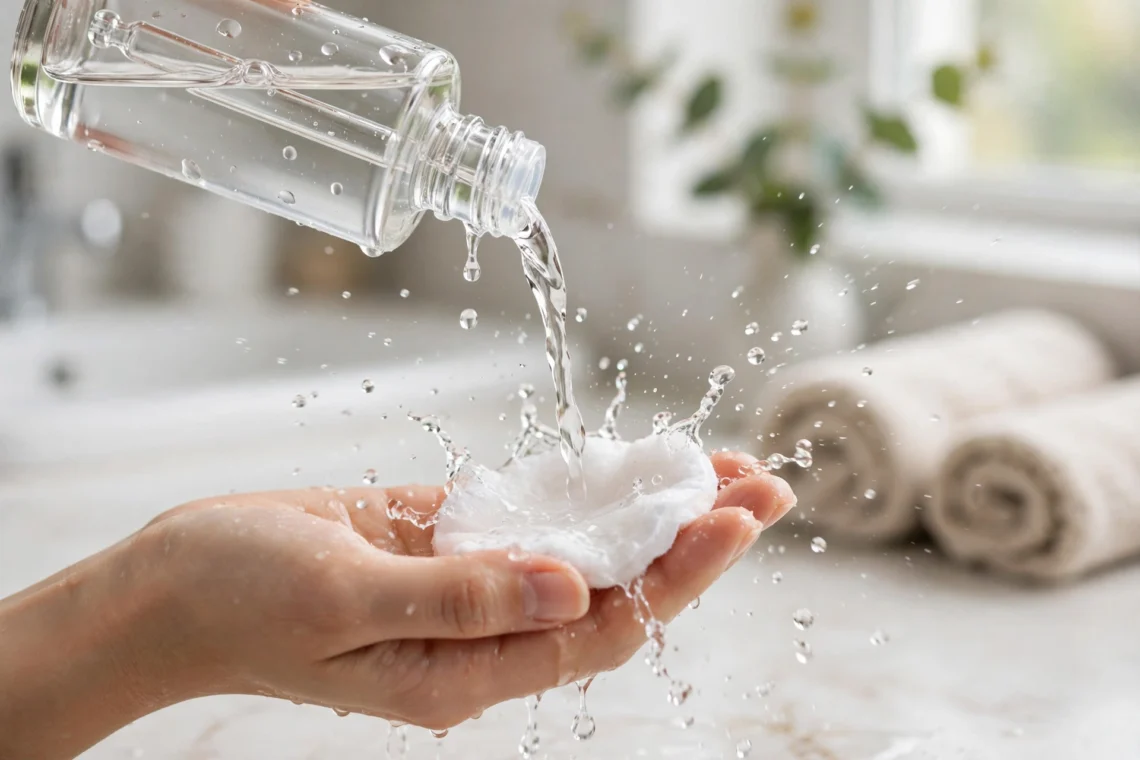
- Use your hands, not a cotton pad. Patting toner in with clean fingertips presses the product into the skin and wastes less. Cotton pads can be mildly exfoliating and absorb too much product, which is not ideal for dry skin.
- Layer if needed. The “multiple thin layers” approach, sometimes called the 3-skin or 7-skin method, involves patting on two or three light layers of toner instead of one. This can significantly boost hydration on very dry days.
- Follow quickly with serum and moisturizer. Do not let the toner dry down completely before moving on. Sealing it in promptly with the next steps keeps the hydration where it belongs. At night, you can even finish with a nighttime slugging skincare routine to lock everything in while you sleep.
- Use it twice daily. Toner belongs in both your morning and evening routines. Consistency matters more than quantity.
Toner Picks by Ingredient Type
Rather than recommending specific brands, which change formulas and availability over time, here is how to think about toner categories for dry skin. Any of these types can be the best toner for dry skin if the formula is well made:
Humectant-Focused Hydrating Toners
These are the workhorses: lightweight liquids built around glycerin, hyaluronic acid, or both, often with a short, simple ingredient list. They suit almost every dry skin type and layer well under any serum. If you want one safe, versatile choice, start here.
Milky or Cream Toners
Milky toners have a lotion-like texture and usually combine humectants with emollients for extra comfort. They feel richer on the skin and are an excellent pick for very dry or winter-stressed skin that needs more than a watery layer.
Essence-Style Toners
Thicker, slightly viscous toners that blur the line between toner and essence. They often contain fermented ingredients, beta-glucan, or multiple humectants. These are ideal if you like to layer and want a more substantial first step.
Soothing and Calming Toners
Formulas centered on aloe, chamomile, rose water, or green tea, best for dry skin that is also red or reactive. They hydrate gently while helping the skin feel calm. Just make sure the soothing ingredients sit alongside real humectants, not instead of them.
When to Ask a Dermatologist About Dry Skin
Most dryness responds well to a consistent routine with a hydrating toner, a good moisturizer, and gentle cleansing. But some situations deserve professional input. If your dryness is severe, cracked, or painful, if it does not improve after several weeks of good care, or if it appears alongside redness, itching, or scaling that could indicate eczema or another condition, see a dermatologist. The American Academy of Dermatology provides patient guidance on dry skin and finding a board-certified dermatologist near you.
Frequently Asked Questions
Should people with dry skin use toner every day?
Yes. A hydrating toner is designed for daily use, morning and evening, right after cleansing. Unlike old-fashioned astringent toners, modern hydrating formulas do not strip the skin, so daily use is both safe and beneficial for dry skin types.
Can toner replace moisturizer for dry skin?
No. Toner adds a layer of water-based hydration, but dry skin also needs the emollients and occlusives in a moisturizer to seal that hydration in and protect the barrier. Skipping moisturizer and relying on toner alone usually leaves dry skin feeling tight again within an hour or two.
Is hyaluronic acid toner good for dry skin in dry climates?
It can be, as long as you seal it in. Humectants like hyaluronic acid work best when followed promptly by a moisturizer, especially in dry or heated indoor air. Applied alone and left to dry down in very arid conditions, any humectant is less effective, so always layer your routine.
What is the difference between a hydrating toner and an essence?
The line is blurry. Traditionally, toners are thinner and applied first, while essences are slightly thicker and more treatment-focused. In practice, many products could be called either. For dry skin, what matters is the ingredient list and texture, not the name on the bottle.
How long does a bottle of toner usually last?
That depends on the bottle size and how much you use, but with typical twice-daily use of a few drops patted in by hand, most people find a standard bottle lasts several weeks to a couple of months. Using your hands rather than cotton pads makes the product last noticeably longer.