If you have spent any time browsing skincare forums or beauty communities online, you have probably come across the term “slugging.” The name sounds strange, but the technique behind it is remarkably simple: after completing your regular nighttime skincare routine, you seal everything in with a thin layer of an occlusive product, most commonly petrolatum. The glossy, slightly shiny finish this leaves on the skin is what gave the method its memorable name.
Slugging skincare has become popular because it is affordable, easy to do, and genuinely helpful for people with dry or dehydrated skin. Rather than adding another expensive serum to your shelf, slugging works by making the products you already use work better. In this guide, we will walk through exactly what slugging is, why it works, how to do it step by step, who benefits most, who should skip it, and what dermatologists want you to know before you try it.
What Is Slugging Skincare?
Slugging is a nighttime skincare technique in which you apply a layer of an occlusive moisturizer, usually a petrolatum-based ointment, as the very last step of your evening routine. Occlusives are ingredients that sit on top of the skin and form a physical barrier. That barrier slows down transepidermal water loss, which is the process by which water evaporates from the skin’s surface into the air around you.
The practice itself is not new. Dermatologists have recommended petrolatum as a skin protectant for decades, particularly for people with dry, cracked, or sensitive skin, and for supporting the skin after minor irritation. What is new is the catchy name and the way the technique has been packaged as a routine anyone can try at home. Unlike many trends that rely on exotic ingredients, slugging relies on one of the most well-studied and widely available moisturizing ingredients in existence.
The key detail is timing. Slugging is done at night, not in the morning. The occlusive layer is meant to stay on your skin for several hours while you sleep, giving your skin barrier time to repair itself. In the morning, you simply wash your face as usual and continue with your daytime routine.
Why Slugging Works: The Science of Occlusion
Your skin naturally loses water to the environment throughout the day and night. This is normal, but when the skin barrier is weakened by cold weather, dry indoor heating, over-cleansing, or harsh products, that water loss speeds up and the skin becomes dry, tight, or flaky. Occlusive ingredients address this directly by creating a seal over the skin’s surface that dramatically slows evaporation.
Petrolatum is one of the most effective occlusive ingredients available. It does not add moisture to the skin by itself; instead, it locks in the moisture that is already there. This is why slugging works best when it is layered over hydrating products such as a damp face, a hydrating serum, or a regular moisturizer. The occlusive top layer traps all of that hydration underneath, letting your skin absorb it slowly over the course of the night.
There is a secondary benefit as well. By keeping the skin surface moist and protected, the occlusive layer creates conditions that help the skin barrier recover. A healthy barrier is better at holding onto water on its own, which means consistent slugging over time can gradually improve how your skin feels even on nights when you skip the technique.
The Key Benefits of Slugging
When done correctly and by the right skin types, slugging can deliver noticeable results. Here are the most commonly reported benefits:
- Reduced overnight dryness. Many people wake up with skin that feels softer and more comfortable instead of tight and papery.
- Better hydration retention. The occlusive seal helps your serums and moisturizer keep working for hours rather than evaporating away.
- Support for the skin barrier. A protected, well-hydrated surface gives the barrier time to repair itself, which is especially useful in winter or in dry climates.
- Calmer, less flaky skin. By preventing water loss, slugging can reduce the flaking and rough texture that come with dehydrated skin.
- Affordability and simplicity. The technique requires no special equipment and uses a product that is inexpensive and widely available.
- Compatibility with existing routines. Slugging does not replace your serums or moisturizers; it simply adds one final sealing step.
How to Slug Your Skin: A Step-by-Step Nighttime Routine
Slugging is straightforward, but the order of your products matters. Follow these steps for the best results:
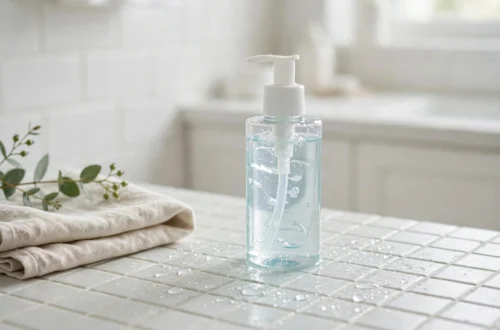
- Cleanse gently. Wash your face with a mild, non-stripping cleanser to remove sunscreen, makeup, and the day’s buildup. Pat your skin lightly, leaving it slightly damp.
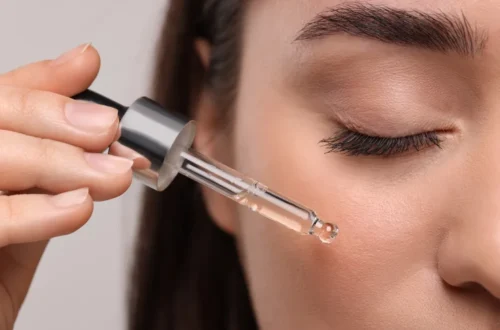
- Apply hydrating products. While your skin is still damp, apply a hydrating toner for dry skin, a hydrating serum, or both. Damp skin absorbs water-based products more readily, and the occlusive layer you add later will seal all of that moisture in.
- Moisturize as usual. Apply your regular nighttime moisturizer over your hydrating products. This gives the occlusive layer something to lock in and adds its own nourishing ingredients.
- Apply any treatment products first if needed. If you use prescription treatments or targeted serums, apply them before your moisturizer so they can reach the skin directly. The occlusive layer always goes last.
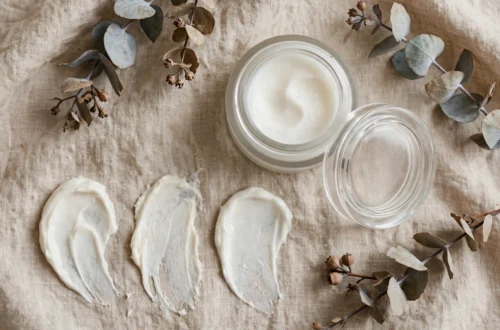
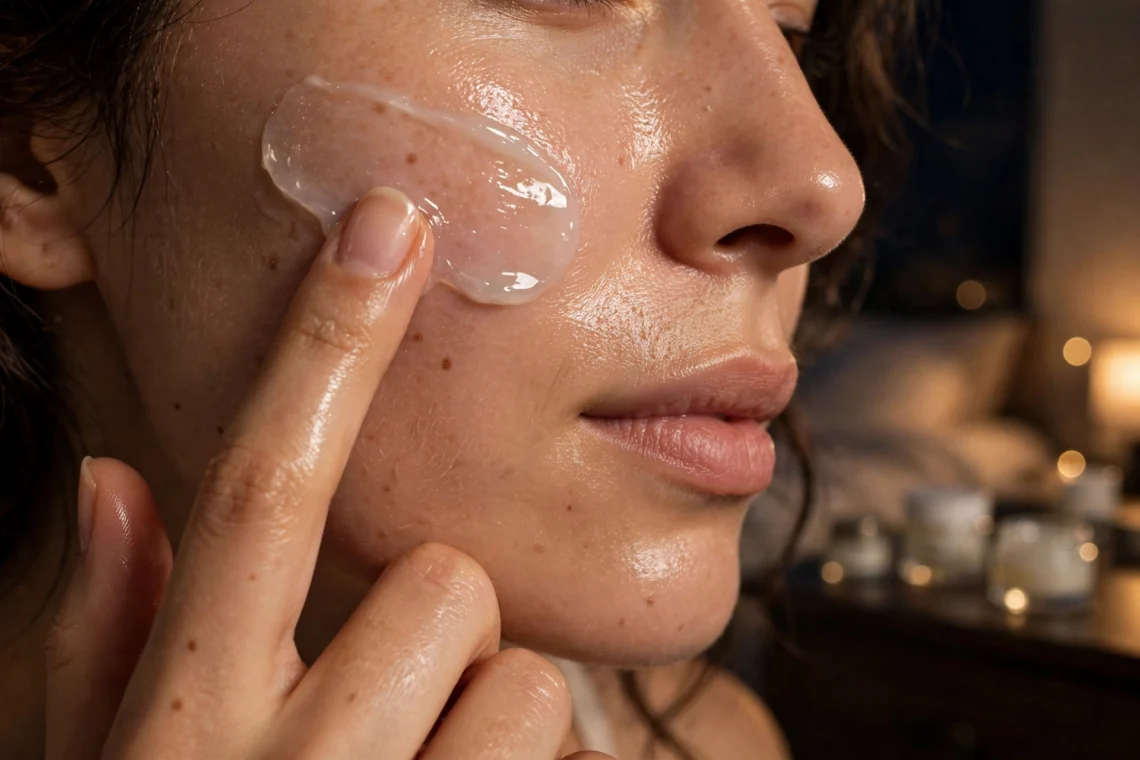
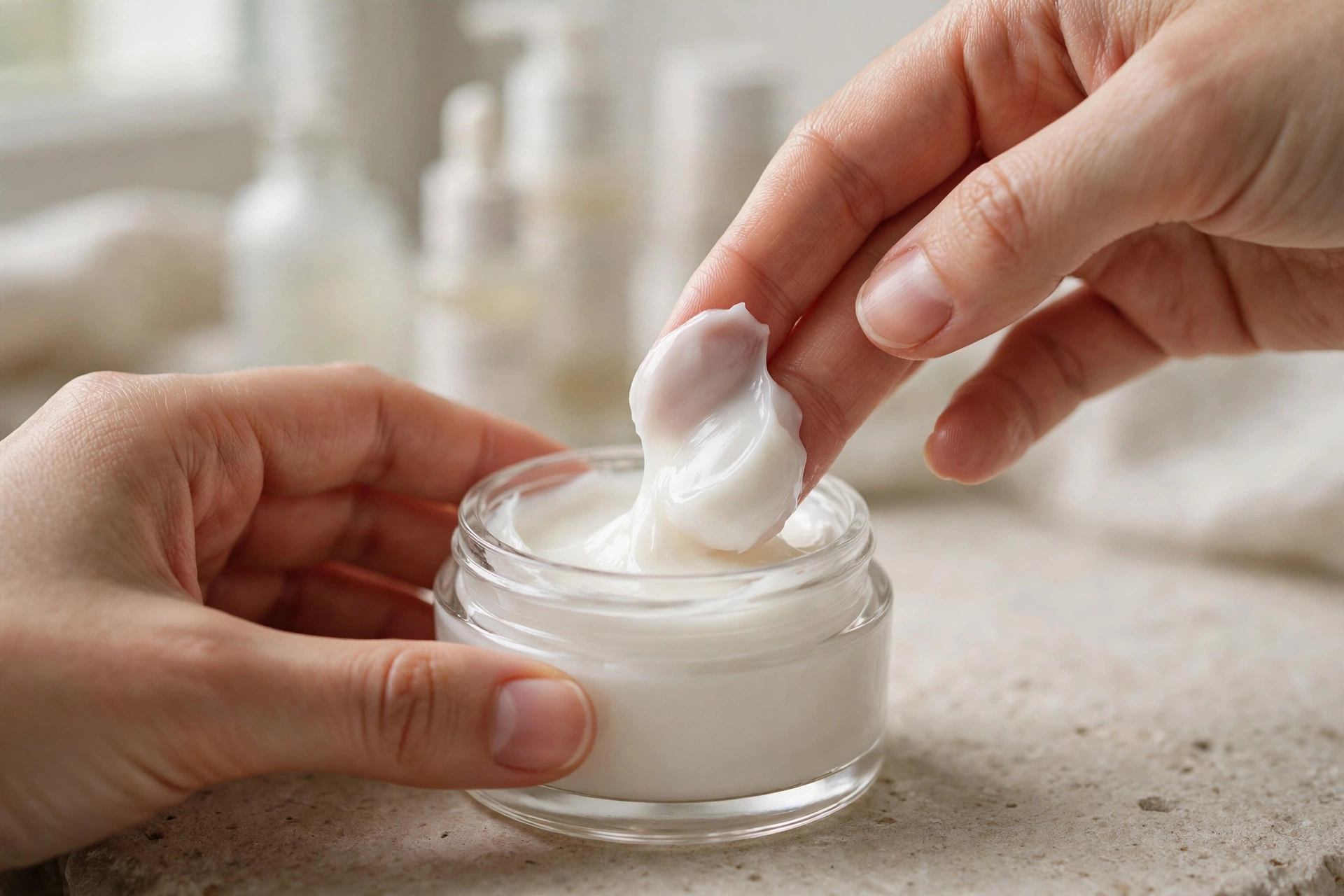
- Seal with the occlusive. Scoop a pea-sized to dime-sized amount of petrolatum or a petrolatum-based ointment, warm it between your fingertips, and press a thin, even layer over your entire face. A little goes a long way; you want a light sheen, not a thick mask.
- Protect your pillow. The occlusive layer can transfer to bedding. Use a pillowcase you do not mind getting a little product on, or place a soft towel over your pillow.
- Rinse in the morning. Wash your face with your usual morning cleanser to remove the occlusive layer, then follow with your daytime routine and sunscreen.
Who Should Try Slugging?
Slugging is best suited for people with dry, dehydrated, or sensitive skin, especially during winter months or in dry climates where indoor heating pulls moisture from the air. If your skin often feels tight after cleansing, looks dull, or develops flaky patches, the extra overnight seal can make a real difference.
People with a compromised skin barrier also tend to do well with slugging. Signs of a weakened barrier include stinging when you apply products, persistent redness, and dryness that does not improve with regular moisturizer alone. In these cases, a few nights of slugging per week can help the barrier recover. Those with eczema-prone skin sometimes use a similar technique on body areas, though it is wise to check with a dermatologist first if you have a diagnosed skin condition.
Mature skin, which naturally produces less oil and loses water more quickly, is another good candidate. The technique is also popular with people who use drying active ingredients, such as retinoids, because the occlusive layer can reduce the flaking and irritation those products sometimes cause, as long as the active is well tolerated in the first place.
Who Should Avoid Slugging?
Slugging is not for everyone. The most important group to exercise caution is people with acne-prone or very oily skin. An occlusive layer traps everything underneath it, including the skin’s natural oils, sweat, and bacteria. For skin that is already prone to clogged pores, this can increase the likelihood of breakouts, blackheads, or a condition sometimes called “slugging acne” by people who tried the technique and regretted it.
You should also skip slugging, or at least be very cautious, if you have an active skin infection, open wounds, cold sores, or a rash that has not been diagnosed. Sealing the skin in these situations can trap irritants or microbes against the skin and make things worse. Similarly, if you are using strong exfoliating acids or prescription-strength retinoids and your skin is already irritated, adding an occlusive on top can intensify the product’s effects and lead to more redness or peeling, because occlusion can increase how much of an active ingredient penetrates the skin.
A good rule of thumb: if your skin is currently calm and you simply want more hydration, slugging is worth trying. If your skin is currently angry, broken out, or reacting to something, resolve that first before adding an occlusive seal.
Dermatologist Guidance: Slugging the Safe Way
Dermatologists generally view slugging as a safe and sensible technique for the right skin types, largely because petrolatum is one of the most thoroughly studied ingredients in skincare and is considered non-comedogenic in its pure form by many dermatology references. Still, professional guidance emphasizes doing it thoughtfully rather than treating it as a cure-all.
How Often Should You Slug?
Most dermatologists suggest starting with two to three nights per week and observing how your skin responds. If your skin feels comfortable and looks healthier, you can increase the frequency. Many people with very dry skin slug nightly through the winter and scale back in warmer, more humid months. There is no universal schedule; the right frequency is the one your skin tolerates well.
Can You Slug Over Active Ingredients?
Occlusion increases penetration, which means layering an occlusive over strong actives can make them work more intensely. This can be helpful with gentle hydrating ingredients but risky with potent ones. If you use retinoids or exfoliating acids, consider slugging only on nights when you skip those actives, or ask your dermatologist how to combine them safely.
When to See a Dermatologist
If dryness persists despite good moisturizing habits, if you develop new breakouts after starting slugging, or if you have a diagnosed condition such as eczema, rosacea, or acne, professional advice is worth getting. The American Academy of Dermatology offers patient resources on dry skin care and when to seek help from a board-certified dermatologist.
Common Slugging Mistakes to Avoid
- Using too much product. A thick layer does not work better; it just feels greasy and transfers everywhere. A thin sheen is enough.
- Slugging on unwashed skin. Always cleanse first. Sealing dirt, sunscreen residue, or makeup under an occlusive is asking for clogged pores.
- Applying it in the morning. Occlusives can pill under makeup and sunscreen, and daytime slugging offers little extra benefit since you are awake and moving.
- Expecting it to fix acne. Slugging is a hydration technique, not an acne treatment. Acne-prone skin types are the ones most likely to react badly to it.
- Ignoring irritation. If your skin stings, breaks out, or develops bumps after slugging, stop and reassess rather than pushing through.
Frequently Asked Questions
Is slugging good for oily skin?
Generally, no. Oily and acne-prone skin types are the most likely to experience clogged pores and breakouts from an occlusive layer, because it traps the skin’s own oils against the surface. If your skin is oily, lighter gel moisturizers and good hydration habits are usually a better fit than slugging.
Can I slug every night?
Many people with very dry skin do slug nightly, especially in winter, and tolerate it well. The safer approach is to start with a few nights per week and increase gradually. If your skin stays calm and comfortable, nightly slugging is generally fine for dry skin types.
What product should I use for slugging?
Plain petrolatum ointment is the classic choice because it is a proven, effective occlusive and is widely available. Petrolatum-based healing ointments also work well. Avoid products with added fragrances or strong active ingredients for this step, since the goal is a simple, inert seal.
Does slugging clog pores?
Pure petrolatum is generally considered non-comedogenic, meaning it is not expected to clog pores on its own. However, the occlusive layer can trap other things against the skin, such as residual sunscreen, makeup, or your skin’s own oils, which can lead to breakouts, particularly in acne-prone individuals. Proper cleansing beforehand greatly reduces this risk.
How long does it take to see results from slugging?
Many people notice softer, more comfortable skin after the very first night. Improvements in flakiness and barrier comfort typically build over one to two weeks of consistent use. If you see no benefit after a couple of weeks, the technique may simply not be necessary for your skin type.