Whiteheads are those small, flesh-colored or whitish bumps that appear when a pore becomes completely blocked under the skin’s surface. Unlike blackheads, the pore stays closed, trapping sebum and dead skin cells beneath a thin layer of skin. If you want to learn how to get rid of whiteheads safely — without the picking, scarring, and frustration — this guide walks you through what causes them and the proven methods that actually work.
What Are Whiteheads?
A whitehead is a closed comedone: a pore clogged with oil, dead skin cells, and sometimes bacteria, sealed beneath the skin. Because the pore is closed, air cannot reach the trapped material, so it does not oxidize and darken like a blackhead. Instead, it forms a small raised white or skin-colored bump.
Whiteheads most commonly appear on the forehead, nose, chin, and jawline — the oily T-zone and areas where hormones trigger extra sebum production. The main causes include excess oil, buildup of dead skin cells that fail to shed normally, hormonal fluctuations (puberty, menstrual cycle, stress), heavy or pore-clogging cosmetics, and touching the face throughout the day.
How to Get Rid of Whiteheads: 9 Proven Methods
1. Cleanse Gently Twice a Day
Wash your face every morning and night with a mild, non-comedogenic cleanser and lukewarm water. This clears away the excess oil and debris that feed whiteheads without stripping your skin. Pat the face dry instead of rubbing, and always cleanse after sweating or wearing heavy makeup.
2. Exfoliate With Salicylic Acid
Salicylic acid is an oil-soluble beta hydroxy acid that penetrates into clogged pores and dissolves the mixture of sebum and dead cells behind whiteheads. Products with 0.5% to 2% salicylic acid — in cleansers, toners, or leave-on treatments — are among the most effective over-the-counter options. Start a few times per week and increase as your skin adjusts.
3. Add a Retinoid to Your Nighttime Routine
Topical retinoids such as adapalene (Differin gel, available without a prescription) speed up cell turnover, which stops dead cells from sealing pores shut in the first place. They are considered one of the best long-term treatments for whiteheads. Apply a pea-sized amount at night two to three times a week at first, increasing gradually, and always use sunscreen during the day since retinoids increase sun sensitivity.
4. Try Benzoyl Peroxide
Benzoyl peroxide has anti-inflammatory and antibacterial properties that dry out excess oil and keep pores unclogged. It comes in washes, gels, and creams. Start with a lower concentration (2.5%) to see how your skin reacts, as higher strengths can be drying. Many people use it in the morning and a retinoid at night for a complementary routine.
5. Use Alpha Hydroxy Acids (AHAs)
AHAs such as glycolic acid, lactic acid, and citric acid exfoliate the skin’s surface, dissolving the dead cell buildup that seals pores closed. A gentle AHA serum or peel pad used one to three times a week can visibly reduce whiteheads over time. Test on a small patch of skin first to check for sensitivity.
6. Apply Tea Tree Oil (Diluted)
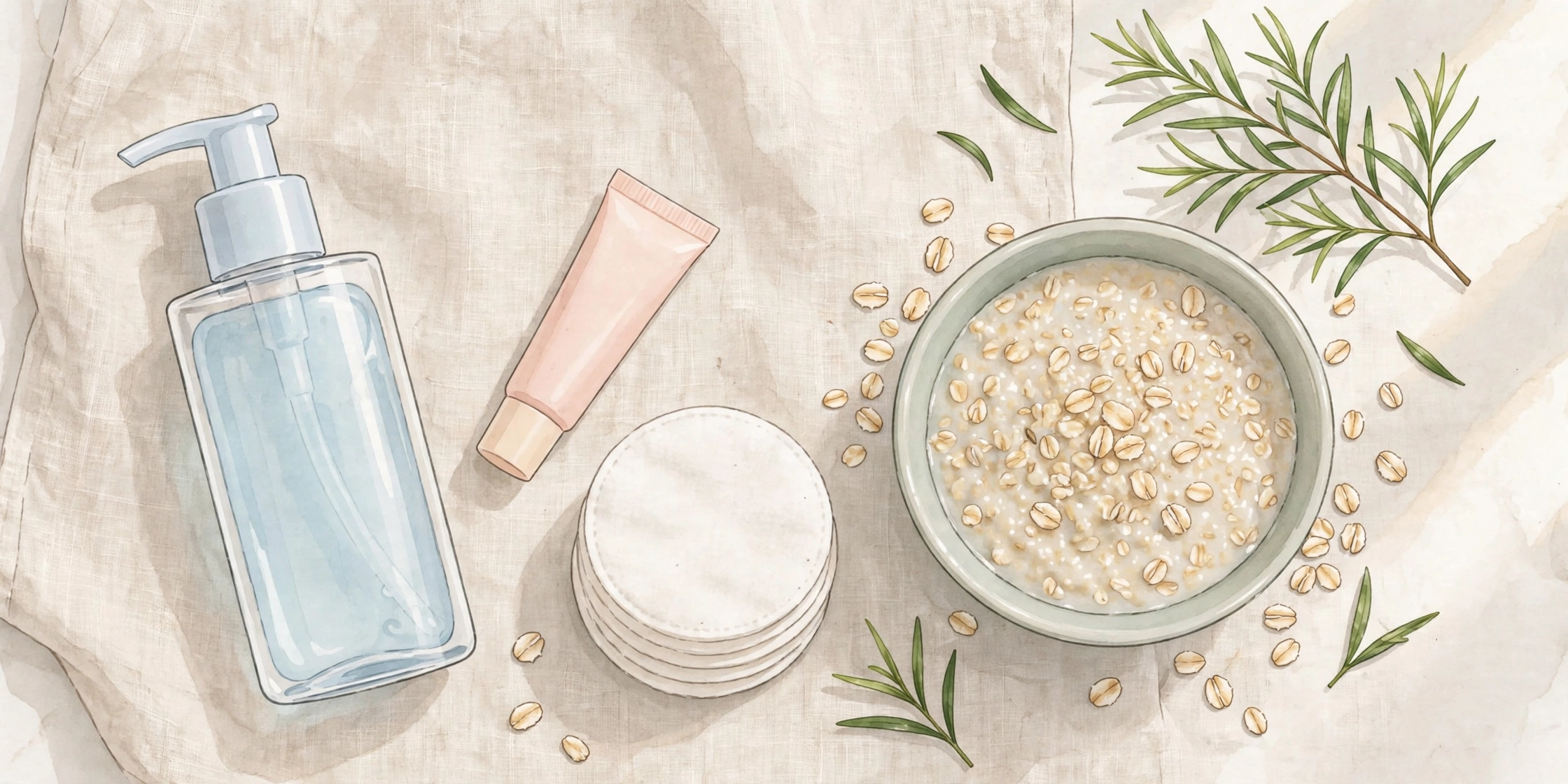
Tea tree oil has antioxidant, anti-inflammatory, and antimicrobial properties, and a 2019 review found it effective for mild to moderate acne. It must be diluted — around 1% concentration — before applying to skin, or mixed into a product that already contains it. Used correctly, it can calm existing whiteheads and help prevent new ones.
7. Try Witch Hazel or Aloe Vera
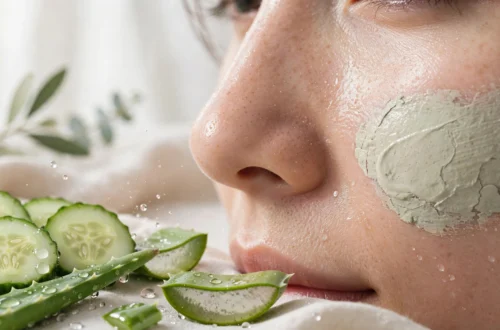
Witch hazel is a natural astringent that helps dry out extra oil and tighten pores, though it can be too drying for daily use on some skin types. Aloe vera gel soothes acne-prone skin and may help prevent scarring. Both are good gentle additions to a routine, not replacements for active treatments like retinoids.
8. Use a Warm Compress Before Spot Treatments
Applying a warm compress or steaming the area for a few minutes softens the hardened sebum inside closed pores, making spot treatments and exfoliants more effective. It can also bring stubborn whiteheads closer to the surface naturally. Avoid excessive heat, which can irritate and inflame the skin.
9. See a Professional for Stubborn Whiteheads
If whiteheads persist despite a solid home routine, a dermatologist can help. Options include professional extraction, prescription-strength retinoids, and in-office procedures. Medical News Today explains what research says about whitehead treatments and stresses that improper self-removal causes more harm than good — professional care is the safest path for stubborn or recurring cases.
What Not to Do
- Do not pop or pick whiteheads. Using fingers transfers dirt and oil, breaks the skin, invites infection, and risks scarring. Pressing can also push the contents deeper.
- Do not use harsh scrubs or rubbing. Aggressive physical exfoliation irritates acne-prone skin and can trigger more breakouts.
- Do not over-dry the skin. Stripping the skin signals oil glands to produce more sebum, which worsens whiteheads.
- Do not apply undiluted essential oils. Tea tree oil and similar actives must be diluted or they will burn and irritate the skin.
How to Prevent Whiteheads From Coming Back
Prevention is a daily habit. Use oil-free, non-comedogenic skincare and makeup, remove makeup before bed, and wash pillowcases twice a week. Shampoo oily hair regularly and keep hair products away from the face. Avoid touching your face, manage stress (stress hormones can flare breakouts), and stick with your retinoid or salicylic acid routine even when your skin looks clear — pores reclog quickly once treatment stops.
Whiteheads often appear alongside their open-pore cousins, so you may also want to read our guide on how to get rid of blackheads on nose for tips on clearing the T-zone completely.
FAQs
How long does it take to get rid of whiteheads?
With consistent use of salicylic acid or a retinoid, most people see improvement within two to four weeks. Stubborn whiteheads may take six to eight weeks to fully resolve. Patience and consistency matter more than any single product.
Is it okay to pop a whitehead?
It is best to avoid it. Popping whiteheads can spread bacteria, cause inflammation and scarring, and push debris deeper into the skin. If a whitehead absolutely must be removed, it should be done by a professional with proper tools and hygiene.
What is the difference between whiteheads and pimples?
Whiteheads are non-inflammatory closed comedones — small bumps without redness or pus. Pimples (pustules) are inflamed, with redness and sometimes pus, and the pore wall has started to break down. They are treated similarly, but inflamed pimples may need additional care.
Can diet cause whiteheads?
Diet can aggravate acne in some people — high-glycemic foods and dairy are the most commonly cited triggers. The evidence is not conclusive, but eating a balanced diet with less sugary food and drink is good advice for overall skin health.
Are whiteheads the same as milia?
No. Whiteheads are clogged pores that respond to exfoliants and retinoids. Milia are tiny, hard keratin cysts trapped under the skin (often around the eyes) that do not respond to standard acne treatments and usually require professional extraction.
Whiteheads are frustrating, but they respond well to the right approach. Build a simple routine around gentle cleansing, salicylic acid or a retinoid, and non-comedogenic products — then give it time. Resist the urge to pick, stay consistent, and see a dermatologist if home care is not enough. Clear, smooth skin is a routine away.