Finding the best moisturizer for oily skin can feel like a contradiction. If your skin already produces plenty of oil, why add more moisture? Because here’s what dermatologists keep saying: oily skin can still be dehydrated, and skipping moisturizer often makes oiliness worse. Your skin overcompensates for the missing hydration by producing even more sebum.
The trick is choosing the right formula. This guide explains what ingredients to look for (and which to avoid), rounds up dermatologist-approved types of moisturizers for oily skin, and busts the myths that keep people stuck in a cycle of grease and breakouts.
Why Oily Skin Still Needs Moisturizer
Oil and water are different things. Sebum is oil; hydration is water content in the skin. You can have an oily surface and dehydrated skin underneath — a common combination that causes tightness, flakiness around the nose, and paradoxically more shine as your skin pumps out oil to compensate.
A good moisturizer for oily skin:
- Restores water content without adding heavy oils
- Strengthens the skin barrier so it stops overproducing sebum
- Keeps skin balanced through the day, reducing midday shine
- Helps other products (sunscreen, makeup) apply more evenly
What to Look for in a Moisturizer for Oily Skin
Key Ingredients That Work
Hyaluronic acid. A humectant that draws water into the skin without any greasiness. Ideal for oily skin because it hydrates without adding oil.
Niacinamide (vitamin B3). Helps regulate sebum production, minimizes the look of pores, and strengthens the barrier. A true multitasker for oily complexions.
Glycerin. Another lightweight humectant that keeps skin hydrated without heaviness.
Green tea extract. Provides antioxidant protection and has mild sebum-regulating properties.
Salicylic acid (in low concentrations). Some moisturizers include gentle exfoliating acids to keep pores clear — great for acne-prone oily skin.
What to Avoid
- Heavy occlusives like mineral oil, petrolatum, and cocoa butter — they trap heat and oil, leading to breakouts.
- High concentrations of coconut oil — it’s comedogenic (pore-clogging) for many people.
- Added fragrances — a common irritant that can trigger sensitivity and excess oil production.
- Alcohol denat. high on the ingredient list — strips the skin, causing rebound oiliness.
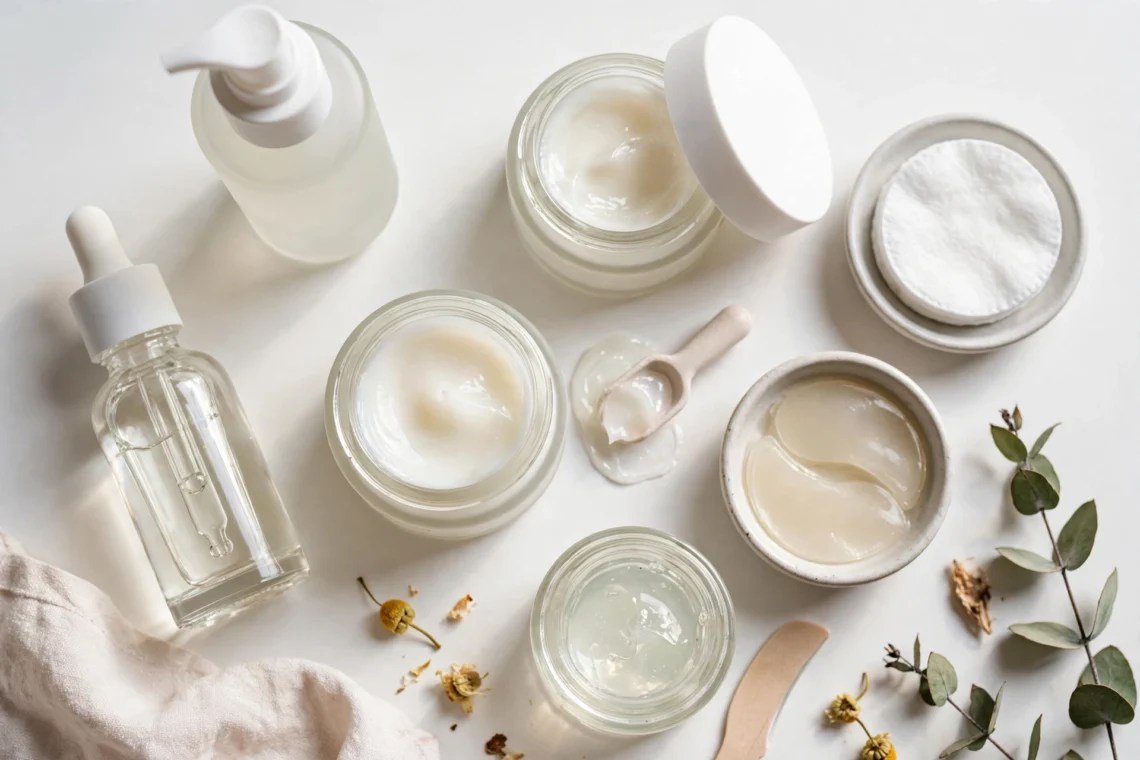
Texture Guide: Gel vs. Lotion vs. Cream
For oily skin, texture is everything:
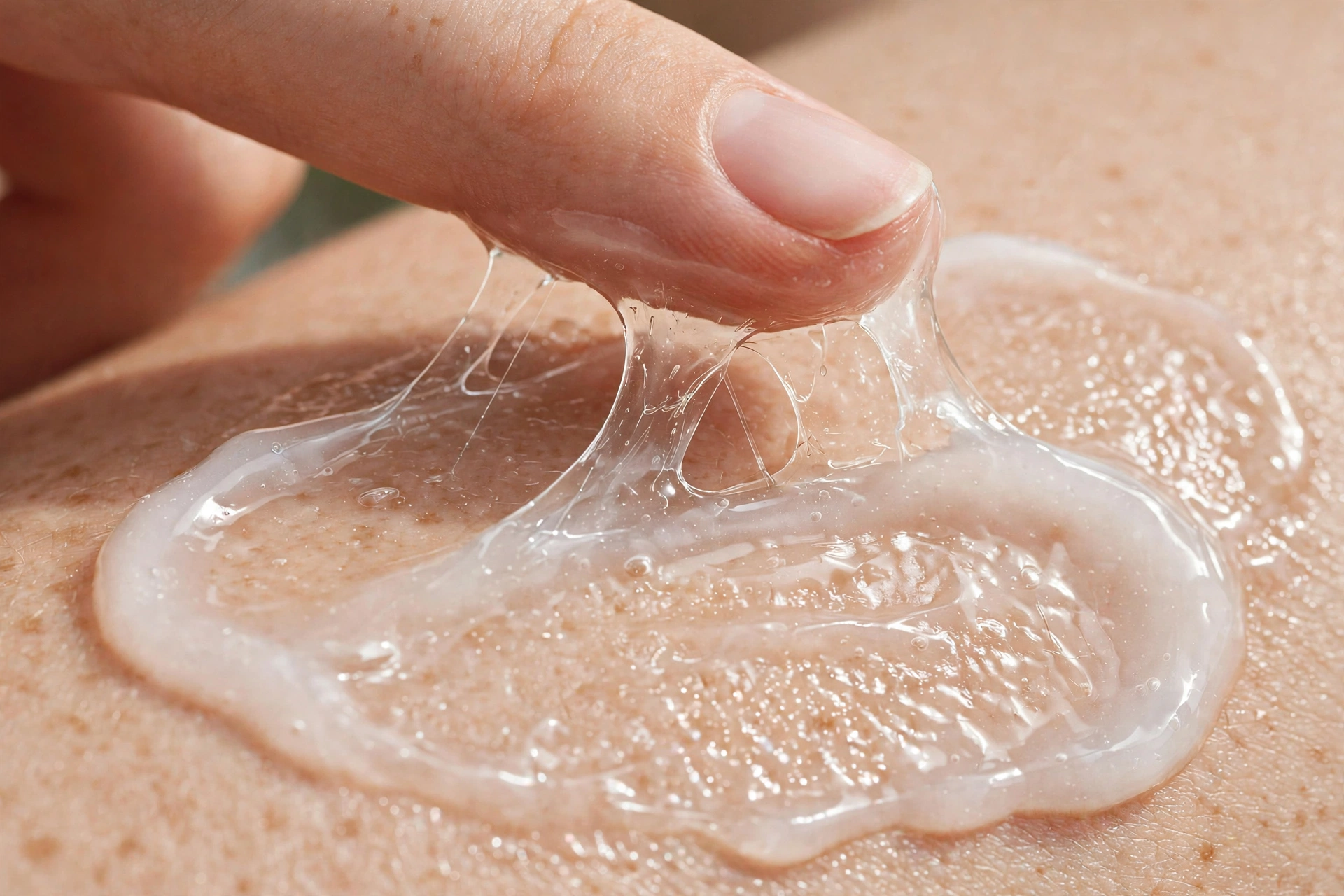
- Gel moisturizers — the best choice for very oily skin. Water-based, weightless, absorb in seconds.
- Gel-cream hybrids — slightly more nourishing than pure gels, great for combination skin.
- Lightweight lotions — work well for moderately oily skin, especially in dry climates.
- Rich creams — generally too heavy; reserve for nighttime spot treatment on dry patches only.
Look for the words “oil-free” and “non-comedogenic” on the label — these aren’t marketing fluff; they’re meaningful filters.
7 Types of Moisturizers Dermatologists Recommend for Oily Skin
1. The Classic Gel Moisturizer
The workhorse of oily-skin routines. Gel formulas with hyaluronic acid deliver hydration that sinks in immediately with zero residue. Look for established drugstore gel moisturizers with simple ingredient lists — they’ve been dermatologist staples for years because they work.
2. The Niacinamide Powerhouse
Moisturizers built around 4–5% niacinamide actively help regulate oil production over time while hydrating. These are ideal if enlarged pores and midday shine are your main concerns.
3. The Lightweight Gel-Cream
A step up in nourishment from pure gels without crossing into heavy territory. Gel-creams suit combination skin — oily in the T-zone, normal elsewhere — and layer beautifully under sunscreen.
4. The Mattifying Moisturizer
Some formulas include oil-absorbing ingredients like silica or starches that keep shine at bay for hours. These double as excellent makeup primers. Check the American Academy of Dermatology’s guide to moisturizing oily skin for expert-backed tips on choosing formulas that won’t clog pores.
5. The Exfoliating Moisturizer
Formulas with low-dose salicylic acid or PHA gently keep pores clear while hydrating — a two-in-one for acne-prone oily skin. Start with every-other-day use to check tolerance.
6. The Barrier-Repair Lightweight
If your oily skin is also sensitive or you’ve damaged your barrier with harsh actives, look for lightweight formulas with ceramides and centella. They calm irritation without greasiness.
7. The Sunscreen-Moisturizer Hybrid
For daytime minimalists, an oil-free moisturizer with SPF 30+ covers two steps at once. Just make sure you apply enough — most people under-apply SPF products, so consider layering a dedicated sunscreen for long sun exposure.
How to Build an Oily-Skin Routine Around Your Moisturizer
Moisturizer works best as part of a simple routine:
- Gentle cleanser. A foaming or gel cleanser, morning and night. Avoid harsh scrubs and “squeaky clean” formulas that strip the skin.
- Treatment (optional). A niacinamide or salicylic acid serum if you have specific concerns.
- Moisturizer. A pea-sized amount of gel or gel-cream, pressed into damp skin.
- Sunscreen (morning). Non-negotiable. Oil-free gel sunscreens layer well over lightweight moisturizers.
Keep it simple. Oily skin often does better with fewer products, not more — overloading actives is a fast track to irritation and rebound oiliness.
Common Myths About Oily Skin and Moisturizer
Myth 1: “Oily skin doesn’t need moisturizer”
False — and believing it is the most common cause of worsening oiliness. Dehydrated oily skin produces more sebum, not less.
Myth 2: “Moisturizer causes acne”
Only the wrong moisturizer does. Non-comedogenic, oil-free formulas don’t cause breakouts; heavy, pore-clogging ones can.
Myth 3: “You should dry out oily skin”
Stripping the skin with harsh toners and alcohol-based products damages the barrier and triggers more oil production. Gentle and consistent beats aggressive every time.
Myth 4: “Natural oils are better than moisturizer”
Some facial oils (like squalane) are fine for oily skin, but many popular natural oils — coconut, wheat germ — are highly comedogenic. “Natural” doesn’t mean non-clogging.
When to See a Dermatologist
If your oiliness comes with persistent, painful breakouts, sudden changes in skin texture, or over-the-counter products aren’t helping after 8–12 weeks, it’s time for professional help. A dermatologist can prescribe retinoids, hormonal treatments, or in-office procedures that address oil production at the source.
The Bottom Line
The best moisturizer for oily skin is a lightweight, oil-free, non-comedogenic formula with hydrating ingredients like hyaluronic acid and niacinamide. Gel and gel-cream textures are your friends; heavy creams and pore-clogging oils are not. Keep your routine simple, never skip sunscreen, and give any new moisturizer at least a month to show results.
Pair your routine with targeted treatments — our guide to vitamin C serum benefits explains how to add brightness without adding grease.
Frequently Asked Questions
Should I moisturize oily skin in the morning and night?
Yes — twice daily is the standard recommendation. Use a lighter layer in the morning (under sunscreen) and your regular amount at night.
Can moisturizer make my face look less oily during the day?
Counterintuitively, yes. Well-hydrated skin produces less excess sebum. Many people notice reduced midday shine within 2–3 weeks of consistent moisturizing.
What’s the difference between hydrating and moisturizing?
Hydration adds water to the skin (humectants like hyaluronic acid); moisturizing seals it in (emollients and occlusives). Oily skin needs plenty of hydration but only light moisturizing — which is exactly what gel formulas deliver.
Is gel or cream better for oily skin?
Gel, in almost every case. Gels are water-based and weightless, while creams contain more oils and occlusives that can feel heavy and clog pores on oily skin.
How long does it take to see results from a new moisturizer?
Immediate comfort (less tightness) within days; visible improvement in oil balance typically takes 3–4 weeks of consistent use as your skin barrier normalizes.