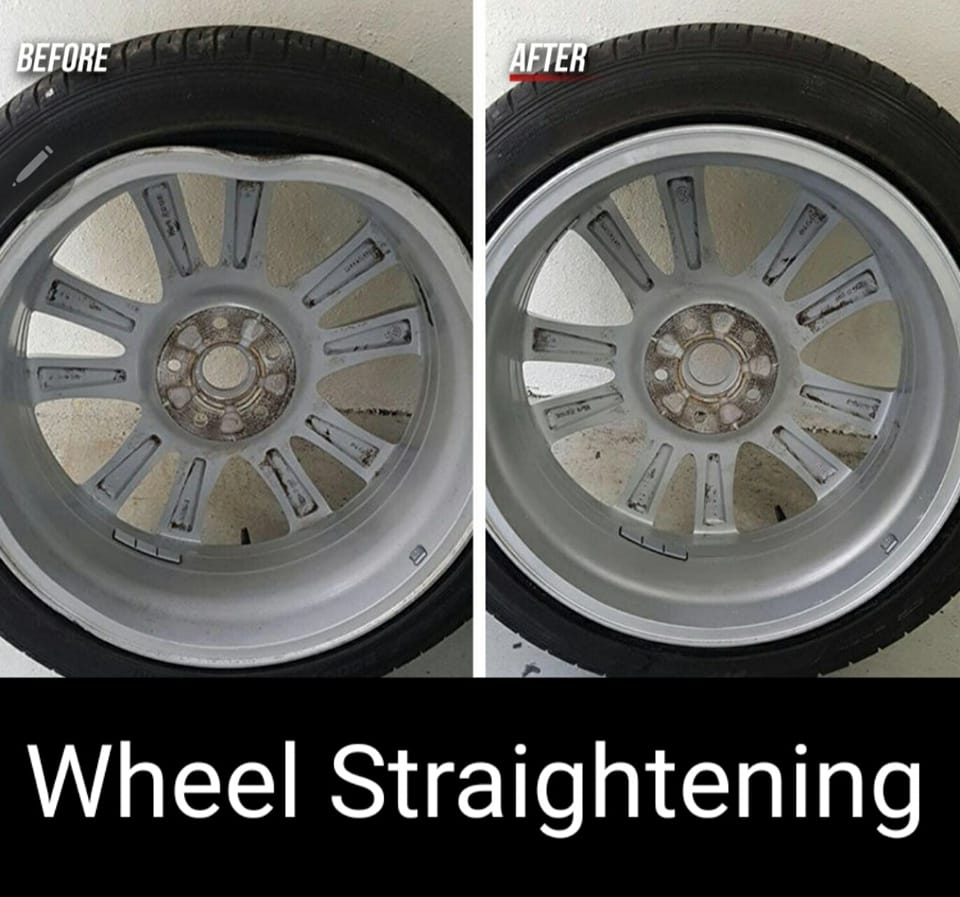
Hitting a pothole, striking a curb, or driving over road debris can leave your vehicle with a bent rim. While some drivers immediately assume they need a brand-new wheel, that isn’t always the case. Depending on the extent of the damage, a professional Rim Repair NYC service may be able to restore the rim and help you avoid the cost of replacement.
New York City roads are known for potholes, uneven pavement, and construction zones that can take a toll on wheels. That’s why bent rims are one of the most common wheel problems drivers experience. Before deciding whether to repair or replace a damaged rim, it’s important to understand how the damage occurred, what warning signs to watch for, and how professionals evaluate wheel safety.
What Causes a Bent Rim?
A rim is designed to support the tire and maintain proper contact with the road. However, strong impacts can bend the metal, affecting the wheel’s shape and performance.
Some of the most common causes include:
- Driving through potholes
- Hitting curbs while parking
- Road debris
- Railroad crossings
- Speed bumps taken too quickly
- Accidents or collisions
Even a single hard impact can damage a wheel, especially if the tire pressure is low or the impact occurs at higher speeds.
How Can You Tell if a Rim Is Bent?
Not every bent rim is obvious at first glance. Some bends are minor and can only be identified during a professional inspection.
Common signs include:
- Steering wheel vibration
- Vehicle pulling to one side
- Uneven tire wear
- Air leaking from the tire
- Poor handling
- Shaking at highway speeds
- Tire losing pressure repeatedly
If you notice one or more of these symptoms after hitting a pothole or curb, it’s a good idea to have your wheel inspected as soon as possible.
Can a Bent Rim Be Repaired?
In many situations, yes.
Professional technicians can often repair rims that have minor to moderate bends without compromising the wheel’s structural integrity. Using specialized equipment, they carefully reshape the wheel to restore its original form and ensure it spins correctly.
A professional Rim Repair NYC service will inspect the wheel before recommending repairs. The goal is to determine whether the rim can safely be restored or whether replacement is the better option.
However, not every rim can or should be repaired.
When Does a Rim Need Replacement?
There are situations where replacing the wheel is the safest solution.
Replacement may be recommended if the rim has:
- Large cracks
- Multiple structural fractures
- Severe bends
- Missing metal
- Extensive corrosion
- Damage affecting structural strength
- Previous unsuccessful repairs
A severely damaged wheel may no longer provide the strength needed for safe driving. In these cases, replacement is often the most reliable choice.
Why Professional Inspection Matters
It’s difficult to judge wheel damage based only on appearance.
A rim may look slightly bent but have hidden structural damage. On the other hand, what appears to be significant cosmetic damage may actually be repairable.
Professional technicians use specialized measuring equipment to inspect:
- Wheel runout
- Structural condition
- Air leaks
- Mounting surfaces
- Bead seating areas
- Overall wheel integrity
This evaluation helps determine the safest recommendation.
What Happens During Rim Repair?
Although repair methods vary depending on the wheel and the damage, the process typically includes:
Inspection
The wheel is carefully examined for bends, cracks, corrosion, and structural concerns.
Tire Removal
The tire is removed to allow a full inspection of the rim.
Straightening
Specialized hydraulic equipment is used to carefully reshape the damaged area.
Balancing
After repairs, the wheel is checked and balanced to help ensure smooth performance.
Final Inspection
The repaired wheel is inspected again before being reinstalled on the vehicle.
Professional equipment helps technicians restore the wheel while maintaining proper dimensions.
Is It Safe to Drive With a Bent Rim?
Driving with a bent rim is generally not recommended.
A damaged wheel can affect:
- Steering
- Tire wear
- Vehicle handling
- Ride comfort
- Tire sealing
- Suspension performance
In some cases, continued driving may make the damage worse or contribute to additional repairs.
If you suspect a bent rim, schedule an inspection as soon as possible rather than continuing to drive with the damage.
Can a Bent Rim Cause Tire Problems?
Yes.
Because the rim supports the tire, damage can interfere with the tire’s ability to seal properly.
Possible tire-related problems include:
- Slow air leaks
- Uneven wear
- Vibration
- Reduced traction
- Poor alignment characteristics
Repairing the rim promptly may help prevent unnecessary tire replacement.
Why Rim Damage Is Common in NYC
New York City drivers regularly encounter road conditions that increase the risk of bent rims.
These include:
- Deep potholes
- Rough pavement
- Construction zones
- Metal road plates
- Tight parking spaces
- Curbs
- Heavy traffic
Low-profile tires, which are popular on many modern vehicles, provide less cushioning against impacts, making rims even more vulnerable.
Routine inspections can help identify damage before it affects vehicle performance.
Repair vs. Replacement: Which Is More Cost-Effective?
When the wheel is structurally sound, repairing it is often more economical than replacing it.
Repair may also:
- Restore wheel performance
- Extend wheel life
- Reduce unnecessary replacement costs
- Preserve matching factory wheels
- Minimize downtime
However, if structural damage is extensive, replacement remains the safest long-term solution.
A professional inspection helps determine the most practical option.
How to Prevent Bent Rims
While some road hazards can’t be avoided, drivers can reduce the risk of wheel damage by following a few simple practices.
Avoid Potholes Whenever Possible
Scan the road ahead and safely avoid deep potholes when traffic conditions permit.
Maintain Proper Tire Pressure
Correct tire pressure helps absorb road impacts more effectively.
Slow Down on Rough Roads
Reducing speed can lessen the force of impacts.
Be Careful Around Curbs
Take extra care while parallel parking to avoid striking the wheel against the curb.
Inspect Wheels After Major Impacts
If you hit a pothole or curb hard, have the wheel checked even if no immediate symptoms appear.
When Should You Schedule Professional Rim Repair?
You should consider professional service if you notice:
- Steering vibration
- Tire pressure loss
- Uneven tire wear
- Visible wheel damage
- Vehicle pulling to one side
- Shaking after hitting a pothole
- Difficulty maintaining wheel balance
If you are searching for reliable Rim Repair NYC, choosing an experienced repair specialist can help determine whether your damaged rim can be safely restored or whether replacement is necessary.
Frequently Asked Questions
Can every bent rim be repaired?
No. Minor and moderate bends are often repairable, but severely cracked or structurally damaged rims may require replacement.
How do I know if my rim is bent?
Common signs include steering vibration, uneven tire wear, air loss, poor handling, and visible wheel damage.
Is rim repair cheaper than replacement?
In many cases, yes. Repair is often more affordable when the wheel is structurally sound.
Can a bent rim damage my tire?
Yes. A bent rim may cause air leaks, uneven tire wear, and improper tire seating.
Should I keep driving with a bent rim?
It’s best to have the wheel inspected promptly. Continued driving may worsen the damage or affect vehicle handling.
Final Thoughts
A bent rim doesn’t always mean you need to purchase a new wheel. Many rims with minor or moderate damage can be professionally restored using specialized equipment. However, cracks, severe bends, and structural damage may make replacement the safer choice.
If you’ve recently hit a pothole or curb and your vehicle is vibrating, losing tire pressure, or handling differently, don’t ignore the warning signs. A professional Rim Repair NYC inspection can determine whether your wheel can be safely repaired or if replacement is the best solution for maintaining your vehicle’s safety and performance.