Some skincare ingredients earn their fame through clever marketing; snail mucin earned it through results. This K-beauty staple — the filtered secretion snails naturally produce — went from niche Korean skincare curiosity to a global bestseller because people kept seeing the same thing in the mirror: bouncier, dewier, calmer-looking skin.
The idea can sound strange at first, but the science is straightforward. Snail mucin is a cocktail of proven hydrators and skin-friendly compounds: hyaluronic acid, glycolic acid, glycoproteins, allantoin, peptides, and antioxidants. This guide breaks down the real snail mucin benefits for skin, how to add it to your routine, and who gets the most out of it.
What Is Snail Mucin?
Snail mucin — listed on ingredient labels as snail secretion filtrate — is the mucus snails produce to protect their soft bodies as they glide over rough surfaces. In skincare, reputable brands collect it without harming the animals: snails are placed in calm environments and glide over special surfaces, and the secretion they leave behind is filtered and purified for cosmetic use.
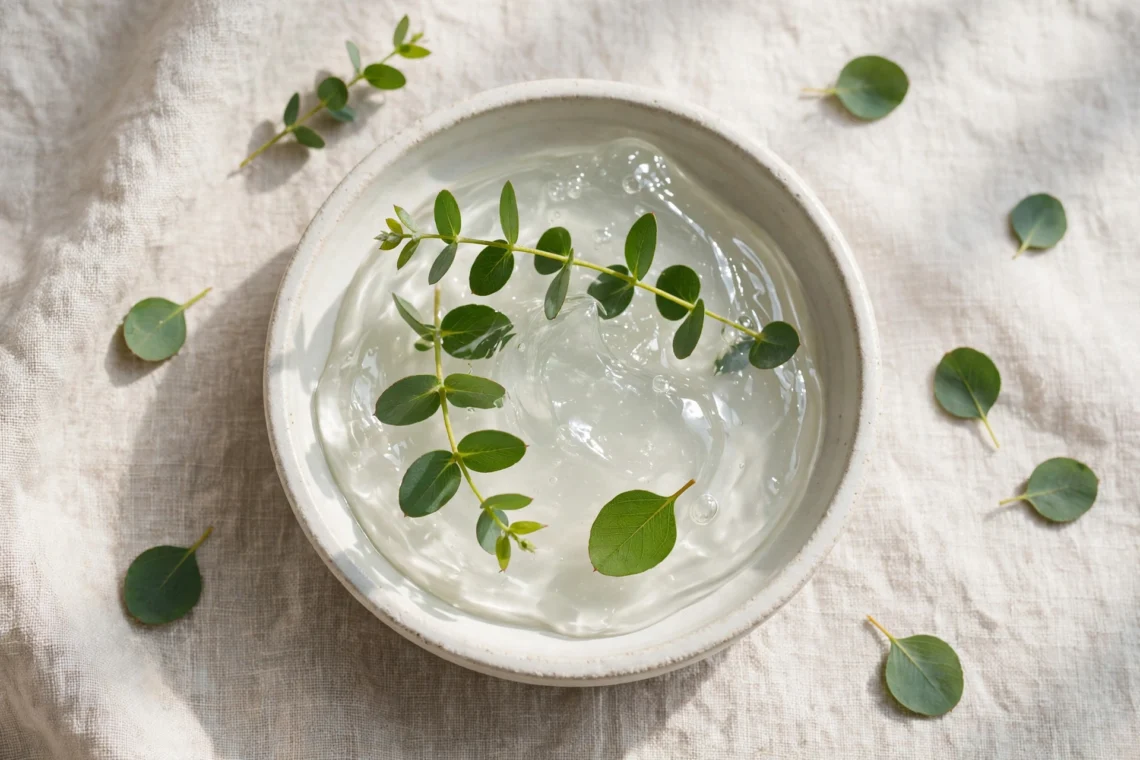
It became a phenomenon in Korean skincare first, then spread worldwide as essences and serums built around it started topping bestseller lists. The texture is famously a little slimy and stretchy, but it sinks in fast and layers beautifully under moisturizer. Healthline notes that consistent daily use over several weeks is usually needed before the major benefits show up source.
Key Snail Mucin Benefits for Skin
1. Deep, Lasting Hydration
Hydration is snail mucin’s headline act. Its hyaluronic acid content draws water into the skin, while the mucin glycoproteins form a light film that slows moisture loss from the surface. The result is plump, dewy skin that stays comfortable for hours — the reason so many people describe their post-mucin glow as “glass skin”. If your skin feels tight or looks dull no matter how much moisturizer you use, a hydrating mucin layer underneath can make the difference. For more on building that lit-from-within look, see our guide on how to get glass skin.
2. Supports Skin Repair and Healing
One of snail mucin’s most interesting properties is its role in repair. Research published in Nature Communications found that snail mucus acts as a natural biological adhesive that promotes wound repair — it encourages immune cells to shift toward an anti-inflammatory state and supports the regeneration of new skin cells and blood vessels. In everyday skincare terms, that translates to faster recovery from minor irritation, post-acne marks, and barrier damage. Allantoin, another key compound in the filtrate, is a recognized skin soother that supports this calming effect.
3. Softens the Look of Fine Lines
Snail mucin will not erase deep wrinkles, but it can make fine lines look softer. Part of the effect is simple plumping: well-hydrated skin reflects light more evenly, so fine dryness lines become less visible. The glycoproteins and peptides in the filtrate are also thought to support the skin’s own collagen-building activity over time. Clinical testing of snail-based products has shown measurable improvements in skin roughness and brightness after about 8 to 12 weeks of regular use — so this is a patience ingredient, not an overnight fix.
4. Calms Redness and Irritation
A 2021 study found that snail mucin has anti-inflammatory properties, and the same research noted antimicrobial activity that may help protect compromised skin. That combination makes it a comforting choice for reactive, easily flushed skin — especially for people using strong actives like retinoids or exfoliating acids who want a cushioning, non-irritating hydrator in the same routine.
5. Improves Texture Over Time
The small amount of glycolic acid naturally present in the filtrate gives snail mucin a very gentle smoothing action. It is far too mild to work like a dedicated exfoliating product, but with daily use it can help skin feel softer and look more even. Combined with the hydration effect, this gradual refinement is why long-term users often report that their skin simply looks healthier and more polished.
6. Lightweight Enough for Most Skin Types
Despite its rich nutrient profile, snail mucin has a surprisingly lightweight, watery-gel texture. It hydrates without the heaviness of a cream, which is why even combination and oily skin types often enjoy it. People with very oily skin sometimes prefer using it only at night or in drier months, while dry and dehydrated skin types tend to love it year-round.
How to Use Snail Mucin in Your Routine
- Apply it after toner, before moisturizer. The classic placement is as an essence or serum step: cleanser, toner, snail mucin, then moisturizer to seal everything in.
- Use it on slightly damp skin. Humectants like hyaluronic acid pull in more moisture when the skin is damp, so apply within a minute of toning.
- Start once a day. Most people tolerate snail mucin very well, but begin with one daily application and move to twice daily if your skin loves it.
- Patch test first. Anyone with a known allergy to snails or mollusks should skip it entirely. Even without allergies, a patch test behind the ear for a day or two is smart.
- Layer it with your actives. Snail mucin plays well with vitamin C, niacinamide, retinoids, and exfoliating acids — it makes a great buffer that keeps stronger actives comfortable.
- Give it time. Hydration shows up within days, but the texture and firmness benefits build over weeks. Stick with it for at least a month before judging.
- Seal it in dry climates. In very dry air, always follow with a moisturizer or a few drops of facial oil so the hydration does not evaporate.
Snail Mucin vs. Hyaluronic Acid: Which Do You Need?
This is a common question, and the answer is that they do different jobs. Hyaluronic acid is a single-purpose hydration powerhouse — it holds water in the skin and little else. Snail mucin contains hyaluronic acid plus glycoproteins, allantoin, peptides, and antioxidants, so you get hydration plus soothing, repair support, and gentle smoothing in one step.
If your only concern is dryness, a hyaluronic acid serum is enough. If you also want help with dullness, rough texture, post-blemish marks, or barrier recovery, snail mucin covers more ground. Many people use both: a hyaluronic acid serum for pure hydration and snail mucin for everything else it brings to the table.
Who Should Try Snail Mucin?
Snail mucin suits most skin types, but a few groups benefit the most. Dry and dehydrated skin types get the deep, lasting hydration they are missing. People recovering from over-exfoliation or barrier damage get a gentle repair ally. Retinoid and acid users get a cushioning layer that keeps strong actives comfortable. And anyone chasing that plump, glass-like glow gets one of the most reliable routes to it.
Who should think twice? Anyone allergic to snails or mollusks must avoid it. People with very oily, congestion-prone skin should introduce it slowly and watch for clogged pores — most tolerate it fine, but the occlusive film is not for everyone. And if the texture genuinely bothers you, no ingredient is worth forcing; plenty of other hydrators exist.
Frequently Asked Questions
Is snail mucin cruelty-free?
Reputable brands collect mucin without harming the snails — the animals glide over special surfaces in calm environments and are returned unharmed afterward. If this matters to you, look for brands that state their cruelty-free collection process explicitly, since practices can vary.
How long does snail mucin take to work?
Hydration and that dewy look often appear within the first week. Texture, brightness, and firmness improvements typically need 8 to 12 weeks of consistent daily use, based on clinical testing of snail-based products.
Can snail mucin clog pores?
It is generally considered non-comedogenic and most skin types tolerate it well. However, very oily or congestion-prone skin can occasionally react to the film-forming texture. Start slowly, use a thin layer, and discontinue if you notice new breakouts.
Can I use snail mucin with retinol or vitamin C?
Yes — it layers well with both. Many people apply snail mucin first as a hydrating buffer, then follow with their retinol or vitamin C product. It can make strong actives feel noticeably gentler.
Does snail mucin help with acne scars?
It can help with the marks and uneven texture that breakouts leave behind, thanks to its repair-supporting and gently smoothing properties. It will not treat active acne or remodel deep, pitted scars — those need targeted treatments.
The Bottom Line
Snail mucin earned its cult status the honest way: it hydrates deeply, calms irritation, supports repair, and gradually refines texture — all in a lightweight layer most skin types tolerate well. It is not a miracle, and it will not replace targeted treatments for acne, deep wrinkles, or pigmentation. But as a daily hydrating step that does far more than just moisturize, it is one of the most reliable multitaskers in modern skincare.