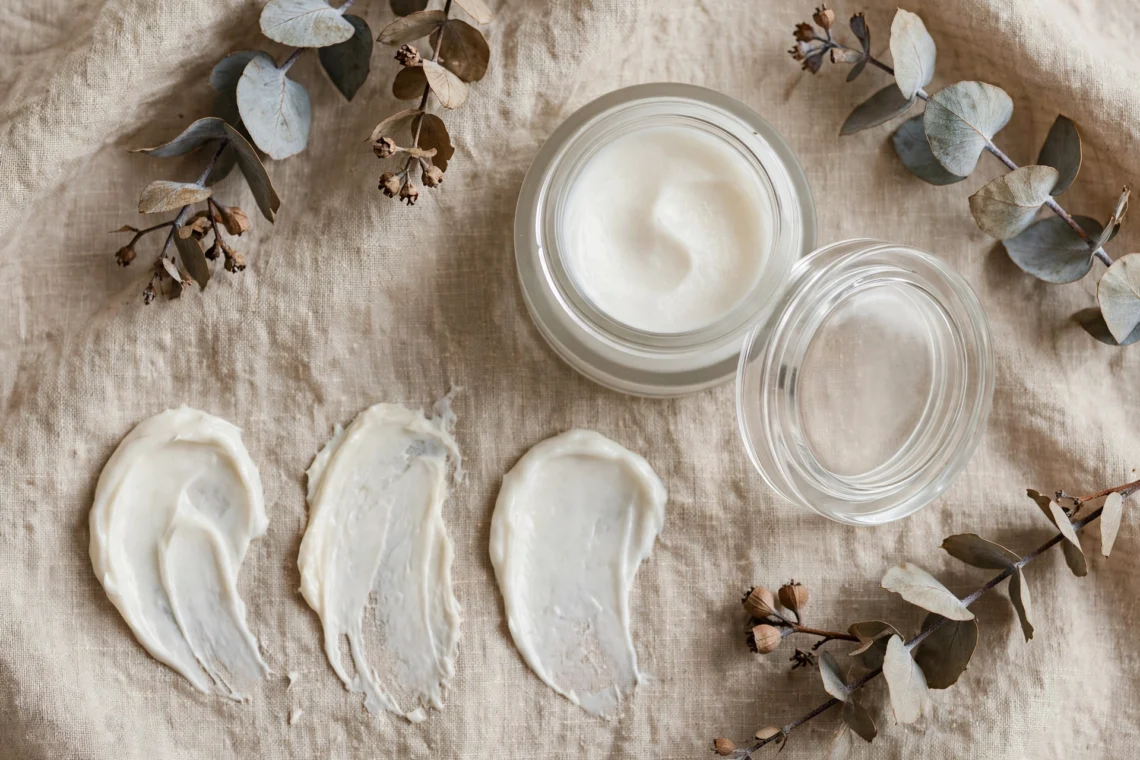
If your skin feels tight, rough, or flaky a few hours after washing, you probably have dry skin — and the right moisturizer can make a genuine difference. Finding the best moisturizer for dry skin is not about grabbing the most expensive jar on the shelf. It is about understanding what dry skin needs, which ingredients actually help, and how to use the product correctly. In this guide, we break all of that down in plain language so you can build a moisturizing routine that keeps your skin comfortable all day.
What Dry Skin Really Needs
Dry skin lacks sufficient oil, water, or both. The skin’s outer layer, the barrier, works like a wall of bricks and mortar: the skin cells are the bricks, and natural fats called lipids are the mortar that holds them together. When that barrier is weakened — by harsh cleansers, hot water, cold weather, or simply aging — moisture escapes, and irritants get in. That is why dry skin feels tight, looks dull, and can develop fine flakes, roughness, or itching.
A good moisturizer for dry skin does three jobs at once. First, it draws water into the skin. Second, it softens and smooths the surface. Third, it seals everything in so moisture cannot escape. Products that handle all three of these tasks are the ones worth spending your money on. Keep in mind that a cleanser matters too — using something too harsh can undo all the good work your moisturizer does. If you also struggle with shine and breakouts, read our guide on the best cleanser for oily skin to see how cleansing needs differ by skin type.
Key Ingredients to Look For
Ingredient lists can look intimidating, but a few star players do most of the heavy lifting in a dry-skin moisturizer. Learning to recognize them helps you shop with confidence, whether you are browsing a drugstore aisle or a premium counter.
Humectants: Draw Moisture In
Humectants are ingredients that attract water from the air and from deeper skin layers into the top layers of your skin. Common humectants include:
- Glycerin — one of the most well-studied humectants, gentle and effective for most skin types.
- Hyaluronic acid — holds many times its weight in water, giving skin a plumper, more hydrated feel.
- Urea — both hydrates and gently softens rough, scaly patches.
- Lactic acid — a mild alpha hydroxy acid that hydrates while very gently exfoliating.
Emollients: Soften and Smooth
Emollients fill in the tiny gaps between skin cells, making skin feel smooth and look less rough. Ingredients like squalane, shea butter, jojoba oil, and ceramides fall into this category. Ceramides deserve special attention because they are naturally found in healthy skin — products containing them help reinforce the skin barrier.
Occlusives: Seal Moisture In
Occlusives form a protective film on the skin’s surface that slows water loss. Petrolatum, dimethicone, and mineral oil are classic occlusives. Heavier creams and ointments tend to contain more of them, which is why many dermatologists recommend creams or ointments over lotions for very dry skin. A dermatologist-backed guide to face moisturizers explains that heavier, oil-based formulas generally suit dry skin best, while lighter formulas fit oilier types.
Cream vs. Lotion vs. Ointment: Which Texture Wins?
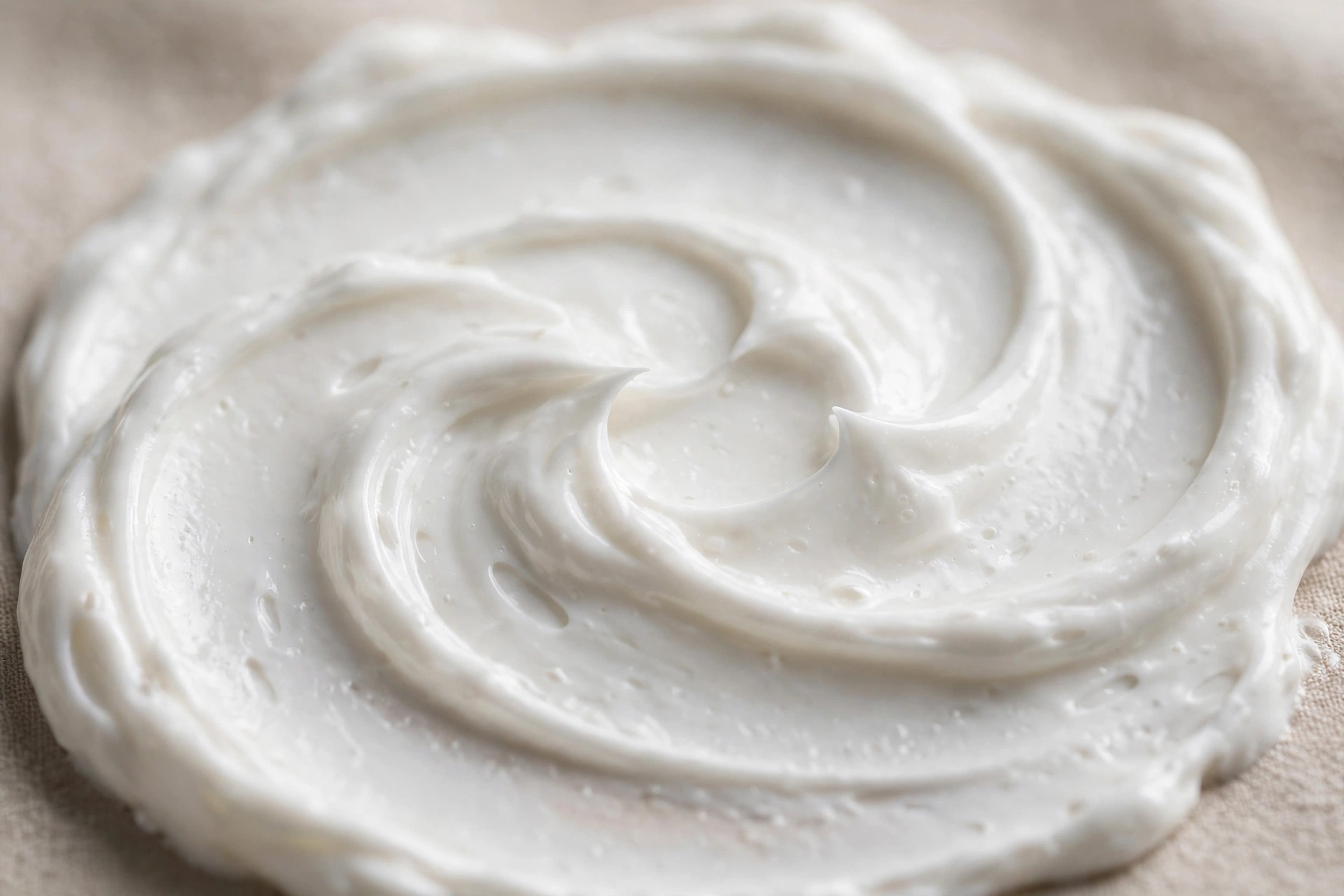
The texture of a moisturizer matters as much as its ingredients. As a general rule, the thicker the formula, the more it helps dry skin:
- Lotions — light and watery, absorb quickly, but often not rich enough for truly dry skin.
- Creams — thicker and more nourishing; a good everyday choice for dry facial skin.
- Ointments and balms — the heaviest option, excellent for very dry patches on the body, hands, and feet.
Many people do best with a combination: a cream for the face in the morning and a heavier balm on dry body areas or on the face at night during colder months. There is no single perfect texture for everyone, so consider your climate and comfort. A formula you enjoy using every day beats a richer one that sits unused because it feels greasy.
How to Apply Moisturizer for Best Results
Even the best moisturizer for dry skin will underperform if it is applied at the wrong time. Follow these steps to get the most out of your product:
- Apply to damp skin. The single most important tip is to moisturize within a few minutes of washing your face or showering, while the skin is still slightly damp. This locks in the water sitting on your skin’s surface.
- Use enough product. A thin, barely-there layer is not enough for dry skin. Use a generous amount and warm it between your hands before pressing it onto your skin.
- Apply in the right order. After cleansing and any watery serums, apply your moisturizer, then sunscreen in the morning. Thicker products always go after thinner ones.
- Reapply when needed. Cold wind, indoor heating, and frequent handwashing strip moisture fast. Reapplying during the day is perfectly fine, especially on hands and exposed areas.
- Layer in dry seasons. In winter or dry climates, consider adding a hydrating serum under your cream, or a thin layer of facial oil on top at night to seal everything in.
Ingredients and Habits to Avoid
Some common ingredients can make dryness worse. Fragrance and essential oils are frequent culprits behind irritation and tightness, especially in dry, sensitive skin — look for fragrance-free options. Alcohol-based toners and harsh, foaming cleansers with strong detergents can strip the skin’s natural oils and weaken the barrier.
Your habits matter too. Very hot, long showers feel wonderful but are brutal for dry skin — lukewarm water and shorter showers are kinder. Rubbing your face dry with a rough towel creates friction and irritation; pat gently instead. And skipping moisturizer on humid days is a mistake many people make — dry skin still needs barrier support even when the air feels moist.
Moisturizing Different Areas: Face, Body, and Hands
Different parts of your body have different needs. Facial skin is thinner and more reactive, so a dedicated face cream with barrier-supporting ingredients is ideal. Body skin can handle richer formulas, and legs, elbows, and knees often need the heaviest creams you own. Hands are washed constantly, so keep a hand cream at your sink, your desk, and in your bag — reapplying after every wash makes a noticeable difference within days.
Lips deserve mention too. They have almost no oil glands, so they dry out fast. A simple balm with occlusive ingredients, applied regularly, prevents the cracking and peeling that dry air causes.
When Dry Skin Needs More Than a Moisturizer
Most everyday dryness responds well to a consistent moisturizing routine. However, if your skin stays very dry, cracked, or itchy despite regular care, or if you notice redness, swelling, or rough patches that will not heal, it is worth seeing a dermatologist. Conditions like eczema, contact dermatitis, and psoriasis can look like ordinary dryness but need specific treatment. A dermatologist can also help you identify ingredients that might be irritating your skin through a simple patch test.
Diet and lifestyle play supporting roles as well. Drinking enough water helps overall hydration, and running a humidifier in dry indoor air — especially in the bedroom overnight — can reduce moisture loss from your skin while you sleep.
Building Your Dry Skin Routine
To pull it all together, a simple dry-skin routine looks like this: a gentle, non-stripping cleanser; an optional hydrating serum; a rich moisturizer applied to damp skin; and sunscreen every morning. At night, skip the sunscreen and let your moisturizer do its repair work — this is the time when a heavier cream or an added occlusive layer earns its place.
Consistency beats complexity. Using the right moisturizer twice a day, every day, will do more for your skin than an elaborate routine you abandon after a week. Start with the basics, give your skin a couple of weeks to respond, and adjust based on what you see.
Frequently Asked Questions
How often should I moisturize dry skin?
Twice a day — morning and night — is the standard recommendation, with reapplication as needed during the day. Apply within a few minutes of washing your face or showering while skin is still damp for the best seal.
Is a cream or a lotion better for dry skin?
Creams are generally better for dry skin than lotions because they are thicker and contain more barrier-supporting and moisture-sealing ingredients. Lotions are lighter and absorb faster, but they often do not provide enough nourishment for truly dry skin.
Can I use body moisturizer on my face?
It is better to use a product formulated for the face. Facial skin is thinner and more reactive, and body formulas can be too heavy or contain fragrance that irritates facial skin. A dedicated face cream is the safer choice.
Should I exfoliate if I have dry skin?
Gentle exfoliation once or twice a week can help remove flakes so your moisturizer absorbs better. Avoid harsh scrubs, which can irritate dry skin — mild chemical exfoliants or soft cloths are gentler options.
What should I do if my moisturizer stings?
Stinging can mean your skin barrier is damaged or the product contains an irritant such as fragrance. Switch to a simple, fragrance-free formula for a few days, and if stinging persists or you develop redness, see a dermatologist.





One comment on “Best Moisturizer for Dry Skin: How to Pick the Right One”