Dark spots have a way of lingering long after the pimple, sunburn, or irritation that caused them is gone. Whether they show up as small brown patches on the cheeks, stubborn marks along the jawline, or uneven tone across the forehead, these spots are one of the most common skincare complaints, and one of the most frustrating. Makeup can cover them, but many people would rather address the unevenness itself.
That is why serums for dark spots are among the most searched-for skincare products. Serums are lightweight, concentrated formulas designed to deliver active ingredients to the skin, and many are specifically formulated with ingredients that are often used to help improve the look of dark spots and uneven tone. But the sheer number of options, each promising brighter, more even-looking skin, makes choosing genuinely difficult.
This guide is not a ranked list of products. Instead, it explains what dark spots are, which ingredients are commonly used in serums for dark spots and why, how to read a label like someone who knows what they are looking at, and how to use a serum correctly so you actually give it a fair chance to work.
What Are Dark Spots, Exactly?
Dark spots, also called hyperpigmentation, are areas where the skin produces extra melanin, the pigment that gives skin its color. They come in several common forms. Sun spots, sometimes called age spots, develop from years of ultraviolet exposure and usually appear on the face, hands, and shoulders. Post-inflammatory hyperpigmentation follows inflammation such as acne, eczema, or a minor injury, and it is especially common in medium to deep skin tones. Melasma appears as larger, symmetrical patches, often on the cheeks and forehead, and is frequently linked to hormonal changes and sun exposure.
Understanding which type you are dealing with matters, because it influences both your expectations and your approach. Surface-level marks from a healed blemish often fade more readily with consistent care, while deeper or hormonally driven pigmentation can be more persistent and may need professional treatment. If your spots are changing in size, shape, or color, or if you are unsure what they are, have them checked by a dermatologist before treating them cosmetically.
Ingredients Commonly Used in Serums for Dark Spots
Most serums for dark spots rely on a small set of well-known ingredients. Knowing what each one is typically used for helps you compare formulas instead of comparing marketing claims.
Vitamin C
Vitamin C, often listed as ascorbic acid or a derivative such as sodium ascorbyl phosphate, is one of the most common ingredients in brightening serums. It is an antioxidant that is often used to help improve the look of uneven tone and dullness, and it pairs naturally with sunscreen in a morning routine. Vitamin C serums can be unstable and may oxidize over time, so look for opaque, airtight packaging and store the bottle away from heat and light.
Niacinamide
Niacinamide, a form of vitamin B3, appears in many formulas for uneven tone and is often used to help improve the look of dark spots and blotchiness. It is generally well tolerated, plays nicely with most other ingredients, and is commonly found at concentrations of around two to five percent in serums. Because it is gentle, it is a frequent choice for people whose skin is sensitive to stronger actives.
Alpha Arbutin
Alpha arbutin is a skincare ingredient often used in products aimed at the look of dark spots and uneven tone. It is typically included at concentrations around two percent in over-the-counter serums. Many people choose it because it tends to be gentler than some older brightening ingredients, though like any active, it should be introduced gradually.
Kojic Acid
Derived from certain fungi, kojic acid is another ingredient commonly used in formulas for the appearance of dark spots. It shows up in serums, toners, and cleansers, usually at low concentrations. It can be irritating for sensitive skin, so patch testing is wise before full-face use.
Retinoids
Retinoids, including over-the-counter retinol, are vitamin A derivatives widely used in evening routines. They are often used to help improve the look of fine lines and uneven tone by supporting surface skin renewal. They can cause dryness and sensitivity at first, so they are best introduced slowly, used at night, and always paired with diligent sun protection during the day.
How to Read a Serum Label
Before you buy, spend two minutes with the ingredient list. Here is what to check:
- Where the key ingredient sits: Ingredients are listed in descending order of concentration. If the brightening ingredient you are paying for appears near the very end, after fragrance and preservatives, there may not be much of it in the bottle.
- How many actives are combined: One or two complementary actives, such as vitamin C plus vitamin E, is a sensible formula. A serum cramming in six strong actives raises the odds of irritation without necessarily improving results.
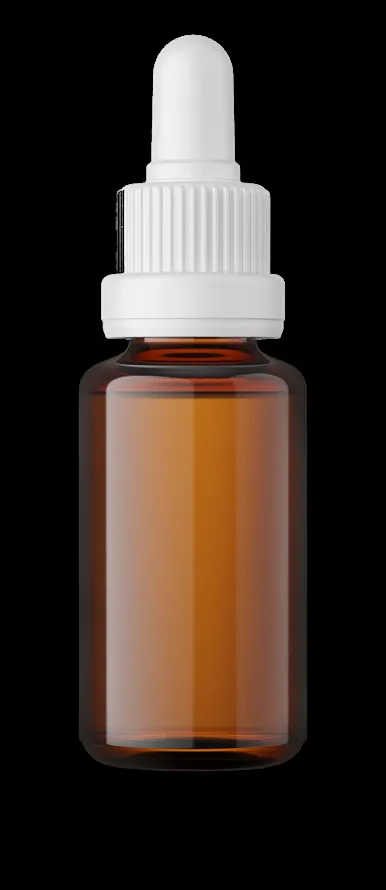
- Packaging: Light- and air-sensitive ingredients need opaque, airtight, preferably pump or dropper packaging. A clear jar is a bad home for vitamin C.
- Fragrance load: Heavy fragrance, including fragrant essential oils, adds irritation risk with no benefit for dark spots. Fragrance-free is the safer default.
- Realistic claims: Be skeptical of labels promising dramatic overnight transformations. Reputable brands describe what the formula is designed to do without guaranteeing timelines.
How to Choose the Right Serum for Your Skin
- Identify your main concern. Faint post-acne marks, widespread sun-related spots, and melasma-like patches are different problems. A gentle niacinamide or vitamin C serum suits mild unevenness, while stubborn or extensive pigmentation deserves a dermatologist’s input first.
- Factor in your skin’s sensitivity. If your skin reacts to most new products, start with gentler options like niacinamide or alpha arbutin rather than strong acids or high-strength retinoids.
- Check compatibility with your routine. If you already use an exfoliating toner or a retinoid at night, adding another strong active can overload your skin. Choose a serum that fits what you already use.
- Prefer simpler formulas at first. A serum with one clear active and a short supporting ingredient list makes it easier to tell what your skin likes and what it does not.
- Patch test, then commit. Test on a small area for several days. Once you start, use the serum consistently for at least eight to twelve weeks before judging it, since visible changes in tone are gradual.
How to Use a Serum for Dark Spots
Even the best formula underperforms if applied incorrectly. The standard routine looks like this:
- Cleanse your face and apply toner if you use one, leaving skin slightly damp.
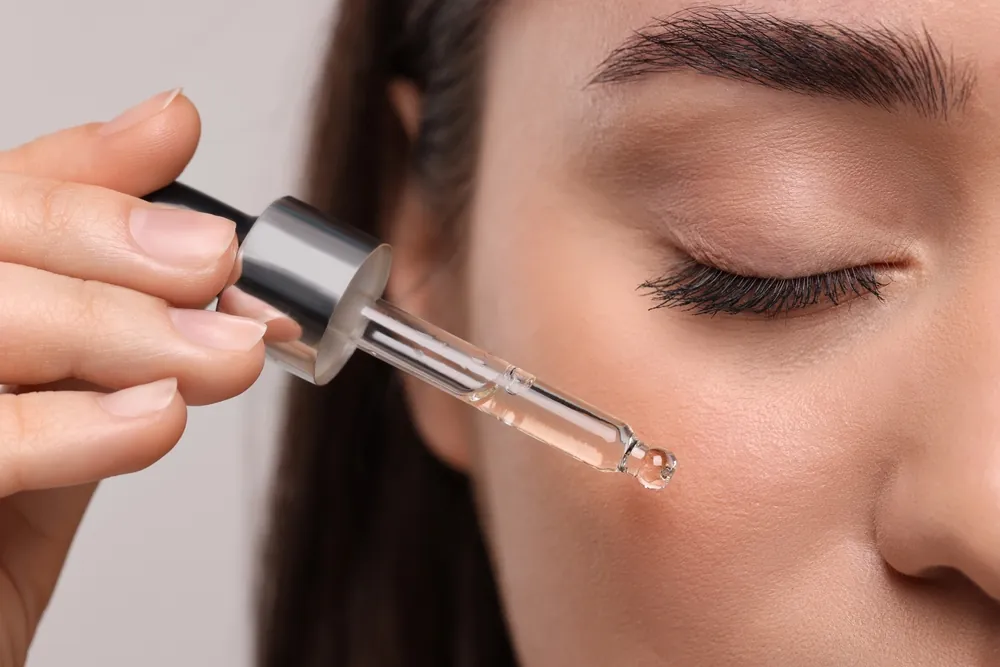
- Apply a pea-sized amount of serum to the face, or dot it directly onto areas of concern, then spread gently. More product does not mean faster results.
- Allow a minute for absorption, then follow with moisturizer to seal everything in.
- In the morning, always finish with a broad-spectrum sunscreen of SPF 30 or higher. This step is non-negotiable, as explained below.
Vitamin C serums are typically used in the morning under sunscreen, while retinoids belong in the evening routine. If you use both, keep them in separate routines rather than layering them at the same time, unless a single product is specifically formulated that way.
Sun Protection Matters Most
Here is the uncomfortable truth about dark spots: without daily sun protection, every other effort is undermined. Ultraviolet exposure stimulates melanin production, which means unprotected sun time can darken existing spots and create new ones faster than any serum can address them. A broad-spectrum sunscreen worn every day, reapplied when you are outdoors for long stretches, is the single most important product in any routine aimed at uneven tone.
This is also where professional advice earns its keep. If your pigmentation is extensive, asymmetrical, or not responding to consistent over-the-counter care after a few months, the board-certified dermatologists at the American Academy of Dermatology can be a starting point for finding qualified help. A dermatologist can confirm the type of pigmentation you have and discuss prescription-strength options or in-office treatments when appropriate.
Common Mistakes to Avoid
- Skipping sunscreen: The most common reason serums seem not to work. No brightening routine succeeds without UV protection.
- Using too much product: A pea-sized amount is enough for the whole face. Over-application wastes serum and increases irritation risk.
- Mixing too many actives: Layering vitamin C, strong acids, and retinoids all at once often leads to redness and peeling that forces you to stop everything.
- Judging too early: Tone changes slowly. Switching serums every two weeks guarantees you never learn what works.
- Treating suspicious spots cosmetically: A spot that changes shape, color, or size should be evaluated medically, not covered with a brightening serum.
FAQs About Serums for Dark Spots
How long does it take to see results from a dark spot serum?
Visible changes in skin tone are gradual. Most people need at least eight to twelve weeks of consistent daily use, always paired with sunscreen, before they can fairly assess a serum. Deeper or long-standing pigmentation can take longer, and some types respond only partially to over-the-counter products.
Can I use vitamin C and niacinamide together?
Yes, for most people these two ingredients can be used in the same routine. Older advice warned against combining them, but modern formulations are generally compatible. If your skin is sensitive, introduce one at a time so you know which product causes any reaction.
Are natural or DIY remedies effective for dark spots?
Kitchen ingredients like lemon juice are often suggested online, but they are unpredictable in strength and lemon juice in particular can cause irritation and increase sun sensitivity. A formulated serum with known ingredient concentrations is a more reliable and safer choice.
Should I apply serum all over or only on the spots?
Either approach is fine. Applying all over helps with general unevenness, while spot-treating concentrates the product where it is needed most. Avoid the immediate eye area unless the product is specifically made for it.
Can dark spots come back after they fade?
Yes, they can, especially with renewed sun exposure or hormonal shifts. Maintenance matters: continued daily sunscreen and a steady, gentle routine help keep tone even once you have made progress.
Finding the best serum for dark spots is less about chasing the newest launch and more about understanding ingredients, reading labels honestly, and committing to the unglamorous fundamentals: consistent use and daily sun protection. Start with a formula suited to your skin’s sensitivity, patch test, give it a full two to three months, and get professional input if progress stalls. A balanced routine also starts with the right base steps, so see our guide to choosing a toner for oily skin if shine and clogged pores are part of your picture too.