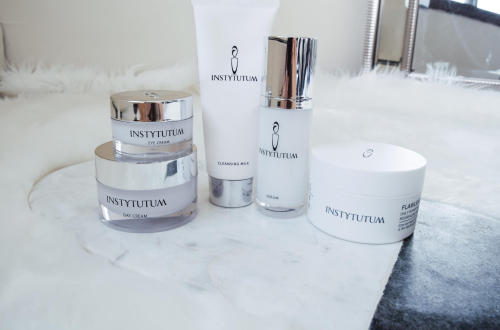
Healthy, radiant skin reflects both good skincare and overall wellness. By combining consistent routines with smart dietary and lifestyle choices, women under 50 can maximize skin luminosity and slow premature aging. A daily regimen that cleanses, hydrates, and protects, paired with balanced nutrition and stress management, is key. Below we outline evidence-based tips spanning skincare practices, seasonal adjustments, hydration, diet, sleep, stress, exercise, and sun protection — all grounded in scientific research.
Daily Skincare Routine
Cleanse gently, moisturize thoroughly. Begin and end each day with a gentle facial cleanser tailored to your skin type. Over-cleansing or using harsh soaps can strip the skin’s natural oils, so choose a “moisturizing” or gentle, hydrating cleanser. In winter months, for example, dermatologists advise cleansers that add moisture rather than remove it. After cleansing, apply a moisturizer while skin is still slightly damp to lock in hydration. Consistency is crucial: one study found that a regular cleansing + moisturizing routine increases skin hydration and microbiome diversity, which can improve overall skin health.
Morning: Cleanse, then apply a lightweight moisturizer with antioxidants. Follow with a broad-spectrum sunscreen (see below) or a daily moisturizer that contains SPF. Brightening serums (e.g. vitamin C) can be layered under your sunscreen to even tone.
Evening: Remove makeup and grime, cleanse again, then use a more nourishing night cream or oil if needed. Nighttime is ideal for repairing ingredients (retinoids or peptides), but use sparingly or alternate to avoid irritation.
Exfoliate wisely: One to two times a week (or as tolerated), exfoliate to slough off dead skin cells. Options include gentle physical scrubs or mild chemical exfoliants (like lactic or glycolic acid). Avoid over-exfoliating, which can inflame or weaken the barrier.
A consistent routine improves the skin’s barrier function. For instance, choosing a cream or balm moisturizer (with ingredients like hyaluronic acid or glycerin) in cold, dry weather can prevent transepidermal water loss and maintain plumpness. Even when relaxing at home, applying a soothing hydrating cream can reinforce the skin’s defenses.
Seasonal Skincare Adjustments
Cold, Dry Months (Winter)
Winter’s cold air and indoor heating can severely dry out and disrupt the skin barrier. Switch to richer formulas: use thicker creams or ointments on face and body to create a moisture seal, and look for humectants like hyaluronic acid, which holds water. Dermatologists recommend avoiding alcohol-based toners or cleansers in winter, since they further dry the skin. Instead, opt for fragrance-free, gentle cleansers and emollient moisturizers. After bathing, apply moisturizer immediately to damp skin to trap water.
Anti-aging actives (retinoids or AHA/BHA acids) can be more irritating in winter; reduce their frequency or use lower concentrations during harsh months. If using prescription retinoids, consider switching to a gentler over-the-counter retinol in winter and return to stronger treatments in spring. Always layer moisturizer on top of any active to cushion and hydrate the skin.
Warm, Sunny Months (Summer)
Summer brings higher temperatures, sweat, and sun exposure. In heat and humidity, a lighter, oil-free moisturizer can prevent clogged pores while still hydrating. You may need to cleanse more often (after sweating or at night) to remove sunscreen and sebum. Importantly, sunscreen is non-negotiable in summer (see “Sun Protection” below). Maintain hydration by drinking water and applying cooling gels (aloe vera, hydrating serums) after sun exposure.
Even outdoors in summer, use protective measures: seek shade during peak sun (10am–2pm), wear wide-brim hats and UV-blocking sunglasses, and cover skin with breathable long-sleeves or sun-protective fabrics. According to one skincare expert, check the UV index daily and reapply a broad-spectrum SPF 30 every two hours when it’s high. Remember that UVB burns cause tan and sunburn, while UVA penetrates deeply to age skin; both types promote wrinkles and pigment changes, so broad-spectrum protection is essential year-round.
Sun Protection and Environmental Care
Ultraviolet light is the biggest external accelerator of skin aging. Studies consistently show that regular sunscreen use reduces skin cancer rates and slows photoaging. The American Academy of Dermatology advises using a broad-spectrum SPF 30 or higher every day. Broad-spectrum means it blocks both UVB (burning rays) and UVA (aging rays). Apply sunscreen generously to all exposed areas and reapply every two hours (or immediately after swimming/sweating). Even on cloudy days or while indoors near windows, UVA can penetrate and degrade collagen, so sunscreen should be part of your daily morning routine.
Complement sunscreen with physical barriers: wear hats, long sleeves, and sunglasses whenever possible. One dermatologist’s advice: “wear sunscreen whenever possible… and use other physical protection… like clothing, hats and sunglasses”. Quality sun-protective clothing has a UPF rating; opt for tightly woven fabrics for beach days. Avoid tanning beds completely. Together, these measures help prevent UV-induced wrinkles, spots, and loss of elasticity in the skin over time.
Hydration: Inside and Out
Staying well-hydrated is fundamental to maintaining plump, glowing skin. In warm weather or after exercise, you lose extra water through sweat, so drink plenty of fresh water daily. Adequate water intake helps flush toxins from your body, supports cellular function, and keeps skin supple and less prone to fine lines. Simple measures like carrying a water bottle or infusing water with cucumber or mint can help you sip throughout the day.
Topical hydration is also important. Look for skincare products containing humectants like hyaluronic acid, glycerin, or aloe vera, which attract and hold moisture in the skin. Applying these to damp skin further boosts absorption. Using a humidifier at night or after bathing can add moisture to the air, preventing excessive dryness. In sum, combining good drinking habits with emollient skincare keeps the skin cells well-hydrated and radiant.
Nutrition and Skin Health
Glow starts from within. A balanced diet rich in fruits, vegetables, and healthy fats provides the nutrients your skin needs to repair and renew. Vitamins and antioxidants are especially important: for example, vitamins C and E are key antioxidants obtained from food that protect against UV damage and support collagen synthesis. Vitamin C (from citrus, berries, bell peppers) is crucial for collagen formation and can even help fade dark spots. Vitamin E (from nuts, seeds, avocados) aids repair and fights free radicals. Carotenoids (in carrots, sweet potatoes, leafy greens) provide vitamin A precursors that help maintain skin cell health and a natural glow.
Research underscores the role of nutrition in skin function. One review notes that adequate intake of these micronutrients is “vital for maintaining normal functioning of the skin during collagen synthesis”, and that dietary antioxidants “likely [play] an important role for protection against UV-induced damage”. Omega-3 fatty acids (from fish like salmon, flaxseeds, and walnuts) also benefit the skin. In an animal study, long-term supplementation with omega-3-rich fish oil reduced transepidermal water loss and increased skin hydration, suggesting dietary omegas can strengthen the skin barrier. Incorporate oily fish or a plant-based omega source to help lock in moisture and reduce inflammation.
Avoiding excessive sugar and processed foods is equally important. Diets high in refined carbohydrates can promote inflammation and glycation (cross-linking of proteins), which makes the skin appear dull and wrinkled over time. Focus on whole foods and colorful produce (berries, leafy greens, tomatoes) which supply polyphenols and carotenoids – potent antioxidants that stabilize free radicals and stimulate healthy collagen formation. For example, green tea and berry extracts contain compounds that defend skin cells from sun damage. A diet rich in these nutrients helps maintain skin elasticity and a vibrant complexion.
Finally, consider that other nutrients like zinc (nuts, legumes) and biotin (whole grains, eggs) are involved in wound healing and barrier function. While supplements aren’t a substitute for a good diet, they can complement it if your intake is low. Always prioritize nutrient-dense meals: what you eat shows up in your skin.
Sleep and Stress Management
Never underestimate the power of “beauty sleep.” During deep sleep, the body repairs cells and produces collagen. Studies show that chronic sleep deprivation accelerates skin aging. One review observed that poor sleepers exhibited more fine lines, uneven pigmentation, and reduced skin elasticity compared to well-rested peers. Sleep loss also impairs the skin barrier and slows recovery from environmental damage, leading to dull, sensitive skin and increased irritation. Getting a solid 7–8 hours of quality sleep each night can lead to visibly healthier skin.
Stress is similarly skin-unfriendly. Chronic psychological stress raises cortisol and other “stress hormones” that can trigger inflammation and weaken the barrier. For example, one study links lack of sleep with higher odds of redness, burning, and other skin complaints, because sleep deprivation “can trigger inflammation, increase cortisol, and weaken the skin barrier”. In practice, high stress often manifests as breakouts, redness, and slower wound healing.
Incorporate stress-management techniques into your routine. Mindfulness, meditation, or yoga can lower stress levels and indirectly improve skin. Regular physical activity (below) also releases endorphins, which reduce stress. Even simple daily habits like disconnecting from screens before bed, keeping a cool, dark bedroom, and following a relaxing nighttime ritual can enhance sleep quality. Aim for a consistent sleep schedule — it’s as crucial for skin renewal as sunscreen is for sun protection.
Exercise and Lifestyle Habits
Regular exercise promotes glowing skin in several ways. It boosts circulation, delivering oxygen and nutrients to skin cells, and it encourages lymphatic drainage of toxins. A recent review notes that “regular exercise is associated with increased blood flow to the skin, elevated skin temperature, and improved skin moisture,” which rejuvenates its appearance. The mild increase in skin temperature also speeds removal of waste products through sweat. Just 30 minutes of moderate activity (brisk walking, cycling, dancing) a few times a week can improve skin tone and color over time. Note: after swimming or working out, cleanse your skin gently to remove sweat and chlorine/salt, which can dry or irritate.
Conversely, avoid habits that prematurely age the skin. Smoking introduces free radicals and constricts blood vessels, depriving skin of oxygen; it “increases the risk of wrinkles” and accelerates sagging. Heavy alcohol consumption dehydrates the skin and dilates capillaries, so moderate (or skip) drinking. Maintain hormonal balance by managing caffeine, limiting refined carbs, and staying active, as blood sugar spikes can inflame skin.
Other lifestyle tips: protect your eyes and the delicate under-eye area (brighten dark circles naturally with cold compresses and adequate sleep). Minimize touching your face (hands carry bacteria and oils). And don’t forget regular movement—activities that enhance lymphatic flow (like massage, dry brushing, or even facial exercises) may subtly improve skin radiance by supporting detoxification and circulation.
Nutrient- and Skincare Synergy
Every aspect of health impacts skin. A glowing complexion is the sum of good habits. Nutrition, hydration, and rest build the foundation, while skincare practices and sun protection maintain and enhance it. Key lessons from research include: consistent cleansing and moisturizing routines boost skin hydration; internal vitamins and antioxidants (from foods) support collagen and barrier function; and protective measures like sunscreen and physical barriers significantly slow aging.
By integrating these habits—tailored to the seasons and to your lifestyle—women under 50 can keep skin not only glowing, but strong and healthy. Remember, building a routine takes time and consistency. Small daily choices (drinking water, applying SPF, getting enough sleep) yield cumulative benefits. With persistence and balance, you can achieve visibly brighter, more youthful skin from the inside out.