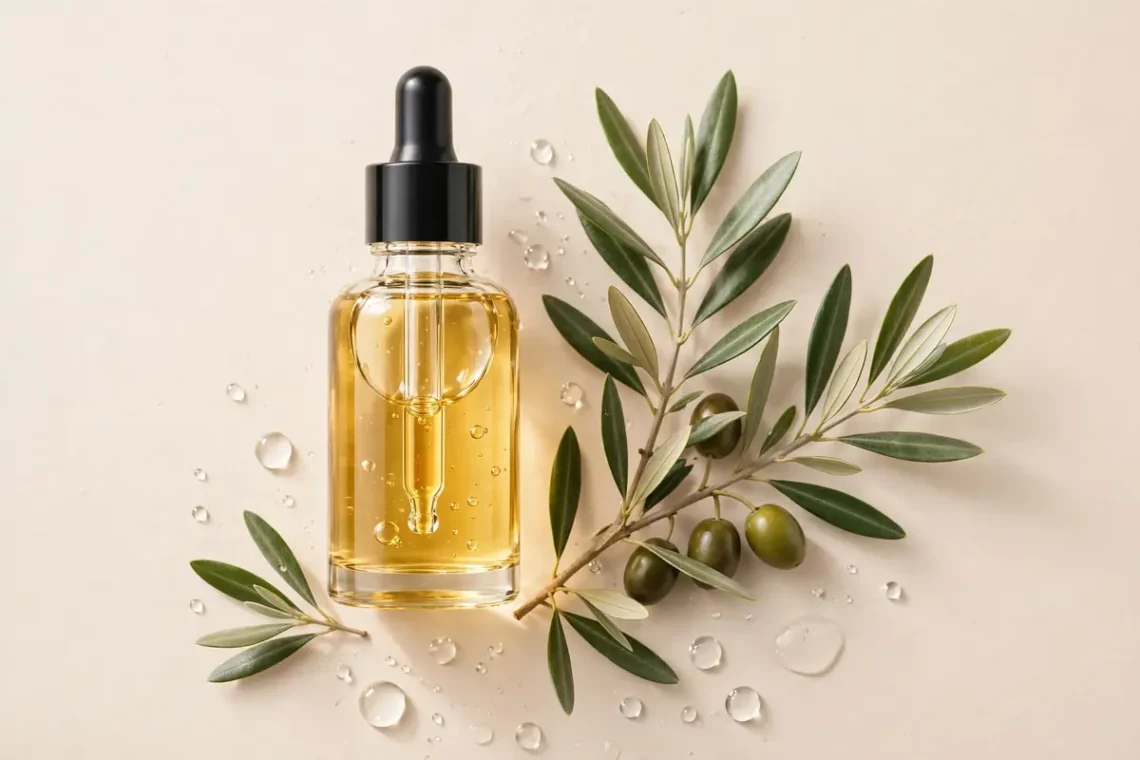
Walk through any skincare aisle or scroll through beauty recommendations online, and you will notice one ingredient appearing again and again: squalane oil. It shows up in serums, moisturizers, and even makeup removers, praised by skincare enthusiasts for feeling weightless while keeping skin soft and comfortable. But what exactly is squalane, and does it deserve a place in your routine? This guide breaks down the most talked-about squalane oil benefits for skin in plain language, explains how to use it, and answers the questions people ask most often.
In short, squalane is a light, stable oil derived from plant sources such as olives, sugarcane, or amaranth seed. It is the hydrogenated version of squalene, a lipid that occurs naturally in plants and in the oils our own skin produces. Because its structure is similar to skin’s natural lipids, it is often described as being easy for skin to accept, and many people find it comfortable to use daily.
The buzz around squalane is not hard to understand. Unlike heavier plant oils that can leave a greasy film, squalane absorbs quickly and feels almost dry to the touch once applied. That rare combination of a rich feel and a light finish is why it has become a favorite across skin types, from dry and sensitive to oily and combination.
What Is Squalane, Exactly?
To understand squalane, it helps to know the difference between squalene and squalane. Squalene (with an “e”) is a natural lipid found in olives, wheat germ, rice bran, and human sebum. On its own, however, squalene oxidizes quickly when exposed to air, which makes it unstable in skincare products. Squalane (with an “a”) is squalene that has been hydrogenated, a process that makes it far more stable and gives it a long shelf life.
Most squalane used in skincare today comes from plant sources, most commonly olives and sugarcane. Some brands also use amaranth seed. The end product is a clear, odorless oil with a silky texture. It contains no fragrance on its own, which is one reason it is often chosen for formulas aimed at sensitive skin.
It is worth noting that squalane is not an essential oil. Essential oils are concentrated plant extracts with strong scents and active compounds that can irritate skin. Squalane is a simple, neutral lipid, which places it in a very different category.
Squalane Oil Benefits for Skin
So what can this featherweight oil actually do for your skin? Here are the benefits people talk about most, along with honest context for each.
1. Lightweight hydration without the grease
Squalane’s best-known quality is how it moisturizes without feeling heavy. As an emollient, it helps fill in the tiny gaps between skin cells, which can make skin feel smoother and look more even. Because it spreads easily and absorbs fast, a few drops are usually enough for the whole face. If you have ever avoided facial oils because they felt too rich, squalane is often the oil that changes people’s minds.
2. Supports the skin’s moisture barrier
Your skin’s outermost layer acts like a shield, keeping moisture in and irritants out. When that barrier is weakened by harsh cleansers, cold weather, or over-exfoliation, skin can feel tight, rough, or reactive. Squalane may help support this barrier by supplementing the lipids skin naturally contains. A well-supported barrier tends to hold onto hydration better, which is why barrier-friendly ingredients have become such a focus in modern skincare.
3. A gentle option for sensitive skin
Squalane is often described as well tolerated, and its simple, fragrance-free nature means there are fewer ingredients that could trigger a reaction. That said, “gentle” does not mean “risk-free for everyone.” If your skin is highly reactive, it is still wise to patch test any new product on a small area first and watch for redness or itching over 24 hours before using it on your whole face.
4. Comfortable for oily and combination skin
It sounds counterintuitive, but oil can work for oily skin types. Squalane is often described as non-comedogenic, meaning it is considered unlikely to clog pores, and its dry-touch finish means it does not add visible shine. Many people with combination skin use it only on drier areas, such as the cheeks, while skipping oilier zones like the T-zone. As always, individual skin varies, so observe how your own skin responds.
5. May soften the look of fine lines
No topical oil can erase wrinkles, but well-hydrated skin often looks plumper, which can make fine dehydration lines appear less noticeable. By helping skin retain moisture at the surface, squalane may give skin a smoother, more supple appearance. Think of it as improving the look of skin through hydration rather than changing its structure.
6. Antioxidant support
Squalene, the compound squalane is derived from, has been studied for its antioxidant properties, and some of that protective character is thought to carry over. In practical terms, this means squalane may help skin cope with everyday environmental stressors. It is not a substitute for sunscreen or a dedicated antioxidant serum, but it can play a supporting role in a well-rounded routine.
How to Use Squalane Oil in Your Skincare Routine
Adding squalane to your routine is simple. A little goes a long way, so start small and adjust.
- Cleanse first. Start with your regular gentle cleanser to remove makeup, sunscreen, and daily buildup.
- Apply water-based products. If you use toners, essences, or water-based serums, apply those first, since lightweight formulas generally layer best under oils.
- Warm a few drops between your palms. Two to four drops is plenty for the face. Rubbing your hands together briefly helps the oil spread evenly.
- Press onto damp skin. Many people find oils absorb more comfortably on slightly damp skin. The American Academy of Dermatology recommends applying moisturizers while skin is still damp to help lock in hydration.
- Follow with cream if needed. If your skin is very dry, you can layer a moisturizer over the oil to seal everything in.
- Use morning and night, or as you prefer. Squalane works in both routines. In the morning, always finish with sunscreen, since squalane offers no UV protection.
- Mix it into your moisturizer. If you prefer fewer steps, blend a drop or two into your regular moisturizer instead of applying it separately.
A quick tip: because squalane is so light, it also works well on areas beyond the face. Many people smooth the excess over their cuticles, the ends of their hair, or dry patches on the body.
Squalane vs. Other Popular Facial Oils
Not all facial oils behave the same way. Here is how squalane generally compares to other well-known options:
- Jojoba oil: Technically a liquid wax rather than an oil, jojoba is another lightweight favorite. It tends to feel slightly richer than squalane and is often chosen for balancing oily skin.
- Rosehip oil: Rich in fatty acids, rosehip is prized for dry or mature-looking skin, but its natural scent and deeper color make it feel heavier than squalane.
- Argan oil: A classic all-rounder that sits in the middle weight-wise. Many people find squalane absorbs faster, while argan leaves a slightly more nourished finish.
- Marula oil: Known for a silky feel, marula is comparable in luxury but usually costs more and can feel a touch richer on very oily skin.
- Coconut oil: Widely available but heavy, and often considered comedogenic, so it is generally not recommended as a facial oil the way squalane is.
The takeaway is simple: if you want the lightest possible oil experience, squalane is usually the first one to try.
Possible Downsides and Who Should Patch Test
Squalane has a strong safety reputation in cosmetics, but no ingredient suits absolutely everyone. Keep these points in mind:
- Rare sensitivity: Even gentle ingredients can cause a reaction in some people. Patch test first if you have a history of allergies.
- Not a treatment product: Squalane hydrates and softens, but it will not treat acne, eczema, or other skin conditions on its own. See a dermatologist for persistent concerns.
- Check the full formula: Pure squalane is fragrance-free, but some products blend it with essential oils or fragrance. Read the ingredient list if you are sensitive to scent.
- No sun protection: Squalane does not protect against UV rays. Sunscreen remains non-negotiable during the day.
- Quality matters: Look for products that list squalane clearly among the first ingredients and come from brands you trust.
Frequently Asked Questions
Is squalane oil good for all skin types?
Squalane is often recommended across skin types because of its light texture and simple composition. Dry skin types appreciate its emollient feel, while oily and combination types like that it does not feel greasy. Sensitive skin types often tolerate it well, though patch testing is still smart.
Can I use squalane oil every day?
Yes, most people use squalane daily, morning and night. Because it is a simple, stable oil without active exfoliating or brightening ingredients, it does not require the rest days that stronger actives do. If your skin feels comfortable, daily use is fine.
Does squalane oil clog pores?
Squalane is generally described as non-comedogenic, which means it is considered unlikely to clog pores. However, comedogenicity can depend on the individual and on what else is in the product formula. If you are very breakout-prone, introduce it slowly and watch how your skin responds.
Should I apply squalane before or after moisturizer?
The common rule is to layer from thinnest to thickest. Squalane is usually applied after water-based serums and can go either before or after a cream moisturizer, depending on which is thicker. Many people apply squalane first and seal it with cream, while others mix the two together. Both approaches work.
Is squalane the same as squalene?
They are related but not identical. Squalene is the naturally occurring lipid, while squalane is its hydrogenated, shelf-stable form. Skincare products almost always use squalane because squalene oxidizes too quickly to be practical in a bottle.
For readers who prefer water-based hydration over oils, another classic ingredient is worth knowing: glycerin, a long-used humectant with its own set of skin benefits.






One comment on “Squalane Oil Benefits for Skin: A Simple Guide”