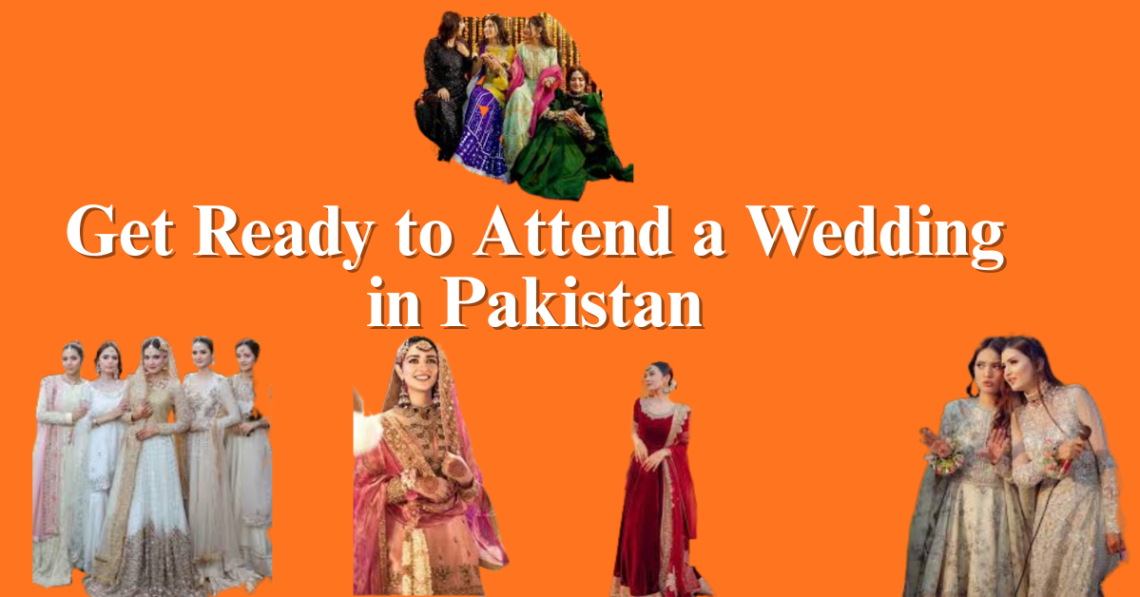
Weddings in Pakistan are not just ceremonies; they are vibrant cultural celebrations filled with joy, tradition, and family values. For Pakistani women, attending a wedding means more than simply showing up—it’s an opportunity to embrace heritage, dress in style, and take part in rituals that reflect centuries-old traditions. Whether you are attending as a guest, a close relative, or part of the bridal party, preparing for a Pakistani wedding requires thoughtful planning. From outfits to makeup and etiquette, every detail matters.
Understanding Pakistani Wedding Culture
Pakistani weddings are often multi-day events with different functions such as the Mehndi, Barat, and Walima. Each event carries its own theme, cultural values, and dress expectations. For women, this means multiple outfits, jewelry sets, and hairstyles, as well as careful preparation for each occasion. Unlike Western weddings, where one dress may suffice, Pakistani wedding culture is built around variety, color, and traditional beauty.
Planning Outfits for Each Event
The most important part of wedding preparation for women is choosing the right attire. Each function has a distinct color palette and style preference.
Mehndi (Pre-Wedding Function)
Bright and cheerful, the Mehndi ceremony is filled with music, dances, and henna traditions.
- Colors: Yellow, orange, green, and pink are popular choices.
- Style: Outfits like lehengas, shararas, or long frocks with gota or mirror work are common. Floral jewelry is also trendy for Mehndi nights.
- Tip: Opt for lightweight fabrics such as chiffon or georgette to stay comfortable while dancing.
Barat (Wedding Ceremony)
The Barat is the highlight of Pakistani weddings and is celebrated with grandeur.
- Colors: Rich shades like red, maroon, emerald green, royal blue, and gold are timeless.
- Style: Women usually wear heavily embellished lehengas, ghararas, or maxi gowns. Dupattas with traditional embroidery complete the look.
- Tip: Balance elegance and comfort—avoid overly heavy fabrics that make it difficult to move.
Walima (Reception)
The Walima, hosted by the groom’s family, is typically more elegant and subtle compared to the Barat.
- Colors: Softer shades like silver, peach, mint green, pastel pink, and sky blue are popular.
- Style: Flowing gowns, sarees, or light maxi dresses with delicate embroidery are perfect choices.
- Tip: Aim for grace and sophistication rather than heavy embellishments.
Selecting the Right Jewelry
Jewelry plays an essential role in Pakistani wedding fashion. It enhances the outfit and reflects cultural traditions.
- Mehndi: Floral or artificial jewelry sets with bangles and maang tikka are favorites.
- Barat: Traditional gold, kundan, or polki jewelry is worn. Bridesmaids and guests often wear chandbali earrings, heavy necklaces, and jhumkas.
- Walima: Light jewelry, such as pearls or minimalist diamond sets, complement the soft-toned outfits.
A good tip is to balance jewelry with the outfit. Heavy dresses work best with simple jewelry, while simpler dresses can be paired with statement pieces.
Makeup Trends in Pakistani Weddings
Makeup is an important part of wedding preparation for women in Pakistan. Beauty salons and makeup artists are often booked months in advance during peak wedding season.
- Mehndi Makeup: Bold eye colors, glitter shadows, and glossy lips with a dewy base are common.
- Barat Makeup: Smokey eyes, winged eyeliner, heavy contouring, and bold red or maroon lips create a glamorous look.
- Walima Makeup: Softer pastel tones with shimmery eyes and nude lips give a sophisticated yet natural appearance.
For those doing their own makeup, long-lasting products are essential to stay fresh throughout long wedding events.
Hairstyles for Pakistani Weddings
Hairstyles add finishing touches to the overall look.
- Mehndi: Loose curls, floral braids, or messy buns decorated with gajras.
- Barat: Sleek buns, traditional updos, or voluminous curls with a perfectly draped dupatta.
- Walima: Simple curls, soft waves, or half-up styles work beautifully with light outfits.
Always consider how your dupatta will be styled before finalizing your hairstyle.
Accessories and Handbags
To complete a Pakistani wedding look, accessories are a must.
- Clutches: Small, embellished handbags that match the outfit.
- Footwear: Traditional khussas, heels, or sandals depending on comfort.
- Extras: Bangles, anklets, and rings enhance traditional elegance.
Practical footwear is highly recommended, especially if you expect to dance or be on your feet for long hours.
Mehndi, Henna, and Nail Art
Applying mehndi is a cultural tradition for Pakistani weddings. Guests usually go for light designs, while close relatives may have more intricate patterns.
- Hand designs: Paisley and floral patterns remain classic.
- Nail art: Coordinating nail polish with the outfit or opting for glitter designs is a common trend.
Apply mehndi at least 24 hours before the event for a richer and darker color.
Skin and Hair Care Preparations
Pakistani women also focus on self-care before weddings. This ensures they look fresh and glowing throughout the events.
- Facials and cleansing treatments a few days before the functions.
- Ubtan (herbal mask) for natural brightness.
- Oil treatments and hair masks for shine and smoothness.
Avoid trying any new skincare products close to the event to prevent allergic reactions.
Cultural Etiquette at Pakistani Weddings
Looking elegant is not the only part of attending a wedding. Following cultural etiquette is equally important.
- Respect the family’s suggested dress code.
- Arrive on time, but remember that events may start later than scheduled.
- Participate respectfully in customs like Mehndi dances or salami.
- Carry a dupatta or shawl for modesty, especially in conservative settings.
Modern Trends Among Pakistani Women
Pakistani wedding fashion is evolving with modern influences while keeping cultural values intact.
- Fusion outfits like saree gowns, cape lehengas, and modern cuts are becoming popular.
- Minimalist jewelry is replacing overly heavy sets.
- Pastel and metallic tones are trending alongside traditional colors.
- Many women now follow DIY makeup tutorials for personalized looks instead of always relying on salons.
These trends allow women to showcase individuality while honoring cultural traditions.
Final Thoughts
Attending a wedding in Pakistan is a beautiful experience filled with color, tradition, and joy. For women, preparing for these events involves more than just selecting clothes. From skincare and hairstyling to jewelry and etiquette, every step contributes to creating a graceful appearance. While traditional styles remain central, modern trends give women the freedom to experiment and personalize their look.
By balancing cultural values with fashion, you can be well-prepared to attend any Pakistani wedding and enjoy the celebrations with confidence and elegance.