Blackheads on the nose are one of the most stubborn skincare problems people face. Those tiny dark dots across your nose can show up no matter how well you wash your face, and they seem to return almost as fast as you remove them. If you are wondering how to get rid of blackheads on nose skin for good, the answer is a mix of the right ingredients, a consistent routine, and knowing which common habits actually make things worse.
What Causes Blackheads on Your Nose?
A blackhead is an open comedone — a hair follicle or pore that has become clogged with excess oil (sebum), dead skin cells, and debris. Because the pore stays open at the surface, the trapped material is exposed to air and oxidizes, which is what gives blackheads their dark color. It is not dirt, and blackheads are not a sign that you are unclean.
The nose is a prime target for blackheads because it has a high concentration of sebaceous (oil) glands, especially across the T-zone. Hormonal fluctuations, hot and humid weather, heavy or pore-clogging products, and infrequent exfoliation can all increase oil production and dead cell buildup, creating the perfect conditions for blackheads to form.
How to Get Rid of Blackheads on Nose: 10 Proven Methods
1. Cleanse Twice a Day With a Gentle Cleanser
Start with the basics. Wash your face morning and night with a gentle, non-comedogenic cleanser that matches your skin type. This removes surface oil, sunscreen, and makeup before they can settle into your pores. Use your fingertips and lukewarm water — scrubbing with a rough washcloth or sponge can irritate the skin and trigger even more oil production.
2. Use Salicylic Acid (BHA)
Salicylic acid is the gold-standard ingredient for blackheads. As an oil-soluble beta hydroxy acid, it penetrates inside the pore, dissolving the mix of oil and dead cells that forms the clog. Look for cleansers, toners, or leave-on serums with 0.5% to 2% salicylic acid. If your skin is new to it, start two or three times a week and build up to daily use as tolerated.
3. Try an Over-the-Counter Retinoid
Topical retinoids such as adapalene (available as Differin gel without a prescription) increase cell turnover and prevent dead cells from clogging pores. Apply a pea-sized amount to your whole face at night, starting twice a week and increasing gradually. Retinoids make skin more sun-sensitive, so always pair them with daily sunscreen.
4. Apply a Clay Mask Once or Twice a Week
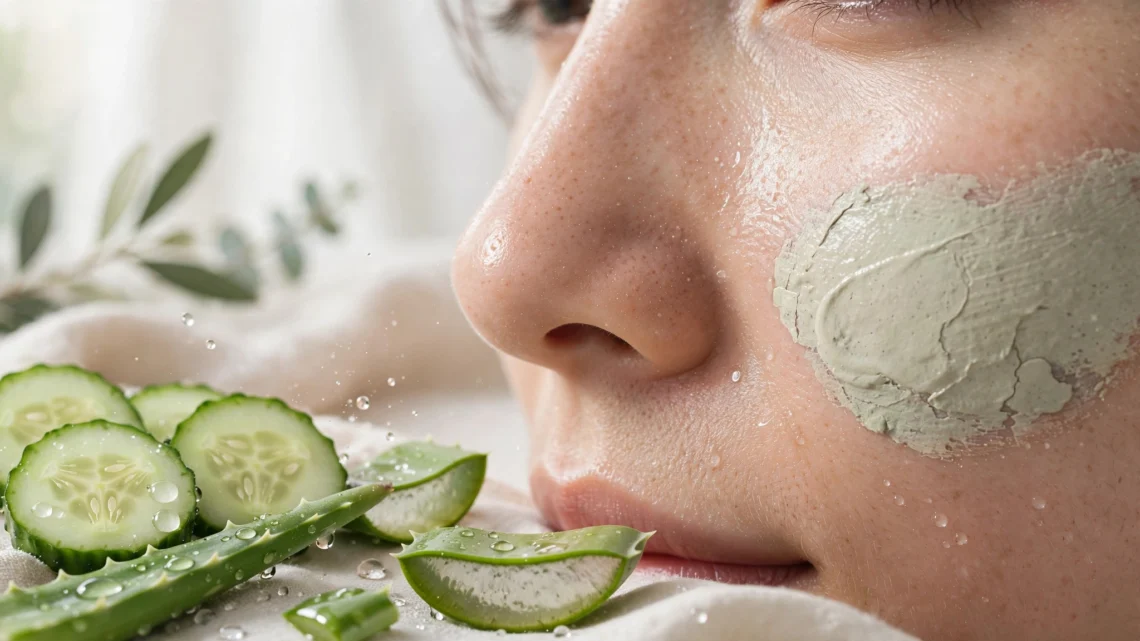
Clay masks containing kaolin or bentonite clay absorb excess oil and draw impurities from the pores. Apply a thin layer to the nose and T-zone, leave it on until it is nearly dry (about 10 minutes), then rinse. Do not use clay masks every day — overdoing it strips the skin and can cause rebound oiliness.
5. Exfoliate Gently, Not Aggressively
Regular exfoliation keeps dead cells from building up around the pore openings. Chemical exfoliants like salicylic, glycolic, or lactic acid are far better than harsh physical scrubs, which can create micro-tears and worsen blackheads. Two to three times a week is enough for most skin types.
6. Use Pore Strips Sparingly
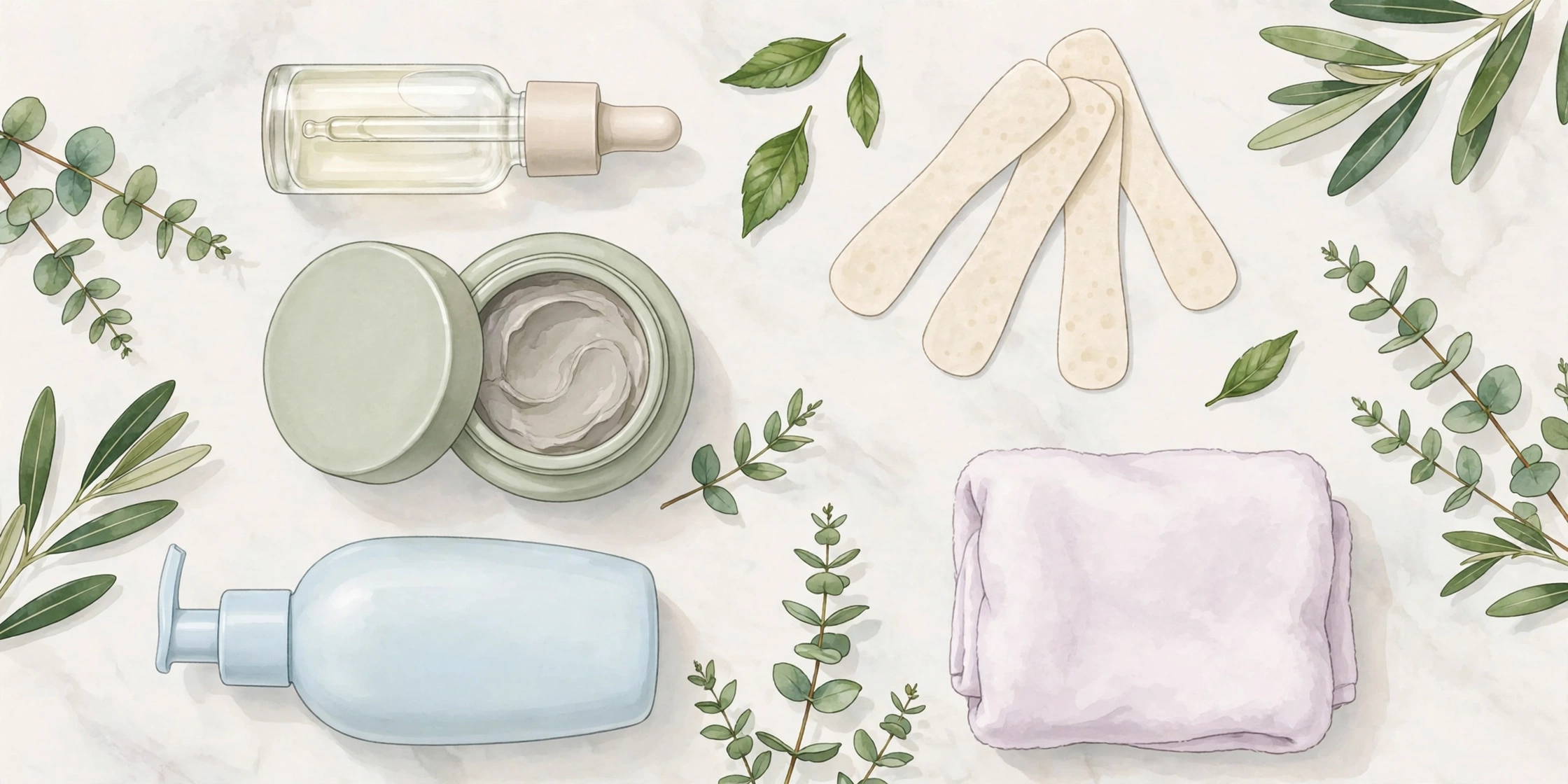
Pore strips can be satisfying and effective for surface-level blackheads — apply one to a damp nose after a warm shower, let it dry completely, then peel gently. However, dermatologists caution that strips do not prevent blackheads from coming back and can irritate sensitive skin if used too often. Think of them as an occasional quick fix, not a long-term solution.
7. Try Warm Compresses or Steam Before Treatments
A warm compress or a few minutes of facial steaming softens the hardened oil inside pores, making other treatments more effective. After showering or steaming, your pores are more receptive to salicylic acid or a clay mask. Never use boiling water or steam for too long, as excess heat can irritate the skin.
8. Switch to Non-Comedogenic Products
Every product that touches your nose matters — cleanser, moisturizer, sunscreen, and makeup. Non-comedogenic formulas are designed not to clog pores. This is especially important for sunscreen, since skipping it is not an option (UV damage worsens the appearance of pores). Look for lightweight, oil-free, water-based formulas.
9. Add Niacinamide to Your Routine
Niacinamide (vitamin B3) helps regulate sebum production, strengthens the skin barrier, and visibly tightens the look of pores. A 5% to 10% niacinamide serum used daily pairs well with salicylic acid and retinoids, making it a great supporting player in a blackhead-fighting routine.
10. Consider Professional Extraction
For deeply embedded blackheads, a dermatologist or licensed esthetician can perform professional extractions with sterile tools and proper technique. This is far safer than DIY squeezing. WebMD lists proven ways to remove blackheads, noting that professional extraction avoids the scarring risk of home attempts. If blackheads are severe or keep returning, a dermatologist can also discuss prescription-strength retinoids or in-office procedures.
What Not to Do
- Do not squeeze or pick. It feels satisfying, but squeezing can push the clog deeper, introduce bacteria, and cause inflammation or scarring.
- Do not over-dry your skin. Harsh astringents and alcohol-based toners strip the skin, which can signal your oil glands to produce even more sebum.
- Do not use harsh scrubs daily. Aggressive physical exfoliation damages the barrier and worsens breakouts.
- Do not sleep with makeup on. Even a single night lets product settle deep into pores.
How to Prevent Blackheads From Coming Back
Removing blackheads is only half the battle — keeping them away requires consistency. Stick to your salicylic acid or retinoid routine even when your nose looks clear, because pores begin re-clogging within days of stopping. Change your pillowcase two to three times a week, cleanse after sweating, avoid touching your face during the day, and keep hair products off the skin around your hairline and nose. Manage stress and maintain a balanced routine rather than cycling through harsh treatments.
For a related concern, read our guide on how to get rid of whiteheads, which covers the closed comedones that often appear alongside blackheads.
FAQs
How long does it take to get rid of blackheads on the nose?
With a consistent routine using salicylic acid or a retinoid, most people see noticeable improvement in two to four weeks. Deeper, long-standing blackheads may take six to eight weeks. Instant results from pore strips are temporary; lasting results come from prevention.
Do blackheads go away on their own?
Some surface-level blackheads may loosen and clear over time, but most persist without treatment because the oil plug is firmly lodged in the pore. A consistent routine is the only reliable way to keep them from accumulating.
Are pore strips bad for your skin?
Pore strips are not inherently bad, but they are a temporary cosmetic fix. They do not shrink pores permanently or stop new blackheads from forming, and overuse can irritate the skin or strip away healthy tissue around the pore.
Can I use baking soda or lemon to remove blackheads?
It is best to avoid these DIY remedies. Baking soda is too alkaline and disrupts the skin’s protective barrier, while lemon juice can cause irritation and photosensitivity. Stick to evidence-based ingredients like salicylic acid and retinoids.
Why do my blackheads keep coming back?
Blackheads recur because sebum production never stops. Every pore on your nose produces oil daily, so without ongoing maintenance — regular cleansing, exfoliation, and a non-comedogenic routine — pores simply clog again. Consistency is the key to keeping them away.
Clearing blackheads from your nose is not about finding one miracle product. It is about a steady, gentle routine built around proven ingredients like salicylic acid and retinoids, avoiding the habits that damage your skin, and giving the treatments enough time to work. With patience and consistency, you can keep your nose clear and your pores looking their best.