If there is one ingredient that has earned a permanent spot in bathroom cabinets around the world, it is hyaluronic acid. Walk down any skincare aisle or scroll through any beauty feed, and you will see it everywhere — in serums, moisturizers, sheet masks, and even lip balms. But popularity is not the same as proof. Understanding the real hyaluronic acid serum benefits helps you use the ingredient correctly, choose a formula that actually works, and avoid the common mistakes that leave skin feeling drier than before.
Hyaluronic acid (HA) is not an exfoliating acid like glycolic or salicylic acid, despite the name. It is a humectant — a substance that attracts and holds water. Your body already makes it naturally: it is found in your skin, joints, and eyes, where it keeps tissues cushioned and hydrated. The catch is that your natural supply declines with age, which is one reason skin becomes drier, thinner, and less bouncy over time. A well-formulated serum simply tops up what time takes away.
What Is Hyaluronic Acid Serum?
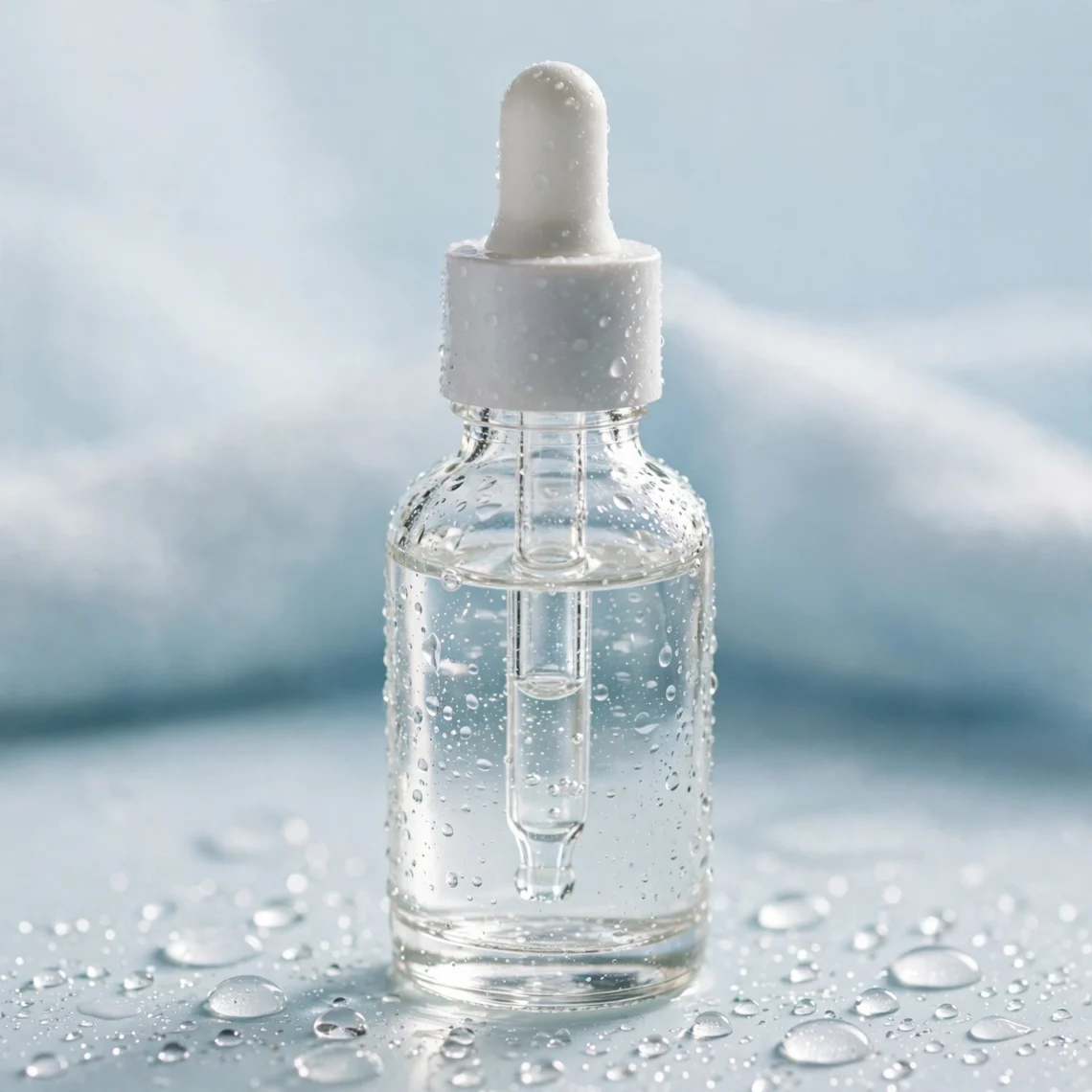
A hyaluronic acid serum is a lightweight, water-based treatment designed to deliver concentrated hydration to the skin. Most serums contain sodium hyaluronate (the salt form of hyaluronic acid, which penetrates more easily), often combined with glycerin, panthenol (vitamin B5), or ceramides. The serum goes on after cleansing and before moisturizer, acting like a tall drink of water for thirsty skin.
Formulas vary in the molecular weight of the HA they contain. Larger molecules sit on the surface and hydrate the outermost layers, while smaller molecules can sink slightly deeper. Many modern serums use a blend of multiple weights to hydrate at different levels — one reason label-reading matters when you shop.
The Science Behind the Hype
The most famous claim about hyaluronic acid is that it can hold up to 1,000 times its weight in water. While the exact figure is debated, the underlying mechanism is solid: as a humectant, HA draws moisture from its surroundings and binds it to the skin’s surface, which is why dermatologists consistently recommend it as a hydrator. For a deeper, research-backed breakdown of how the ingredient works at the molecular level, Healthline’s guide to hyaluronic acid for skin is a trustworthy place to continue reading.
7 Hyaluronic Acid Serum Benefits Worth Knowing
1. Deep, Lasting Hydration
This is the headline benefit and the one with the strongest evidence. By pulling water into the upper layers of the skin and slowing transepidermal water loss (the evaporation of moisture from the skin’s surface), HA serums keep skin hydrated for hours after application. Dehydrated skin — which can look dull, feel tight, and show fine lines more prominently — often improves within days of consistent use.
2. Plumper, Bouncier-Looking Skin
Well-hydrated skin cells are literally fuller of water, which translates into a plumper, more supple appearance. That “bouncy” quality people describe after using a good HA serum is not imagination; it is the visible result of restored water content in the epidermis. This plumping effect also makes pores look slightly smaller, since the surrounding skin is smoother and more even.
3. Softer Fine Lines and Wrinkles
Hyaluronic acid will not erase deep wrinkles the way an in-office treatment might, but it visibly softens the fine dehydration lines that make skin look older than it is. When the skin’s surface is smooth and full of moisture, light reflects more evenly, and those tiny creases around the eyes and mouth become far less noticeable. Studies on topical HA have shown measurable improvements in wrinkle depth and skin roughness over several weeks of use.
4. A Stronger Skin Barrier
Your skin barrier is the protective outer layer that keeps moisture in and irritants out. When it is compromised, you get redness, sensitivity, and breakouts. Hydration is foundational to barrier health, and by maintaining optimal water levels, hyaluronic acid helps the barrier do its job. Many formulas pair HA with ceramides or niacinamide specifically to reinforce this effect.
5. Calmer, Less Reactive Skin
Dryness and irritation often travel together. Because HA soothes by hydrating rather than by exfoliating or stimulating, it is one of the few “active-feeling” ingredients that rarely causes stinging. People with sensitive or redness-prone skin often find that adding an HA serum reduces the tight, uncomfortable feeling that follows cleansing — especially in winter or in dry climates.
6. Better Makeup Application
Makeup artists have a saying: great makeup starts with great skin prep. Foundation clings to dry patches and settles into fine lines, but on well-hydrated skin it glides on smoothly and looks more natural. A thin layer of HA serum under moisturizer creates that dewy, even canvas that makes everything layered on top perform better and last longer.
7. Compatibility With Almost Everything
Unlike strong actives, hyaluronic acid plays well with others. You can layer it with vitamin C in the morning, niacinamide at any time, and retinoids at night — it actually helps buffer the dryness those stronger ingredients can cause. If you are building an anti-aging routine and wondering what to pair with your hydrating steps, our niacinamide serum benefits guide walks you through another multi-tasking ingredient worth adding.
How to Use Hyaluronic Acid Serum for Maximum Benefits
Technique matters more than most people realize. Follow these steps:
- Cleanse first. Start with a gentle cleanser to remove dirt, oil, and sunscreen so the serum can reach your skin.
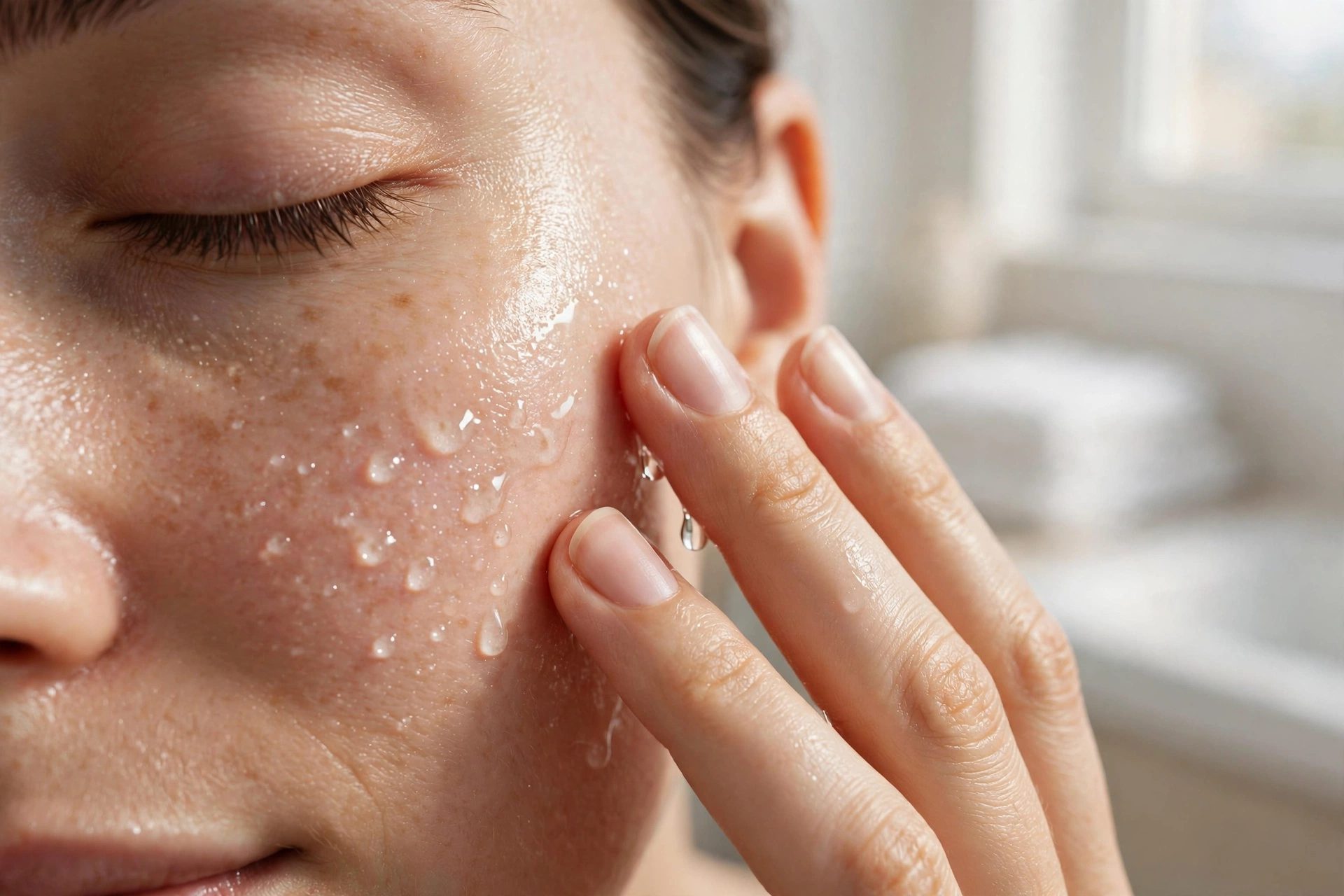
- Apply to damp skin. This is the golden rule. Mist your face with water or a hydrating toner, then press 2–4 drops of serum into the damp skin. HA needs surrounding moisture to grab onto — on bone-dry skin in a dry room, it can actually pull water out of your skin instead.
- Press, don’t rub. Use your fingertips to gently press the serum in. Aggressive rubbing creates friction and wastes product.
- Seal it with moisturizer. Within a minute, layer your moisturizer on top. The cream or lotion locks in the hydration the serum just delivered. Think of HA as the water and moisturizer as the lid.
- Finish with sunscreen in the morning. Hydration does not replace UV protection. SPF 30 or higher every day is non-negotiable.
- Use it twice daily. HA is gentle enough for morning and night use. Consistency beats quantity — a few drops daily outperform a heavy application once a week.
Mistakes That Cancel Out the Benefits
- Applying to dry skin in a dry climate — the number one reason people say “hyaluronic acid dried me out.” Always dampen first.
- Using too much product — a few drops cover the whole face. Over-application leaves a sticky film and wastes money.
- Skipping moisturizer afterward — without an occlusive layer on top, the hydration simply evaporates.
- Choosing formulas above 2% HA — higher concentrations can irritate or feel tacky without adding benefit.
- Expecting it to replace moisturizer — serums hydrate (add water); moisturizers moisturize (lock it in with oils and barrier ingredients). You need both.
Who Should Use Hyaluronic Acid Serum?
Almost everyone. It suits dry, oily, combination, sensitive, and mature skin because it hydrates without adding oil or clogging pores — it is non-comedogenic. Oily and acne-prone skin types often love it because it delivers moisture without heaviness. The main exceptions are rare: if you react to a specific formula, the culprit is usually fragrance or a preservative, not the hyaluronic acid itself. When in doubt, patch test on your jawline for 24 hours before full-face use.
Frequently Asked Questions
Can I use hyaluronic acid serum every day?
Yes. It is gentle enough for twice-daily use, morning and night. Apply it after cleansing and before moisturizer, and always on slightly damp skin for best results.
Should hyaluronic acid go on before or after moisturizer?
Before. Serums are thinner and water-based, so they go on first; moisturizer goes on top to seal everything in. The classic order is: cleanser, toner or mist, serum, moisturizer, sunscreen (morning).
Can I use hyaluronic acid with vitamin C or retinol?
Absolutely — it pairs beautifully with both. With vitamin C, apply the vitamin C serum first, then HA. With retinol at night, HA underneath (or mixed into your routine) helps offset the dryness retinol can cause.
Does hyaluronic acid serum work for oily skin?
Yes, and it is often ideal for oily skin. It provides weightless hydration without adding oil, which can actually help oily skin feel more balanced. Choose a lightweight, fragrance-free formula.
How long does it take to see results from hyaluronic acid serum?
Hydration improvements are often noticeable within a few days. Smoother texture and softened fine lines typically take 2–4 weeks of consistent twice-daily use.
Can hyaluronic acid cause breakouts?
Pure hyaluronic acid is non-comedogenic and unlikely to clog pores. If you break out after starting a new serum, check the rest of the ingredient list — heavy oils, silicones, or fragrance are more likely culprits.