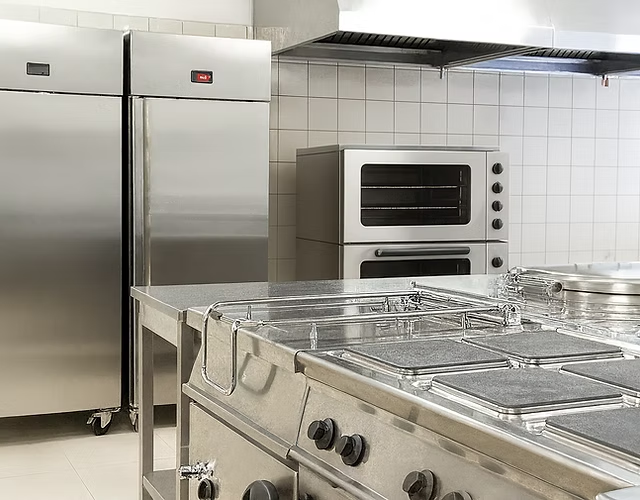
Running a restaurant in St. Augustine, Florida means keeping pace with one of the busiest tourist markets on the First Coast. Between the historic district’s steady foot traffic, the coastal dining scene along the Matanzas River, and the year-round flow of visitors exploring the nation’s oldest city, local restaurants can’t afford unexpected downtime. When a walk-in cooler stops holding temperature or a fryer won’t heat up on a Friday night, every minute of delay costs money, spoils inventory, and risks a bad review. That’s why reliable Restaurant Appliance Repair in St. Augustine, FL is one of the most important behind-the-scenes services a St. Augustine food service business can invest in.
Why Commercial Kitchen Equipment Fails Faster in This Climate
St. Augustine’s subtropical climate is beautiful for visitors but tough on commercial kitchen equipment. High humidity, salt air near the coast, and long, hot summers put extra strain on refrigeration compressors, condenser coils, and ventilation systems. Restaurants near the beach or along A1A often see faster corrosion on stainless steel components and electrical connections due to salt exposure. Combine that with the sheer volume of covers many local restaurants turn during peak tourist season, and it’s easy to see why appliances here tend to wear out faster than in cooler, drier inland markets.
Humidity and Refrigeration Strain
Walk-in coolers, reach-in refrigerators, and ice machines all have to work harder in humid conditions. Excess moisture in the air makes compressors run longer cycles, which accelerates wear on motors and seals. Restaurant owners in St. Augustine often notice refrigeration issues appear seasonally, worsening from late spring through early fall when humidity peaks.
Salt Air and Equipment Corrosion
Businesses within a few miles of the coastline frequently see rust and corrosion on exterior housing, electrical panels, and gas lines faster than inland operations. This is a St. Augustine-specific challenge that a technician unfamiliar with coastal conditions might not anticipate or address properly during a repair.
Common Appliances That Need Repair
Almost every piece of equipment in a commercial kitchen can eventually need service, but certain appliances tend to generate the most repair calls.
Walk-In Coolers and Freezers
Temperature fluctuations, unusual noises, ice buildup on evaporator coils, and doors that won’t seal properly are the most common signs a walk-in unit needs attention. Because these units hold the bulk of a restaurant’s perishable inventory, a malfunction here is often the most urgent type of repair, since spoiled product means direct financial loss on top of the repair bill.
Commercial Ovens and Ranges
Uneven heating, pilot lights that won’t stay lit, faulty igniters, and thermostat calibration issues are frequent problems with both gas and electric ovens and ranges. A range that runs hot or cold throws off cook times across an entire menu, which can affect food quality and consistency during service.
Fryers
Fryers see constant use during lunch and dinner rushes, especially at restaurants serving fried seafood, a staple across St. Augustine’s coastal dining scene. Thermostat failures, heating element burnout, and oil filtration system issues are among the most common fryer repairs.
Dishwashers and Warewashers
High-volume dishwashing systems keep a kitchen’s turnaround fast, and any interruption backs up the entire back-of-house workflow. Water temperature problems, pump failures, and drainage issues are typical culprits.
Ice Machines
Ice machines work overtime in Florida’s heat, particularly for beverage-heavy concepts and beachside bars. Mineral buildup, refrigerant leaks, and water filtration issues are common causes of reduced ice production or off-tasting ice.
Ventilation Hoods and Exhaust Systems
Grease buildup, fan motor failure, and airflow imbalance in exhaust hoods aren’t just performance issues, they’re also fire code and health inspection concerns. Regular maintenance and prompt repair keep kitchens compliant as well as functional.
Signs You Need Professional Repair Service
Restaurant owners and kitchen managers don’t need to be technicians themselves, but recognizing early warning signs can prevent a minor issue from becoming a full equipment failure. Watch for:
- Unusual noises, such as grinding, buzzing, or rattling, coming from motors or compressors
- Inconsistent temperatures in refrigeration units or ovens
- Higher-than-normal energy bills, which often signal a unit working harder than it should
- Visible leaks of water, refrigerant, or gas
- Error codes or warning lights on digital equipment displays
- Slower cycle times on dishwashers or ice machines
Addressing these signs early, rather than waiting for a complete breakdown, is almost always less expensive and less disruptive to service.
The Cost of Downtime in a Tourist-Driven Market
St. Augustine’s economy leans heavily on tourism, and restaurants here often depend on consistent, high-volume service to make the most of peak seasons. When a critical appliance goes down unexpectedly, the costs extend well beyond the repair invoice. Lost food inventory, reduced menu offerings, slower table turns, and frustrated customers can all follow a single equipment failure. For restaurants operating near capacity during festivals, holidays, or the summer tourist rush, even a few hours without a working oven or refrigeration unit can mean thousands of dollars in lost revenue.
This is why many local restaurant owners prioritize working with repair technicians who understand the urgency of commercial kitchen service and can respond quickly, ideally with same-day or emergency appointment availability.
What to Look for in a Restaurant Appliance Repair Company
Not all appliance repair services are equipped to handle commercial kitchen equipment, which operates differently from residential appliances in terms of scale, power requirements, and safety codes. When evaluating a repair company in St. Augustine, consider the following:
Experience With Commercial-Grade Equipment
Commercial refrigeration, cooking, and ventilation equipment often requires specialized parts, tools, and certifications that differ from residential repair work. Look for technicians with specific experience servicing brands and models common in restaurant settings.
Fast Response Times
Given how costly downtime can be, a repair company’s ability to respond quickly, sometimes the same day, matters as much as their technical skill. Ask about typical response windows, especially for emergency situations.
Familiarity With Local Conditions
A technician who regularly works in St. Augustine’s coastal, humid environment will be better equipped to diagnose issues related to corrosion, moisture, and heavy seasonal usage patterns that are specific to this region.
Proper Licensing and Insurance
Commercial kitchen repairs often involve gas lines, high-voltage electrical systems, and refrigerants that require specific certifications to handle safely and legally. Confirm that any repair company carries the appropriate licensing and insurance before hiring them.
Preventive Maintenance Options
The best repair relationships aren’t just reactive. Many restaurants benefit from scheduled maintenance visits that catch small issues, like a failing gasket or a dirty condenser coil, before they turn into costly breakdowns.
Preventive Maintenance: The Smarter Long-Term Strategy
While emergency repair services are essential, the most cost-effective approach for St. Augustine restaurants is a proactive maintenance schedule. Regular inspections of refrigeration seals, cleaning of condenser coils, calibration checks on ovens and fryers, and periodic descaling of ice machines can significantly extend equipment lifespan. Given the added strain that heat, humidity, and salt air place on commercial kitchen equipment in this region, a maintenance plan tailored to local conditions can reduce the frequency of emergency calls and help restaurants budget more predictably for equipment upkeep.
Final Thoughts
For restaurant owners in St. Augustine, dependable appliance repair isn’t a luxury, it’s a core part of running a successful operation in a demanding, tourist-driven market. The combination of high humidity, coastal salt exposure, and heavy seasonal use means commercial kitchen equipment here faces unique challenges compared to other regions. By recognizing early warning signs, understanding which appliances are most prone to issues, and partnering with an experienced local repair service that offers fast response times and preventive maintenance, restaurant owners can minimize downtime, protect their inventory, and keep their kitchens running smoothly no matter how busy the season gets.