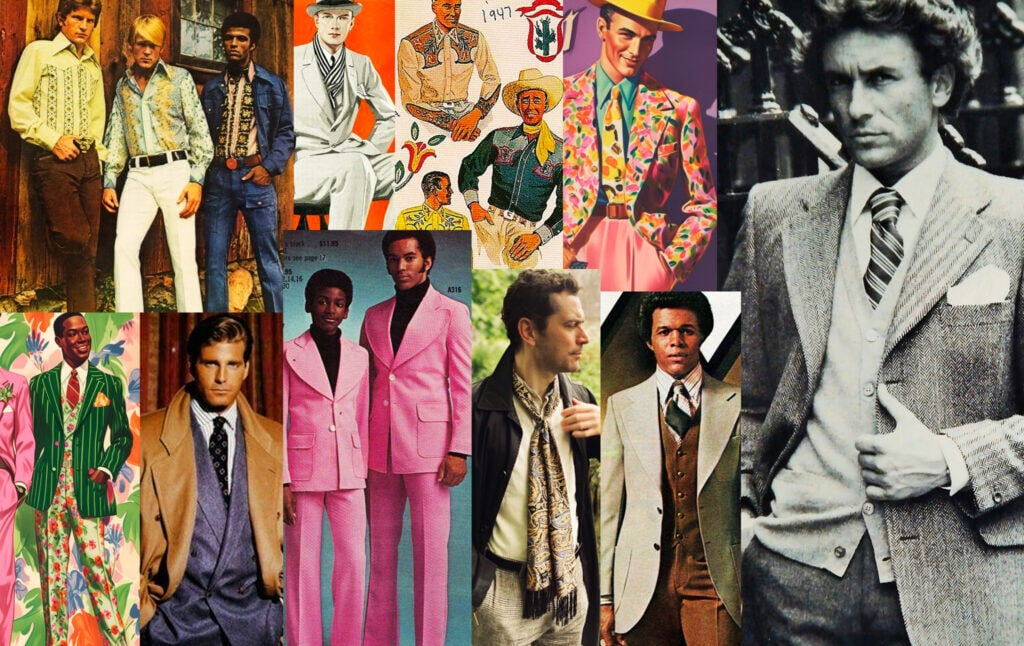
Menswear is no longer limited to traditional suits, neutral basics, and predictable styling. Over the last decade, men’s fashion has evolved into a much more expressive and creative industry where individuality, craftsmanship, and personal identity play a central role.
Today’s consumers are becoming increasingly selective about what they wear. Instead of purchasing large quantities of fast-fashion apparel, many men now focus on building curated wardrobes filled with versatile, high-quality pieces that reflect their lifestyle and aesthetic preferences.
This shift has accelerated the growth of independent designer fashion and contemporary luxury menswear.
The Evolution of Contemporary Menswear
Modern men’s fashion has expanded far beyond conventional dress codes. While tailoring remains important, contemporary menswear now blends influences from:
- streetwear
- luxury fashion
- minimalism
- sportswear
- avant-garde design
- workwear aesthetics
As a result, today’s wardrobes are more flexible, personal, and style-driven than ever before.
Consumers are increasingly interested in clothing that offers:
- individuality
- premium quality
- long-term durability
- versatility
- originality
Fashion has become a form of self-expression rather than simply a practical necessity.
Why Designer Menswear Continues to Grow
One of the biggest trends shaping the fashion industry is the growing demand for independent and designer labels. Many consumers feel disconnected from mass-produced apparel because it often lacks originality and craftsmanship.
Independent designers offer something different:
- limited collections
- distinctive silhouettes
- artistic direction
- premium fabrics
- handcrafted details
These qualities create stronger emotional value and allow consumers to build wardrobes that feel more personal and unique.
Designer clothing also tends to maintain higher construction quality compared to fast-fashion alternatives. Better materials, stronger tailoring, and more thoughtful garment construction often lead to longer product lifespan and improved fit.
The Shift Toward Slow Fashion
The rise of slow fashion has significantly influenced menswear purchasing habits. Consumers are becoming more aware of:
- textile waste
- overproduction
- environmental impact
- unethical manufacturing
- disposable fashion culture
As a result, many shoppers now prioritize fewer but better pieces instead of constantly replacing low-quality clothing.
This approach encourages investment in timeless garments that remain stylish across multiple seasons rather than short-lived trends.
Contemporary menswear increasingly emphasizes:
- neutral layering pieces
- structured outerwear
- premium knitwear
- tailored trousers
- elevated basics
These wardrobe staples provide greater versatility while supporting more sustainable consumption habits.
Streetwear and Luxury Fashion Are Blending Together
One of the most important developments in modern fashion is the merging of luxury menswear and streetwear aesthetics.
What once existed as separate fashion categories has now evolved into a unified style language that combines:
- relaxed silhouettes
- technical fabrics
- premium craftsmanship
- oversized tailoring
- casual sophistication
Luxury brands increasingly incorporate streetwear-inspired details, while contemporary streetwear labels adopt luxury-level production quality and material selection.
Independent designers have played a major role in this evolution because they are often more willing to experiment creatively without being constrained by traditional fashion rules.
Modern Consumers Want Authenticity
Today’s fashion consumers care less about logos and mass-market status symbols than previous generations. Instead, authenticity and individuality have become major purchasing drivers.
Modern shoppers increasingly look for brands that represent:
- creativity
- originality
- artistic identity
- craftsmanship
- cultural relevance
This shift explains why curated designer platforms continue gaining popularity among fashion-conscious consumers.
Rather than browsing endless generic inventories, shoppers now prefer carefully selected collections that offer stronger creative direction and more meaningful discovery experiences.
The Importance of Craftsmanship in Menswear
As fashion becomes more intentional, craftsmanship is once again becoming a defining feature of luxury apparel.
Consumers pay closer attention to:
- stitching quality
- fabric texture
- garment construction
- tailoring precision
- material durability
Well-made clothing not only looks better but also performs better over time. Structured garments maintain their shape longer, premium fabrics age more gracefully, and thoughtful construction improves overall comfort and fit.
Many consumers now view fashion purchases as long-term investments rather than impulse-driven trend purchases.
Curated Fashion Platforms Are Changing Online Shopping
Traditional online retail often overwhelms consumers with excessive product quantity and little creative identity. Curated fashion platforms offer a different approach by focusing on designer discovery and aesthetic consistency.
These platforms help consumers explore:
- emerging designers
- niche aesthetics
- limited collections
- experimental silhouettes
- contemporary luxury brands
By emphasizing curation instead of mass inventory, they create more engaging shopping experiences and stronger emotional connections between consumers and designers.
Doors.nyc is one example of a modern curated fashion platform that supports independent designers and contemporary luxury fashion. The platform features collections from international creative brands while focusing on individuality, craftsmanship, and innovative menswear aesthetics.
For shoppers interested in elevated contemporary fashion, collections featuring men’s designer clothing provide access to independent designers, modern tailoring, statement outerwear, premium essentials, and fashion-forward menswear from global creative labels.
The Future of Menswear
The future of men’s fashion will likely continue moving toward individuality, sustainability, and versatility. Consumers are becoming increasingly intentional about how they build their wardrobes and which brands they choose to support.
Several trends are expected to remain highly influential:
- slow fashion
- gender-fluid styling
- elevated basics
- premium casualwear
- sustainable production
- artistic craftsmanship
Independent designers and curated fashion ecosystems are especially well positioned for this future because they align closely with the values modern consumers prioritize.
As menswear continues evolving, fashion will increasingly become less about following trends and more about creating personal style identities built around quality, creativity, and authenticity.
Read More: sistrology.org