Dark spots are stubborn. Whether they come from old breakouts, years of sun, or hormonal melasma patches, uneven pigmentation can outlast every cream you throw at it. Enter tranexamic acid — a lesser-known skincare ingredient that works on discoloration from the inside out. The tranexamic acid benefits for skin center on one thing: interrupting the processes that create excess pigment, so spots fade and tone evens out.
Despite the chemical-sounding name, tranexamic acid is a gentle brightening option that most skin types tolerate well, and dermatologists have been paying it increasing attention. This guide covers the key tranexamic acid benefits for skin, how the ingredient actually works, how to use it, and which pairings make it most effective.
What Is Tranexamic Acid?
Tranexamic acid is derived from the amino acid lysine. In medicine it has been used for years as an oral medication, but in skincare it is applied topically in serums and creams, typically at concentrations of around 2 to 5 percent. Unlike exfoliating acids such as glycolic or salicylic acid, it does not work by dissolving dead skin — it works by calming the pigment-producing machinery underneath.
That distinction matters. Many brightening ingredients either bleach pigment or strip the surface; tranexamic acid instead interferes with the signals that tell skin cells to produce excess melanin in the first place. Healthline’s overview of tranexamic acid for skin covers its benefits, safety, and usage guidance in detail source.
Key Tranexamic Acid Benefits for Skin
1. Fades Melasma and Stubborn Dark Patches
Melasma — the symmetrical brown or gray patches that often appear on the cheeks and forehead — is notoriously resistant to treatment. Tranexamic acid has emerged as one of the more promising options: in a 2019 study, participants using topical tranexamic acid for 12 weeks saw their melasma severity decrease by 27 percent, roughly matching the results of hydroquinone, the classic lightening agent.
What stood out was tolerability. The tranexamic acid users reported higher treatment satisfaction thanks to fewer side effects like skin irritation. Because it does not bleach normally pigmented skin, it targets areas of excess pigment without lightening your natural skin tone — a meaningful advantage for long-term tone management.
2. Helps Post-Acne Discoloration
Breakouts often leave souvenirs: red, pink, or purple marks (post-inflammatory erythema) and brown spots (post-inflammatory hyperpigmentation). A 2022 review found tranexamic acid appears helpful for lessening the appearance of these lesions, with little risk of serious side effects.
Because it works on the pigment-production pathway rather than exfoliating the surface, it suits people whose skin is too reactive for strong acids but who still need help with lingering marks. If breakouts are the source of your spots, pairing a gentle brightening routine with good breakout habits works better than either alone. For help choosing a formula, see our guide to the best serum for dark spots for what to look for on the label.
3. Addresses Sun-Related Spots and Redness
Years of UV exposure leave sun spots and diffuse redness, and tranexamic acid shows promise here too. A small 2021 study suggested it could improve overall skin tone and reduce sun-related redness and dark spots, with participants reporting improvements in tone, redness, and dark spots after just two weeks of twice-daily use of a tranexamic acid derivative, with continued improvement over eight weeks.
Two caveats keep expectations honest: this was a small study, and no brightening ingredient can outrun unprotected sun exposure. UV light stimulates melanin production, so every brightening routine lives or dies on daily sunscreen. Think of tranexamic acid as the correction step and SPF as the prevention step — you need both.
4. Supports the Skin Barrier
The skin barrier is the outermost layer that keeps moisture in and irritants out, and it is often compromised in conditions like rosacea. In a small 2015 study, people who applied a 3 percent tranexamic acid treatment for two weeks showed fewer visible signs of rosacea than those who did not, with researchers linking the improvement to better barrier function.
This barrier-supporting quality helps explain why tranexamic acid tends to be well tolerated. Instead of thinning or stressing the skin the way aggressive exfoliants can, it appears to help the skin hold itself together — making it a reasonable option even for people whose skin reacts to most actives.
5. Generally Well Tolerated by Most Skin Types
Dermatologists describe tranexamic acid as generally safe for all skin types. The most common side effects found in a small 2014 study were dryness, irritation, and flaking — typically mild, and often resolving as the skin adjusts. Rich moisturizer applied afterward handles dryness and flaking, and irritation usually settles within the first couple of weeks.
Still, caution is sensible. Introduce it slowly, patch test first, and stop and see a dermatologist if dryness, irritation, or flaking persist beyond a couple of weeks — or if you develop itching, swelling, or hives. If you are pregnant, talk with your care team before trying it, as with any new skincare product.
Tranexamic Acid vs. Vitamin C for Brightening
Vitamin C is the better-known brightening ingredient, and the two work quite differently. Vitamin C is an antioxidant that brightens and protects against environmental damage, working best for overall radiance and mild discoloration. It can be unstable, oxidizes over time, and sometimes irritates sensitive skin.
Tranexamic acid directly interferes with melanin-production pathways, making it stronger for stubborn, localized pigmentation like melasma and post-acne marks — and it is often gentler to boot. They are not rivals: dermatologists note that tranexamic acid works especially well combined with other brightening agents like niacinamide and vitamin C. A common strategy is vitamin C in the morning for antioxidant protection and tranexamic acid in the evening for correction.
How to Use Tranexamic Acid in Your Routine
- Start slow. Try applying it just twice per week at first to see how your skin responds, especially if your skin is sensitive. Gradually increase to every other night, then nightly, as tolerated.
- Use it in the evening. While it can be used at any time of day, many dermatologists suggest adding tranexamic acid to your evening routine, where it can work undisturbed overnight.
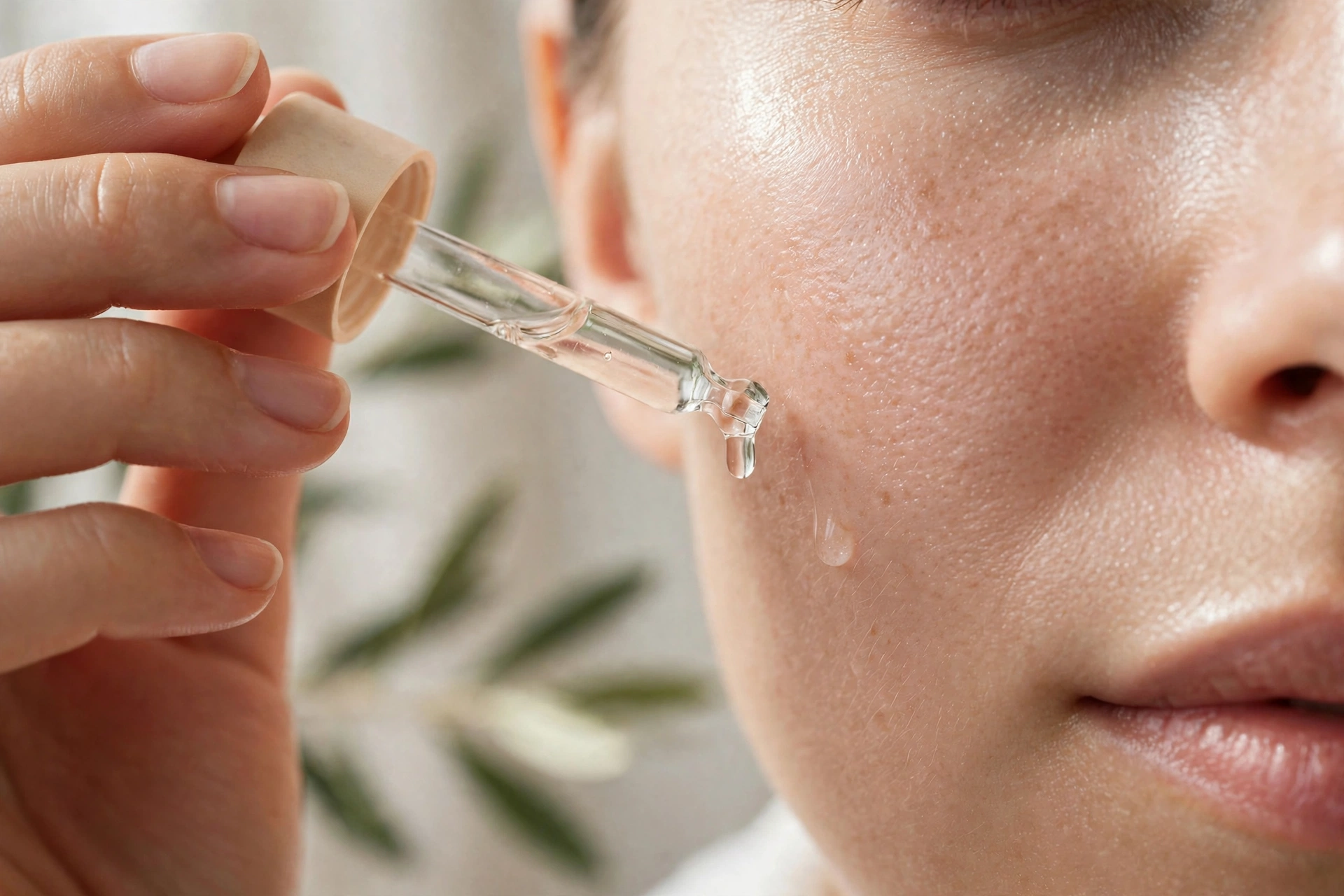
- Apply to clean, dry skin. After cleansing and toning, apply a pea-sized amount to the face — or dot it directly onto areas of discoloration — before heavier serums and moisturizer.
- Moisturize well after. Always follow with a rich moisturizer. This counters the dryness and flaking that are the most common side effects.
- Patch test first. Apply to a small, discreet area (along the jawline or behind the ear) and wait 24 to 48 hours. No irritation, discoloration, or itchiness means you can most likely use it safely on your full face.
- Wear sunscreen every morning. Non-negotiable. UV exposure drives melanin production, and without daily SPF, new pigmentation forms faster than tranexamic acid can address it.
- Give it at least a month. Many people notice visible improvement as early as two weeks, but it can take a month or longer to see the full extent of results. Consistency beats concentration.
Good Pairings — and What to Avoid
Tranexamic acid combines well with several brightening and calming ingredients. Niacinamide and vitamin C are the classic partners — dermatologists specifically highlight these combinations for improved tone results. It can also be used alongside retinoids; in fact, it may maximize their skin-enhancing benefits, including helping fade sunspots and age spots.
Combinations to approach with care: other acids. Using tranexamic acid alongside kojic acid or phytic acid may improve results, but stacking multiple acids raises the risk of dryness and irritation. Check with a dermatologist before combining several acids or strong actives in one routine. As always, introduce new pairings one at a time so you can tell what your skin likes.
Frequently Asked Questions
How long does tranexamic acid take to work?
Many people notice visible improvement in as little as two weeks, but it can take a month or longer to see the full extent of results. Stubborn pigmentation like melasma may need twelve weeks or more of consistent use. Patience and sunscreen matter more than product strength.
Can tranexamic acid irritate skin?
It is considered gentle and suitable for most skin types, but mild dryness, irritation, or flaking can occur when you first start. These usually fade as your skin adjusts. If they persist beyond a couple of weeks — or you develop itching, swelling, or hives — stop using it and consult a dermatologist.
Is tranexamic acid good for melasma?
It is one of the more promising options for melasma. A 2019 study found 12 weeks of topical use reduced melasma severity by 27 percent — comparable to hydroquinone, but with fewer side effects and higher user satisfaction. It will not erase melasma overnight, and maintenance with sunscreen is essential to prevent recurrence.
Can I use tranexamic acid every day?
Yes, once your skin has adjusted. Start with twice per week, then build to every other night or every night as tolerated. Many people settle into nightly use with a good moisturizer on top.
Does tranexamic acid bleach normal skin?
No. It interferes with excess melanin production in discolored areas rather than bleaching pigment outright, so it targets dark spots and patches without lightening your natural skin tone.
Is it safe to use while pregnant?
Topical tranexamic acid carries a lower risk of side effects than oral or injected forms, but if you are pregnant, it is always best to talk with your care team before trying any new skincare product, including over-the-counter ones.
The Bottom Line
Tranexamic acid is a quiet overachiever for uneven tone: it tackles melasma, post-acne marks, and sun-related discoloration by interrupting excess melanin production, supports the skin barrier along the way, and stays gentle enough for most skin types. It demands consistency, moisturizer, and daily sunscreen to deliver — but for stubborn dark spots that resist gentler brighteners, it earns its growing reputation.
As with any active ingredient, patch-test new products before full-face use and consult a dermatologist if you have persistent concerns.