Retinol may be the most famous anti-aging ingredient in skincare, but it is not the only route to smoother, younger-looking skin. For everyone who finds retinol too harsh, too drying, or simply too high-maintenance, there is a plant-based contender worth knowing: bakuchiol. The bakuchiol benefits for skin read like a retinol wishlist — fewer visible fine lines, more even tone, smoother texture — with far less irritation along the way.
That gentleness is exactly why bakuchiol has moved from niche botanical to mainstream skincare shelves. It offers a way to build an effective routine without the peeling, redness, and sun-sensitivity dance that retinoids demand. This guide explains what bakuchiol is, the key bakuchiol benefits for skin, how it compares with retinol, and how to use it correctly for the best results.
What Is Bakuchiol?
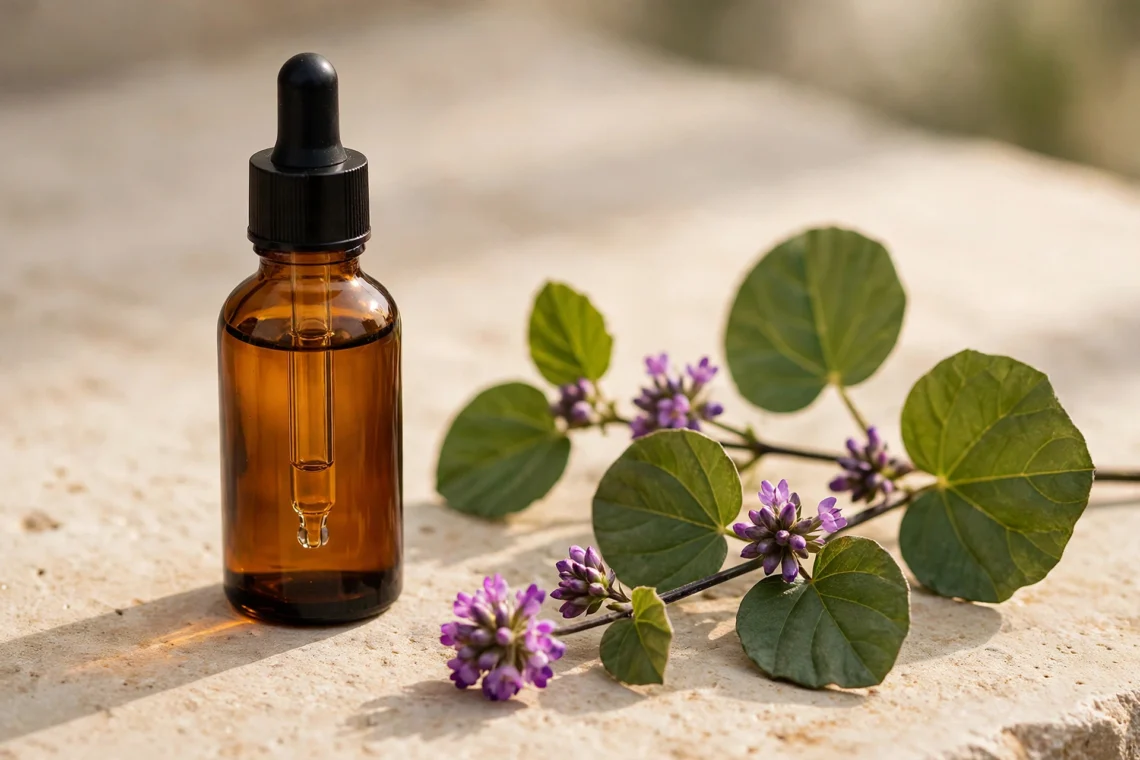
Bakuchiol is a plant-derived compound found in the seeds and leaves of the babchi plant (Psoralea corylifolia), which has a long history of use in traditional Indian and Chinese medicine. Despite the “natural retinol alternative” label it often gets, bakuchiol is not a vitamin A derivative at all — it is chemically unrelated to retinoids.
The nickname stuck because bakuchiol appears to work through similar pathways to retinol: it speeds up skin cell turnover and supports collagen production, the two mechanisms behind retinol’s reputation. So you get retinol-like effects — smoother texture, firmer-looking skin, more even tone — from a completely different molecule that the skin tends to tolerate far better. Health’s overview of bakuchiol covers the research behind it, how to use it, and its precautions in detail source.
Key Bakuchiol Benefits for Skin
1. Smooths the Look of Fine Lines and Wrinkles
The headline benefit of bakuchiol is anti-aging without the drama. By stimulating collagen production — including collagen types I, III, and IV, the proteins that give skin its structure and flexibility — bakuchiol helps improve skin firmness and elasticity over time. As collagen levels rise, fine lines look softer and skin appears plumper.
Research is still early compared with retinol’s decades of data, but a 12-week study found that bakuchiol applied twice daily significantly improved fine lines and wrinkles, along with elasticity, firmness, and sun damage. Another 12-week comparison study found that a 0.5% bakuchiol cream reduced wrinkles and hyperpigmentation about as effectively as a 0.5% retinol cream — while the retinol users reported more facial stinging and scaling. Visible change is gradual; plan on at least eight to twelve weeks of consistent use before judging results.
2. Far Gentler Than Retinol
This is bakuchiol’s real superpower. Retinoids are notorious for side effects — peeling, dryness, redness, and burning, especially on dry or sensitive skin. Bakuchiol does not typically cause these reactions, and it may even help the skin retain moisture rather than stripping it.
That tolerance changes who can use an “anti-aging” active. People with sensitive, reactive, dry, or rosacea-prone skin who could never get past retinol’s adjustment period often tolerate bakuchiol from day one. And because it does not usually trigger the inflammation that retinoids can, it is a friendlier option for deeper skin tones, where retinoid-induced irritation can itself trigger new hyperpigmentation. If you want to compare approaches before switching, see our guide to the best retinol for beginners for the classic path done gently.
3. Fades Dark Spots and Evens Tone
Bakuchiol also appears to inhibit tyrosinase, the enzyme that drives melanin production — the same enzyme targeted by many brightening ingredients. By dialing down excess pigment production, it helps fade dark spots and post-inflammatory marks while improving overall radiance.
This matters because many people need tone correction and anti-aging in one step. Instead of layering a retinoid plus a brightening serum (and doubling the irritation risk), bakuchiol addresses both concerns in a single, usually well-tolerated product. The evidence for this benefit comes partly from the same clinical studies that showed hyperpigmentation improvements alongside wrinkle reduction.
4. Helps Acne-Prone Skin
Like retinol, bakuchiol increases cell turnover, which helps keep pores clear and prevents the clogged follicles that lead to breakouts. It also has antibacterial and anti-inflammatory properties, addressing acne from more than one angle at once.
The research here is limited but encouraging: one small 2021 study found that applying a 0.5% bakuchiol cream twice daily for 12 weeks helped reduce mild-to-moderate acne (the study included only 13 people, so treat it as early evidence, not proof). Bakuchiol also helped improve acne-related post-inflammatory hyperpigmentation — the dark spots breakouts leave behind. Notably, it does this without the “purging” period that retinoids can cause, when breakouts temporarily worsen before improving.
5. Can Be Used Morning and Night
Retinol belongs in the evening routine: sunlight breaks it down and it increases sun sensitivity. Bakuchiol is more photostable — research suggests it holds up better under UV light than retinoids — which means it can be used both morning and night if your skin likes it.
This flexibility is practical. It lets you build anti-aging benefits into your morning routine under sunscreen, or use it twice daily for consistency. Even so, sunscreen remains non-negotiable: bakuchiol may still increase sun sensitivity somewhat, and daily SPF is what protects any progress you make on fine lines and dark spots.
6. Antioxidant Protection
Bakuchiol is an antioxidant, meaning it helps protect skin cells from damage caused by environmental stressors like UV radiation and pollution. These stressors generate unstable molecules that break down collagen and accelerate visible aging.
Antioxidant action also appears to help already-damaged skin repair itself, according to laboratory research. So bakuchiol is doing double duty: stimulating renewal through cell turnover and collagen support, while defending against the daily damage that ages skin in the first place.
Bakuchiol vs. Retinol: Key Differences
Both ingredients improve fine lines, texture, and tone by boosting cell turnover and collagen. The differences come down to strength of evidence, tolerance, and convenience.
Retinol has vastly more research behind it — decades of studies versus bakuchiol’s handful — and dermatologists consider it the proven option for anti-aging. If maximum evidence is your priority, retinol wins. But retinol’s side effects are real: peeling, dryness, redness, and increased sun sensitivity are common, especially at first, and it is strictly an evening product.
Bakuchiol offers similar-looking benefits with dramatically better tolerance, morning-and-night flexibility, and no typical purging phase. The trade-off is a thinner evidence base and open questions about whether it truly matches retinol long-term. Many people resolve the debate pragmatically: start with bakuchiol if your skin is sensitive or you want simplicity, and consider retinol later if you want the heaviest research backing.
How to Use Bakuchiol in Your Routine
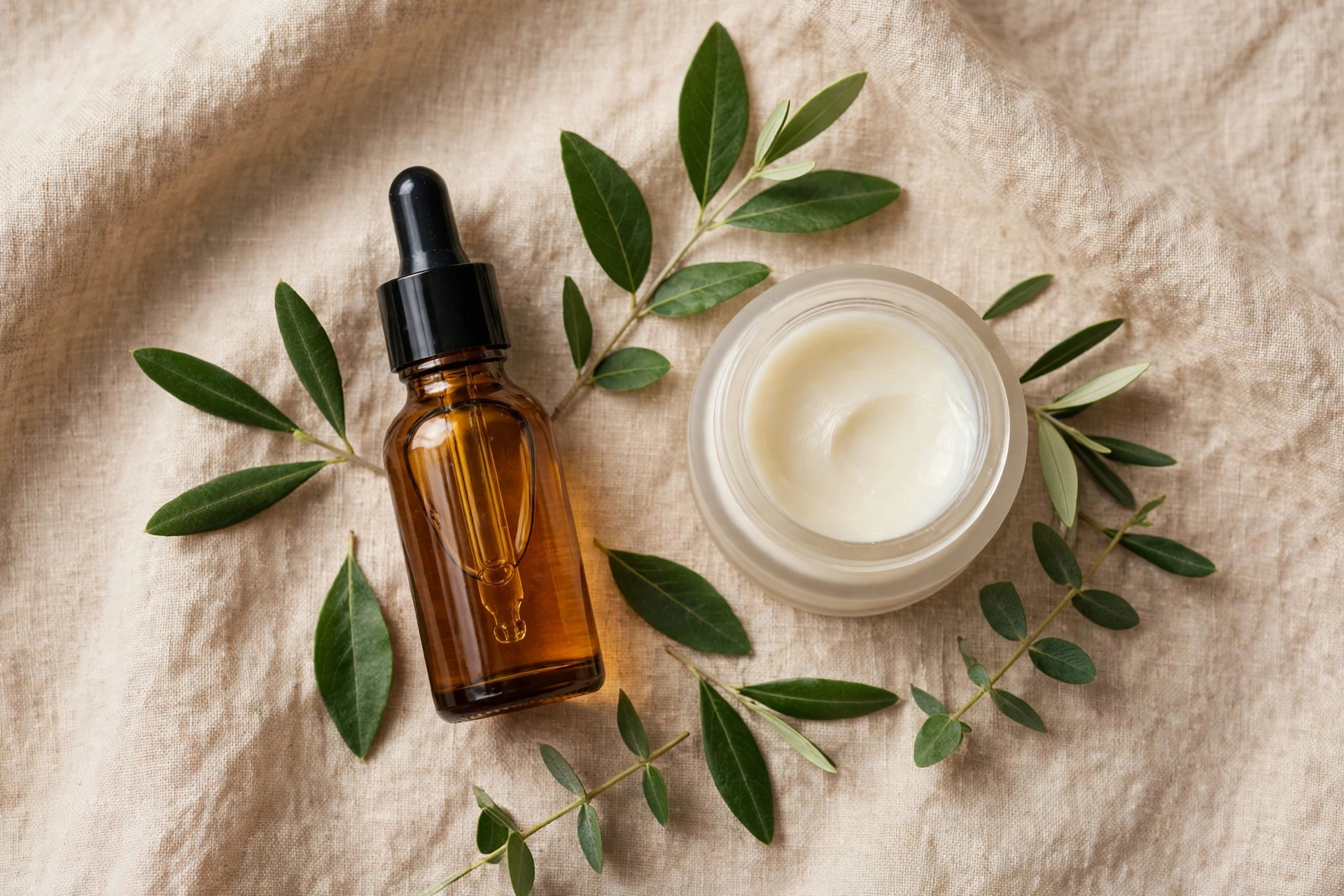
- Choose the right format. Serums with bakuchiol as the main active ingredient are the most popular choice. Creams and oils work too — oils go on after moisturizer, while serums go on before.
- Apply to clean skin. After cleansing (and toning, if you use one), apply a pea-sized amount of serum to the face, neck, and chest, following the product’s instructions.
- Start once daily if your skin is sensitive. Although bakuchiol is gentle, beginning with once-daily use lets you confirm your skin agrees with the formula before going twice daily.
- Moisturize after. Follow with your regular moisturizer to lock in hydration and keep the barrier comfortable.
- Use SPF every morning. If bakuchiol is in your daytime routine, always finish with sunscreen of SPF 30 or higher. Sun protection preserves the tone and texture improvements you are working toward.
- Give it time. Visible improvements in fine lines and tone typically need eight to twelve weeks of consistent use. Switching products every two weeks guarantees you never learn what works.
- Be patient with pregnancy decisions. Bakuchiol is not a vitamin A derivative like retinoids, but there has been no research including pregnant people, so its safety in pregnancy cannot be confirmed. Talk to your doctor before using it if you are pregnant or breastfeeding.
What Pairs Well With Bakuchiol
Bakuchiol is a flexible teammate. It layers well with hydrating ingredients like hyaluronic acid and glycerin, calming ingredients like niacinamide, and antioxidants like vitamin C. A common simple routine is a bakuchiol serum followed by a ceramide-rich moisturizer — treatment plus barrier support.
Because bakuchiol is not an exfoliating acid, you can also combine it with AHAs or BHAs in the same routine if your skin tolerates them, though introducing one active at a time is always the safer approach. If you are already using retinol, do not layer the two at full strength in the same session — some people alternate them on different nights, or use bakuchiol in the morning and retinol at night, but check with a dermatologist if you are unsure.
Frequently Asked Questions
How long does bakuchiol take to work?
Plan on eight to twelve weeks of consistent use before judging results. Clinical studies showing improvements in fine lines, wrinkles, and hyperpigmentation ran for 12 weeks, and tone changes are gradual by nature. Consistency matters more than product-hopping.
Can bakuchiol irritate skin?
It is much gentler than retinol, but no active is irritation-proof. In rare cases, initial use can cause redness or peeling in very sensitive skin. If that happens, scale back to once daily or every other day. Persistent irritation warrants a dermatologist visit.
Is bakuchiol really as effective as retinol?
One 12-week study found 0.5% bakuchiol reduced wrinkles and hyperpigmentation about as effectively as 0.5% retinol, with less stinging and scaling. However, retinol has far more research overall, so dermatologists still consider it the proven option. Think of bakuchiol as the gentler alternative with promising early evidence, not a proven equal.
Can I use bakuchiol every day?
Yes — many people use it twice daily, morning and night, since it is more stable in sunlight than retinol. If your skin is sensitive, start once daily and increase as tolerated. Always pair daytime use with sunscreen.
Is bakuchiol safe during pregnancy?
There is no research confirming its safety for pregnant people, since no studies have included them. Although bakuchiol is not a vitamin A derivative, the absence of data means you should talk to your doctor before using it during pregnancy or while breastfeeding rather than deciding on your own.
Can bakuchiol replace my moisturizer?
No. A bakuchiol serum is a treatment step, not a moisturizer. Unless you are using a bakuchiol moisturizing cream specifically designed to replace your usual moisturizer, always follow your serum with a proper moisturizer.
The Bottom Line
Bakuchiol delivers the benefits people want from retinol — smoother texture, softer-looking fine lines, more even tone, support for acne-prone skin — through a plant-derived compound that most skin types tolerate easily. It is not as proven as retinol, and it will not work overnight, but for sensitive skin, simple routines, or anyone who has failed the retinol adjustment period, it is one of the most appealing actives in modern skincare.
As with any active ingredient, patch-test new products before full-face use and consult a dermatologist if you have persistent concerns.